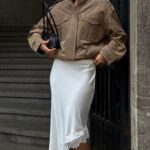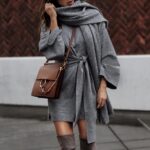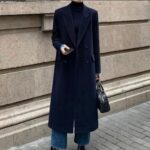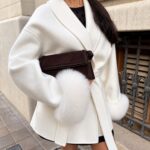
The coat outfits here range from a cropped puffer with high-waisted jeans to an ankle-length wool overcoat that needs boots with enough lift to keep the hem from dragging.
What picks one for you is proportion: your height and the length of your stride decide whether a back vent splits cleanly or splits your seams instead.
A back vent that actually lets you take a full stride is the kind of concrete test that separates a coat you reach for from one that hangs like a regret.
1. Trench Coat

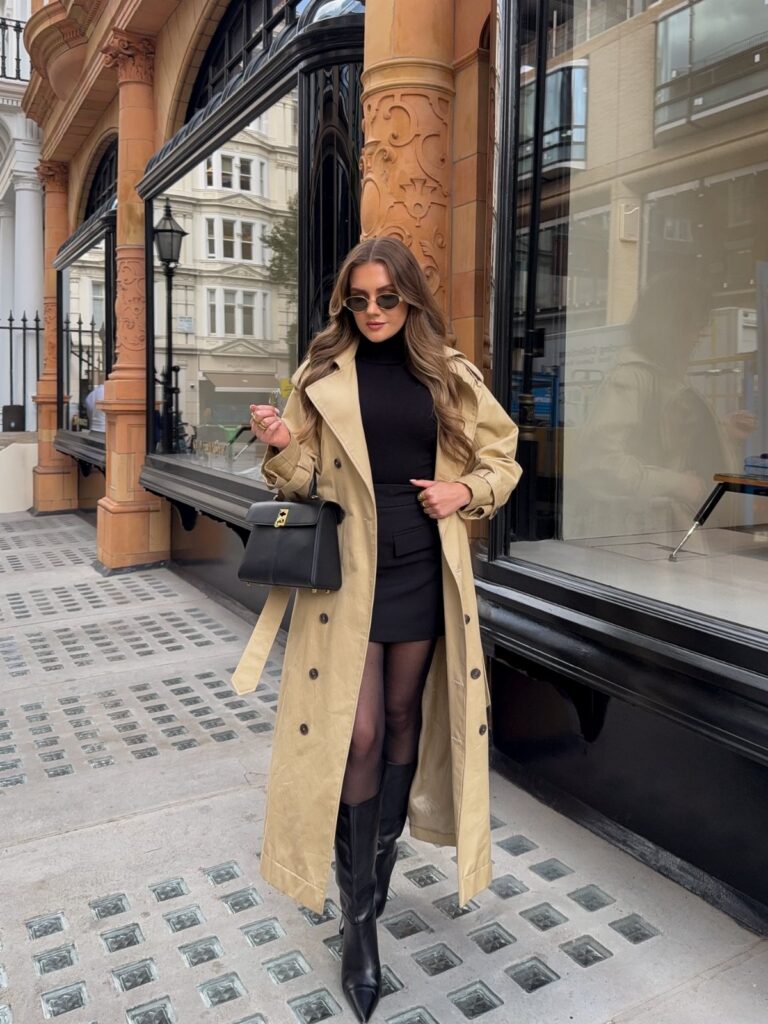
A trench coat is the one outerwear piece that makes a black turtleneck and mini skirt feel intentional rather than last-minute.
The water-resistant cotton gabardine matters more than the color; beige shows every splash, while navy or olive forgives city grime. I wear mine open on mild days and belted when the wind picks up.
The length changes what it can do. At knee-length, it works over dresses and cropped pants; at mid-calf, it needs heels or boots with enough lift to keep the hem from dragging.
Check your stride: a back vent that doesn’t split wide enough will split your seams instead.
For spring and fall, this is the coat that handles drizzle without looking like you’re dressed for a hike.
2. Wool Overcoat

The weight of the wool decides whether this coat earns its keep or hangs in your closet like a regret.
A lighter weave works for fall commutes; the heavier cloth that holds its shape in an ankle-length cut is what gets you through January.
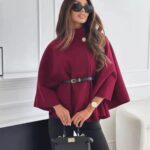
I learned that difference after buying a beautiful red coat that turned out to be all drape and no defense.
Ankle-length demands attention to proportion. With a turtleneck dress, the column of color underneath needs to read as one line; break it with a contrasting belt and the coat becomes a tent.
Black boots that match the dress extend the silhouette, while a small bag kept at hip level anchors the eye.
This is the coat for occasions where puffer jackets would whisper that you gave up.
3. Double-Breasted Coat

The extra fabric of a double-breasted front can swallow a smaller frame whole, or it can give a rectangular body the waist definition it lacks.
The difference is in the button stance: a higher closure sits at the natural waist and creates shape, while a lower one drops the visual weight to the hips.
Cream reads as fresh in daylight and unforgiving under artificial light; I would pick it for morning meetings rather than evening events. Wearing it open works when a white layer underneath provides the same vertical line that fastening would.
For business attire, this cut signals authority without trying for it.
Pair it with a pencil skirt and knee-high boots when the dress code is strict, or leave it open over a column of color when you want the structure without the formality.
4. Puffer Jacket

The shine on these jackets is doing more work than the color. A matte puffer recedes; a glossy one becomes the outfit’s statement, which means everything underneath should be quiet.
Turquoise works because black and white accessories contain it; a shiny puffer in a second bright color would look like costume.
Cropped cuts work with high-waisted jeans and boots. Longer ones need straight-leg pants to balance the volume, or you end up shaped like a bell.
The fill matters less than the baffle construction: wider channels flatten and look cheaper, while narrower quilting keeps the loft even after seasons of compression.
This is the coat for errands, dog walks, and any day when the wind chill starts with a minus. It trades elegance for the freedom to move without shivering.
5. Faux Fur Coat

Texture this plush demands to be the single focal point. Dark brown pairs with matching boots because both share a depth that reads as intentional rather than matched.
I would not add a third brown; the white head covering provides the contrast that keeps the palette from going muddy.
The pile length changes the occasion. Shorter faux fur reads as daytime luxury; longer shag tips into costume unless the cut is severe and the rest of the outfit is restrained.
This coat works for evening because the silhouette is straight, not swingy.
For dressing up, this replaces jewelry rather than competing with it. Small earrings, no necklace, and a clutch instead of a shoulder bag keep the line clean.
The glamour trades away practicality: rain mats the pile, and dry cleaning runs higher than wool.
6. Bomber Jacket

An oversized bomber over a long dress shouldn’t work, but the proportions explain why it does.
The jacket ends at the hip, the dress continues to the ankle, and the eye reads the difference as deliberate layering rather than a mistake in length. The ribbed hem cinches the volume just enough.
Leather changes the bomber’s personality from athletic to urban. A nylon version with a t-shirt and jeans is weekend casual; this green leather with a black turtleneck and skirt is how you wear it to dinner.
The ribbed cuffs and waistband are the signature, but they also trap heat; I unzip mine the moment I step indoors.
For casual outings, this is the middle ground between a blazer and a cardigan. It offers structure without stiffness, and the looseness means you can actually raise your arms.
7. Leather Jacket

A leather jacket works because it carries attitude without asking permission. An oversized black biker cut drapes like a cardigan but reads like a decision: you chose to look sharp today.
Sheer tights and tall boots underneath keep the proportions long; swap in jeans and a thin tee for the same effect on a Saturday. The jacket does the heavy lifting, so everything else stays simple.
Silk underneath works for evening, though I reach for cotton or a slub-knit when I want the jacket to stay center stage.
Spring and fall are its seasons; the weight is wrong for deep winter and the coverage is too much for July. It suits anyone who wants one piece that signals intent without looking like they tried.
Real leather needs conditioning, and even good faux versions show wear at the creases.
8. Military Coat

The belted waist keeps it from looking borrowed; the thigh-high boots extend the line so the structure doesn’t cut you in half.
Combat boots underneath give a harder edge, though beige boots soften the military reference into something you could wear to brunch. That tension is the point: the coat borrows authority, then you decide how much to push back.
It works best on shoulders that can carry the detail. Petite frames get swallowed by the hardware; if that is you, look for the same cut with matte buttons and no epaulettes.
The belt matters more than the trim anyway.
Dry clean only, and the brass tarnishes if you store it in plastic. Worth the bother if you wear it twice a week through November and March.
9. Shawl Collar Coat

A shawl collar folds like a built-in scarf, which means the coat does the accessorizing for you. The cream version above the text drapes wide and soft; the patch pockets sit low enough that your hands rest easy.
Evening is where this cut belongs. Over a white turtleneck and black trousers it reads cocktail-ready; swap the turtleneck for a silk camisole and the same coat carries you to a seated dinner.
Heels finish the look, though I have worn mine with loafers when the event started in daylight.
The collar adds bulk at the neckline, so it suits longer necks and narrower shoulders best. A short neck disappears; a broad frame turns the drape into extra width.
Check that in a mirror with the coat open, since that is how you will wear it indoors.
Special occasions only, honestly. The elegance looks costume on a Tuesday grocery run.
Choosing the Right Coat
A coat earns its place by matching the weather it faces, not just the outfit underneath. I would not buy a single coat and expect it to carry me from October through March.
Style preferences matter less than you think until you test them against temperature. The bomber jacket you love for dinner out loses its charm when the wind chill drops below zero.
The faux fur that reads elegant at a cocktail party mats in rain and runs up dry cleaning bills. List the months you actually need outerwear where you live, then match the weight to the longest stretch.
Styling Tips for Coats
The coat changes the outfit’s level of intent, not just its warmth. The same black turtleneck underneath becomes casual, business, or evening depending on what covers it.
Proportion does the work. Ankle-length wool needs boots with lift or the hem drags; cropped puffers balance against high-waisted jeans.
Check your stride in the mirror before you buy.
Color behaves differently under artificial light. Navy forgives city grime where beige broadcasts every splash.
Materials for Coats
Wool carries the most weight in winter.
Cashmere adds softness but loses shape faster than wool; it suits coats you handle gently rather than daily commutes.
Breathability matters as much as warmth. A coat that traps sweat becomes cold the moment you stop moving.
Check the lining: cotton and viscose let air pass; polyester shells without venting do not.
Functionality of Coats
Insulation means nothing if water gets through. A trench coat’s cotton gabardine handles drizzle; a wool overcoat darkens and smells when soaked.
Breathability shows up in the lining and the vents. A coat’s lining matters more than the tag suggests.
Cotton and viscose let your skin breathe; sealed polyester traps heat and sweat against you. A back vent that splits wide enough keeps you from overheating on the train; one that binds defeats the purpose.
Water resistance runs on a spectrum, not a switch. Treated cotton sheds light rain; synthetic shells with sealed seams handle downpours.
The puffer jacket gives up some polish for the chance to move without freezing. Decide which half of that bargain matters more before you hand over your money.
Frequently Asked Questions
What are the coat trends for 2026?
Classic styles like the pea coat, overcoat, and trench coat still anchor a wardrobe, but puffer coats, double-breasted cuts, and faux fur are the newer directions worth adding.
The trench coat in navy or olive handles city wear better than beige; puffers with narrow quilting look more expensive than wide-channel versions.
Wool weight and baffle construction matter more than color if you want a coat that lasts past one season.
What are some trendy styles for women to wear with a coat?
A trench coat works over dresses, cropped pants, or jeans with boots or sneakers. A wool overcoat needs boots and a column of color underneath to keep the line long.
For the puffer, straight-leg pants balance the volume; with a bomber, high-waisted jeans or a long dress underneath keep the proportions deliberate. The coat type sets the rules more than the trend does.
What style of coat is most flattering?
A double-breasted coat flatters a rectangular body when the buttons hit high at the natural waist; military detailing demands shoulders that can handle it or the whole coat wears you.
Petite frames do better with a military cut that strips back to matte buttons and loses the epaulettes. A shawl collar favors longer necks and narrower shoulders; on a short neck the drape erases what little line you have.
How should a dress coat fit?
The fit should sit close enough to show shape, loose enough to move and layer underneath.
For a wool overcoat, ankle-length needs heels or boots with lift so the hem does not drag; a back vent on a trench coat should split wide enough for your full stride or the seams will stress.
The belt on a double-breasted or military coat matters more than the trim: it keeps the shape from going boxy.
Can I wear a dress coat casually?
Yes, though the coat sets the ceiling more than the floor. A trench coat over jeans and a t-shirt works because the cut is inherently structured; a wool overcoat with the same would look like you are trying too hard.
The bomber and the leather jacket are the better bridge pieces: they read intentional with a dress but do not demand one.
What materials are best for dress coats?
Wool sets the standard for warmth and structure; the exact weight is what separates a coat that earns its keep from one that hangs like a mistake.
Water-resistant cotton gabardine is what makes a trench coat functional in drizzle rather than just a style piece.
Faux fur and leather are statement materials that trade practicality for presence: rain mats faux fur pile, and leather needs conditioning to keep the creases from cracking.