These sixteen ideas range from a puffer coat you can throw on in seconds to a winter wedding guest outfit that still feels warm, and the one that works for you depends on whether your winter days lean more toward iced sidewalks or heated offices.
A grey turtleneck layered under a dark buttoned jacket with brown trousers shows how the list handles warmth without the bulk that makes you stop reaching for a coat.
1. Casual Winter Outfits

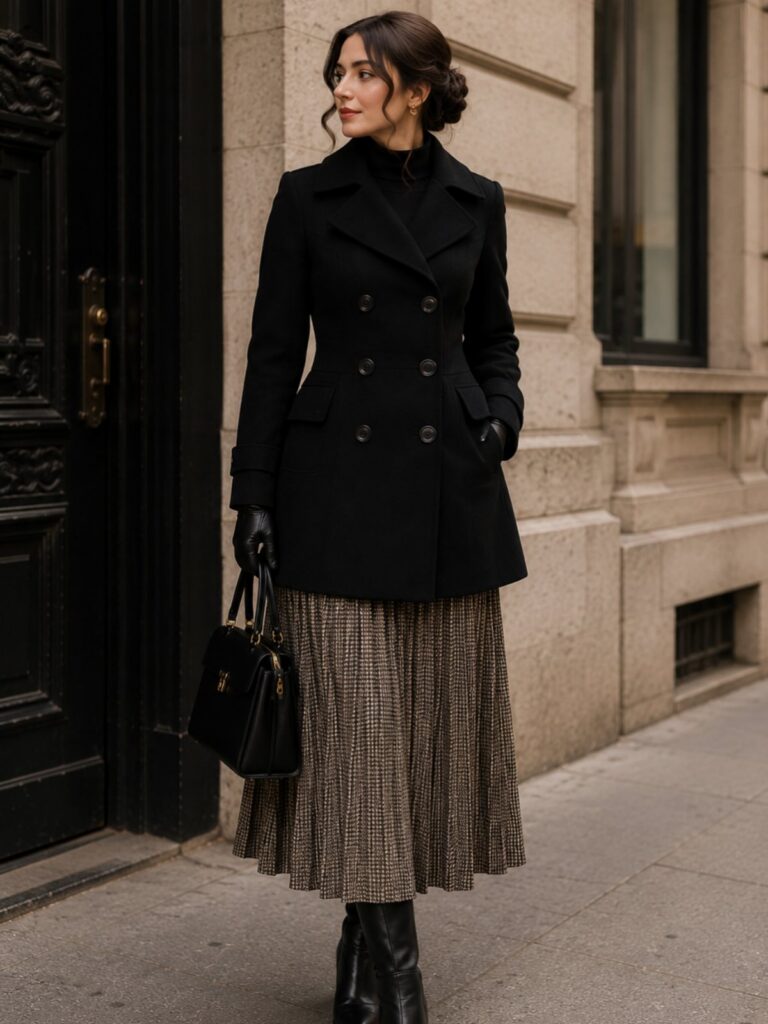
A tailored black pea coat over a patterned pleated midi skirt hits the middle ground between looking put-together and actually getting through a cold day.
Thermal-lined slim jeans work better than regular denim once the temperature drops, and the lining adds warmth without the bunching you get from long underwear underneath.
Soft knit sweaters in camel or gray pair with almost any coat you own; add leather gloves and a beanie in a brighter color if the rest of the outfit reads too flat.
Ankle boots with some tread keep you upright on iced sidewalks, and a structured bag pulls the whole thing toward intentional rather than thrown-on.
For a more relaxed version, swap the skirt for straight jeans and throw a baseball cap on after the beanie comes off indoors.
2. Oversized Sweaters

An olive turtleneck with volume in the sleeves but a close fit at the hips gives you the balance that keeps you from looking swallowed.
I buy mine one size up, never two; past that point the shoulder seam drops too low and the whole thing starts to read as a dress you forgot to belt.
Fitted bottoms save the silhouette. Dark trousers, slim jeans, or leggings all work; the sweater does the heavy lifting on texture and presence.
Tuck just the front hem if the sweater is long enough to shorten your legs, or leave it loose over high-waisted pants.
A turtleneck adds neck warmth that replaces a scarf in milder weather, though on truly bitter days I layer a thin thermal underneath rather than adding a bulkier knit on top.
3. Puffer Coats

The fur-trimmed hood on this grey version is doing more than decoration; it blocks wind across your face when the hood is actually up.
Puffers with that kind of trim read as more finished than sportier nylon versions, which matters if you are wearing the same coat to work and to weekend errands.
Length changes what you can wear under it. A coat that hits mid-thigh covers the gap between a cropped jacket and your pants waist; full-length puffers do that job better but restrict movement and tend to look better open.
I keep mine closed with the belt cinched when I am standing outside, then open it once I am indoors so I do not overheat and sweat through the knit layers underneath.
You can take a puffer coat in a casual direction with loungewear pants, or swap them for wool trousers and you have the same coat for a dinner.
4. Knee-high Boots

Beige suede over-the-knee boots with a heel, worn with a mini skirt and turtleneck, solve the problem of bare legs in winter by covering most of them.
The suede reads softer and more daytime-appropriate than black leather at the same height, though it stains easier in slush and needs a waterproofing spray before the first wear.
The heel here is tall enough to dress up the outfit but not so thin that you are gripping the sidewalk.
For daily wear I would drop to a lower block heel and keep the same shaft height; you lose some of the leg-lengthening effect but gain the ability to walk any distance without thinking about your feet.
These boots work with anything that ends above the knee: mini skirts, sweater dresses, shorts with tights underneath. With a midi skirt they disappear entirely and you might as well wear ankle boots.
5. Statement Coats

A bright red coat belted at the waist turns the outer layer into the entire outfit. You can wear a white button-down and jeans underneath and still look like you planned something; the coat does that much work.
The risk is wear frequency. A coat this specific in color and cut becomes recognizable fast, so I would not buy it as my only winter coat unless my life involves a lot of events where being seen matters.
For a second or third coat, though, it pays off on the mornings when you have almost no time to get dressed and still need to look sharp.
The belt is structural here, not decorative; it gives shape to the volume and keeps the ankle-length hem from reading as overwhelming.
Striped boots are a choice I would not have made myself, but they prove the coat is doing enough to anchor even busy pairings.
6. Layering Without Bulk

Thin fitted layers, like a grey turtleneck under a dark buttoned jacket, add more warmth than one thick sweater that leaves no room for air to trap.
Start with a thermal base layer that sits close to skin without stretching; merino or a synthetic blend works, cotton does not.
The middle layer, the turtleneck here, should be a knit that skims rather than balloons.
The jacket on top needs enough structure to lie flat over what is beneath; if it pulls at the buttons or rides up at the hem, the layer underneath is too thick.
I check range of motion in the shoulders before I buy any piece meant for layering; a coat that restricts your arms becomes a coat you stop reaching for.
Brown trousers and a tan bag finish this look with tone variation rather than color, which is one way to keep a layered outfit from feeling busy.
7. Winter Wedding Guest Outfits

A winter wedding invitation usually means standing outside between the ceremony and the reception, shivering in something sleeveless. Velvet or satin with sleeves keeps the dress code without leaving your arms bare.
The weight of velvet holds heat; satin needs a closer fit to keep warmth in. Midi lengths work with thermal tights in a matching shade, so you get coverage without the opaque look of everyday hosiery.
A tailored coat or shawl you can drape and remove keeps the line clean. Skip the puffer in the church or during photos; it crushes structure and reads casual.
Dressy boots with a closed toe handle snow better than heels, though I’d check the venue flooring first. Some historic venues with stone floors turn slick fast.
8. Faux Leather Pants

Faux leather blocks wind the way denim never will, which matters more than most people realize until they’re walking an avenue with a straight-line gust.
The surface has a structure that dresses up easily; pair it with an oversized sweater and the contrast does the work. For a night out, a cropped top under a blazer keeps the proportions intentional rather than accidental.
The fabric doesn’t breathe much, so indoor overheating is the tradeoff. I size up if I know I’ll be in and out of heated spaces, or I choose a partial panel at the sides.
Gloss finishes catch light and draw the eye; matte reads more subdued and pairs with more textures. Check the care label closely.
Some faux leather cracks after a season of dry heating, and no amount of conditioning fixes it.
9. Warm Neutral Palettes

Warm neutrals in winter start from camel, chocolate, cream, and the deeper end of olive, then shift with what you already own.
A camel coat over brown knit and cream trousers gives the eye somewhere to rest, and the palette photographs clean against gray skies or snow.
Varying texture keeps the colors from flattening into one wash; ribbed knit against smooth wool against suede boots keeps each piece distinct.
Seasonal accents come in through a burgundy scarf or forest green bag, small enough to swap without rebuilding the outfit. I’d avoid black as the anchor here; it sharpens the contrast too hard and breaks the warmth.
Check your existing closet before buying new. Most people already own two of these three tones and just need the third to pull it together.
10. Accessories for Winter Outfits

A wool or cashmere scarf blocks actual wind, not just adds color. Leather gloves with lining keep fingers functional; unlined leather stiffens in real cold and you end up pulling them off to use your phone anyway.
Structured handbags hold their shape against bulky sleeves, where a slouch bag catches and drags.
A neutral knit hat extends the outfit upward; a bright hat becomes the whole statement, which is fine if that’s the goal.
I’d put money into the scarf and gloves first, since they touch skin directly and cheap versions itch or let wind through the weave. Earmuffs spare you hat hair if your commute involves removing layers indoors.
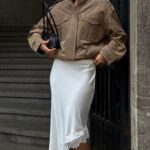
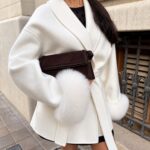
A ruffled glove cuff reads feminine without trying hard; small touches like that keep basics from looking like an afterthought.
11. Wool and Wool Blends

Wool traps heat through the fiber’s natural crimp, which creates air pockets without the bulk of synthetic fill.
A wool blend usually adds nylon or acrylic for stretch and easier care; pure wool shapes better but demands hand washing or dry cleaning. A low wool percentage means you’re mostly buying the look and losing the warmth.
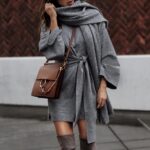
Ribbed knits in wool give structure that smooth jersey doesn’t; a good turtleneck holds its neck upright rather than slouching. A long coat draped over the shoulders works as a layer you can remove indoors without the full undress.
Belt the knit dress if your shape gets lost in the vertical lines. Earmuffs in a matching tone extend the palette without another layer around the neck.
Wool pills with friction, so the underarm and bag-strap areas show wear first; a fabric shaver extends the life by a couple seasons.
12. Fleece

Fleece works for outdoor settings where movement matters more than silhouette.
The fabric is lightweight for its warmth, which is why hikers and campers reach for it, and that same logic applies to a Saturday market walk or a backyard fire pit.
Deep-pile fleece reads more intentional than the flat athletic kind from gym wear.
Color is where fleece gets interesting. Yellow, pink, and blue lift against winter’s gray backdrop in a way that camel and navy don’t.
I’d wear these with dark trousers or jeans to ground them, not with more bright layers competing. Fleece alone on a gusty day cuts straight through; wind finds it fast.
A shell layer over it fixes that, or save fleece for calm, cold days and active use.
Wash inside out to keep the surface from matting, and skip the dryer sheet, which reduces the static that actually helps the pile trap heat.
Layering Tips for Winter
Merino or a synthetic blend pulls sweat away from skin; cotton soaks it up and leaves you chilled.
Two oversized layers worn together tend to leave pockets where cold air collects, and the shape loses its structure.
Choosing Winter Colors
Black, gray, and navy carry most winter outfits and pair with almost anything you already own. These are the colors to invest in for coats, trousers, and boots you’ll wear daily.
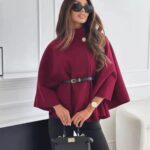
Burgundy, forest green, soft blush, and muted blue all read as winter without the brightness of true spring colors. A single accent piece in a bold shade reads as a choice; more than one starts to look like an accident.
Pair bold accents with neutral tones rather than matching them to each other. A burgundy scarf against a camel coat works; burgundy gloves against a forest green bag fights itself.
Footwear Options
Ankle boots handle everyday wear and pair with jeans, trousers, and most skirt lengths. Look for tread that grips on iced sidewalks; style means less when you’re sliding backward down a hill.
Insulated sneakers serve casual outfits and active days where you’ll be on your feet for hours. They read sportier than boots, so they fit weekend errands better than most workplaces.
Check comfort and traction alongside appearance before buying; a boot you can’t walk in stays in your closet.
Winter Outfit Essentials
A neutral wool coat in camel, gray, or black goes over almost everything and lasts multiple seasons if you brush it and store it with room to breathe.
Two to three sweaters in varied necklines and weights let you rotate without repetition showing.
One dress suitable for layering, in a weight that works with tights and a coat, covers occasions you didn’t plan for.
Versatile boots, one pair in black and ideally a second in brown or tan, anchor the whole wardrobe.
Capsule logic applies here: each piece should work with at least three others you already own, and nothing should need a specific partner to function.
Frequently Asked Questions
What are some trendy winter outfits for 2026?
Oversized coats, matching sets, and bold layering are showing up most right now.
Faux leather pants with a cropped top and oversized blazer work for a night out, and a mini skirt with a chunky knit plus knee-high boots handles the same temperature range with more coverage.
How to dress in the winter as a female?
Start with a thin thermal base layer that sits close to skin without stretching; merino or synthetic works, cotton does not.
Add a middle layer that skims rather than balloons, then a structured coat that lies flat over both without pulling at buttons or riding up at the hem.
Finish with accessories that actually block wind: a wool or cashmere scarf, lined leather gloves, and boots with tread for iced sidewalks.
What to wear instead of jeans in winter?
Thermal-lined slim jeans already upgrade regular denim, but wool trousers or faux leather pants handle cold better than standard jeans.
Faux leather blocks wind in a way denim never will, though it does not breathe much so indoor overheating becomes the tradeoff.