
The ten ideas below run from a single accessory swap to a full outerwear investment, so the deciding factor is how much of your day actually happens outdoors versus moving between heated spaces.
A plush teddy coat carried one writer through three winters before the pile flattened, and that cost-per-wear math is what separates the pieces worth buying from the ones that just photograph well.
1. Faux Fur Coats
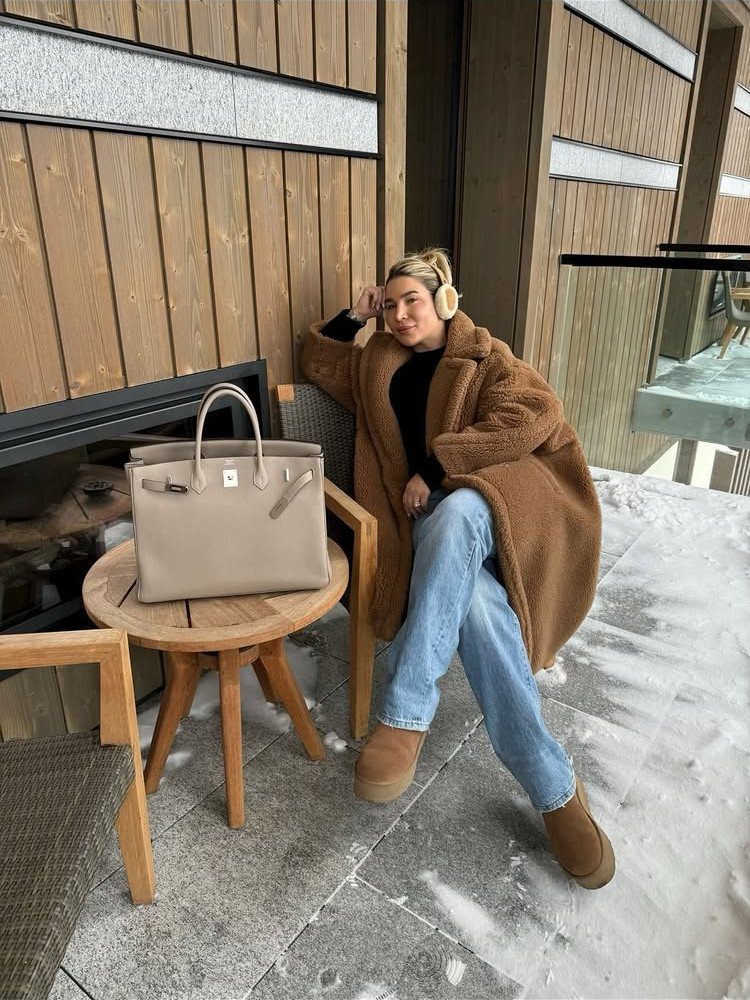
A plush teddy coat in brown reads casual against snow, and that is the point. The texture does the styling so the rest of the outfit can stay simple: jeans, a thin top, maybe earmuffs if the wind picks up.
I would keep the base layer fitted. The coat has volume already, and a bulky sweater underneath fights it.
For extra cold days, a riding boot with a low heel adds polish without the slip risk of a dressier sole.
The investment is in the coat itself. One good faux fur piece carried me through three winters before the pile flattened, and the cost-per-wear still comes out low.
When it comes to winter coat trends, puffer jackets haven’t really gone out of style; perfect for snowy weather, the key thing to remember is to balance your proportions.
2. Knitwear
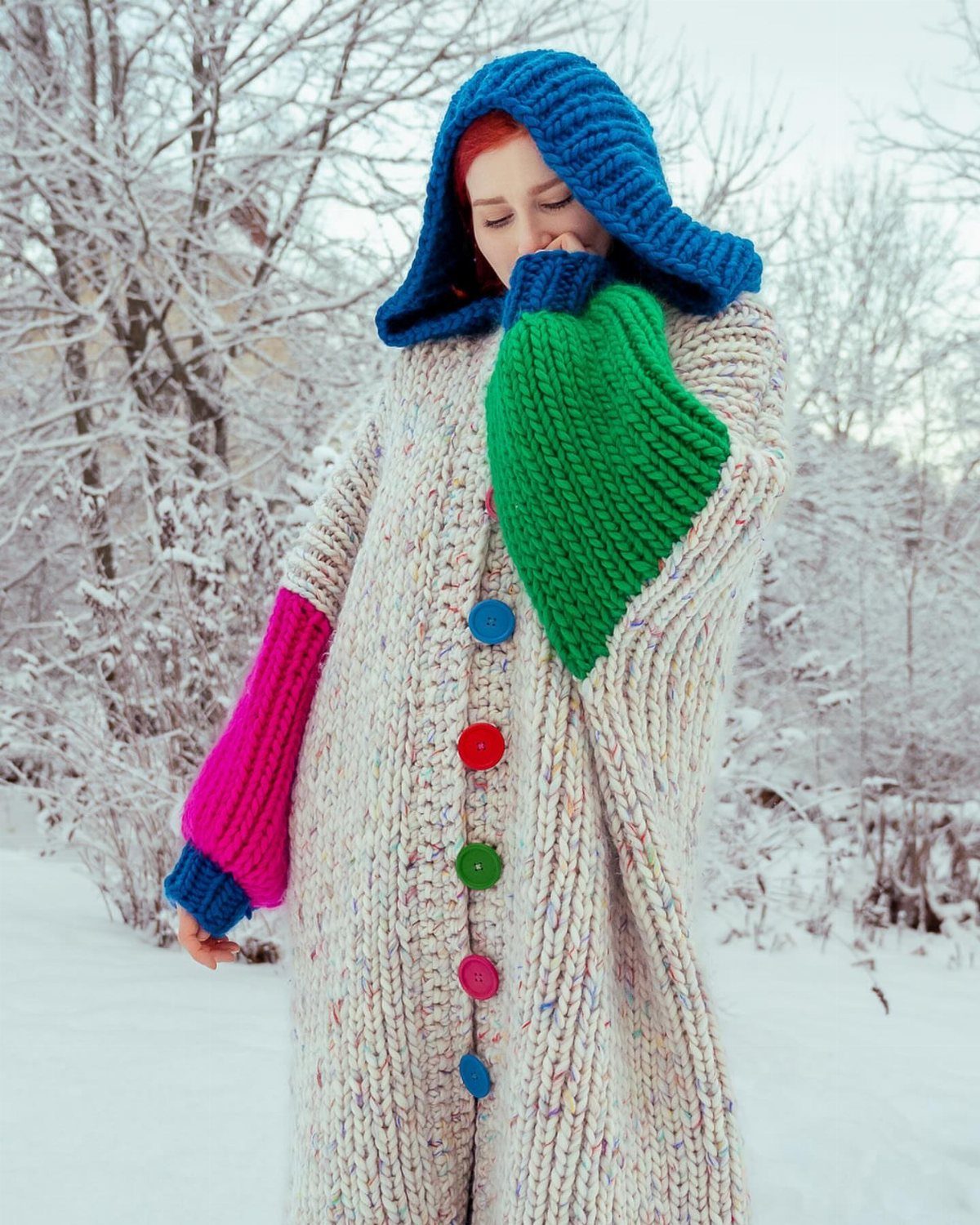
Hand-knitted texture in a long cardigan or hooded piece gives you something a factory finish cannot replicate. The chunkier the gauge, the more it functions as outerwear in dry snow; in wet conditions, it needs a shell over or under.
A knit set of separates travels well. You can re-match the pieces across a trip instead of packing fresh outfits, and the comfort reads as put-together if the fit is close enough.
Size down if you are between sizes; a chunky knit gains dimension fast.
One maker of these pieces suggests high-quality cashmere or wool sweaters as the core, not a drawer of thin acrylic that pills by February.
3. Leather Gloves
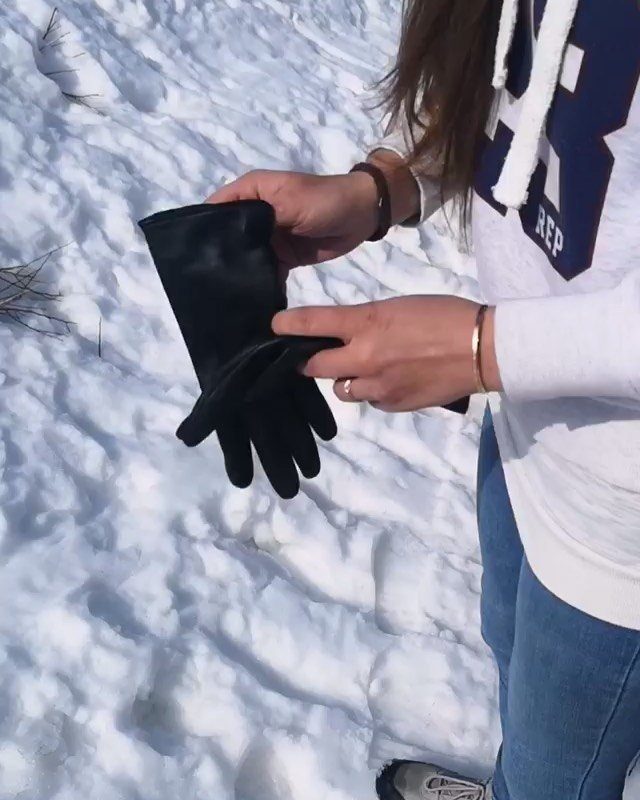
Black leather gloves pull a casual outfit toward intentional faster than almost any other accessory. The material repels light snow and dries without damage if you blot it, not rub.
I keep a pair in my coat pocket and another in my bag. The backup matters because leather gloves are easy to leave behind, and bare hands in snow turn a good day sour in minutes.
For daytime, streamlined sneakers with the gloves read casual and chic together. For evening, swap to a dress bootie.
The gloves stay; they bridge both moods.
4. Wool Blazer
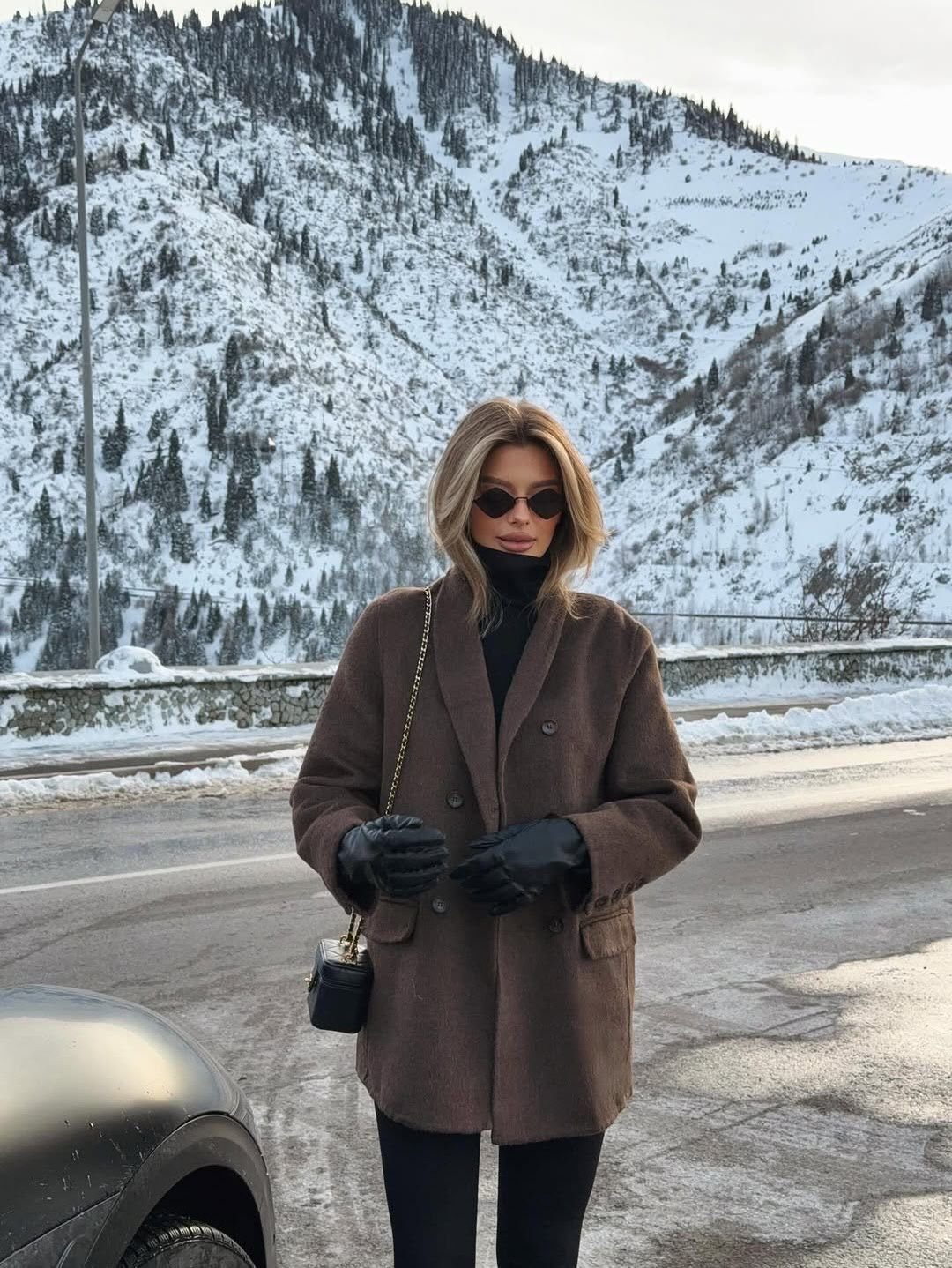
A double-breasted wool blazer in brown or camel gives structure that a puffer cannot. The shorter length suits driving or any indoor stretch where a full coat becomes furniture.
Layering is the skill here. A merino base layer under a cashmere scarf and the blazer handled a cold day for me, though I would not trust it below freezing without a topcoat to pull on.
Size down in blazers cut generously; you need the shell to sit close enough to trap heat.
The look works for a woman whose day moves between heated interiors and short outdoor stretches, not for hours in open snow.
5. Snow Boots

Moon Boots or a similar chunky sole have become the deliberate choice, not the shameful last resort. The platform height keeps cuff hems clear of slush, and the insulation handles real cold.
The sole matters more than the upper. Grippy tread on ice is non-negotiable; a smooth-bottom fashion boot sends you to the emergency room.
I check the outsole pattern in store, pressing my thumb into the rubber to feel the give.
Waterproofing is standard now, but verify the seam sealing. Carry a sleeker shoe to change into indoors if your day includes an office or dinner; the snow boot does not apologize, and that is its limit too.
6. Activewear-inspired Outfits
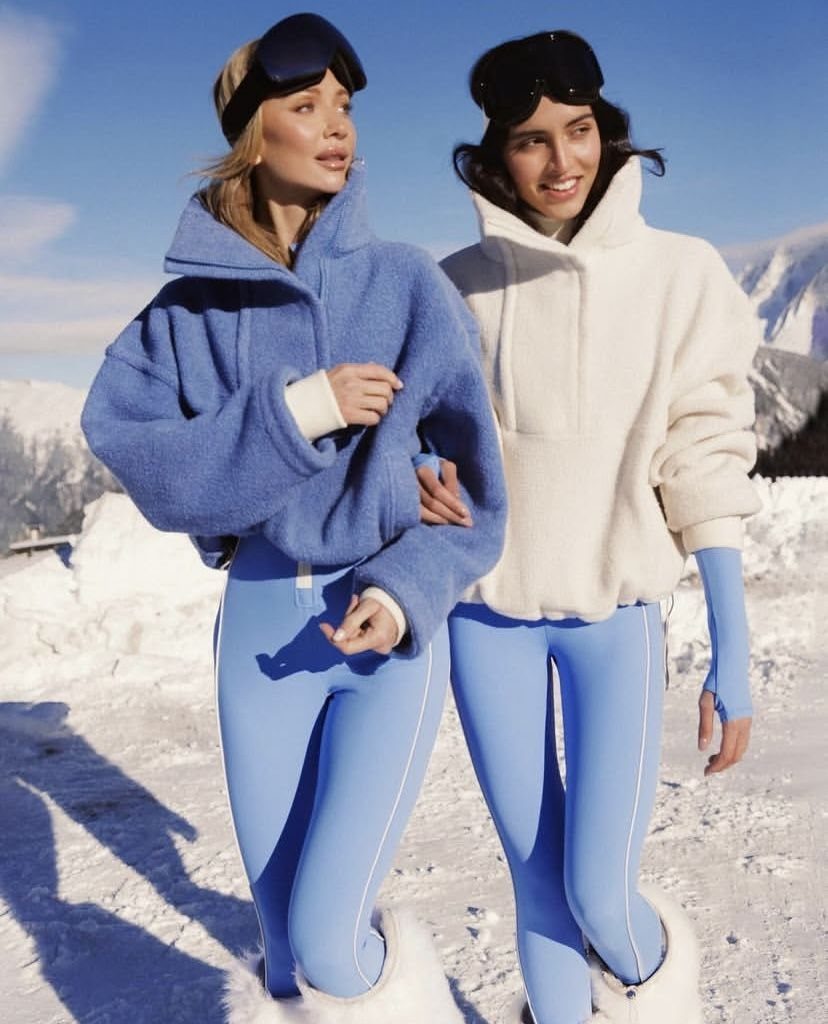
Fleece pullovers with a high collar and tight leggings in matching tones blur the line between slope and street. The look borrows from ski gear without requiring a lift ticket.
Fabric choice determines whether this works or looks like you forgot to change. A jumpsuit or one-piece base simplifies the decision, but separates let you adjust for temperature.
Check that the leggings have a brushed interior; thin athletic nylon in snow is a mistake you make once.
This suits the woman whose snowy day includes movement, not standing still. The style statement holds up for a city walk or a mountain photo, but the function has to be real or the cold calls the bluff.
7. All-Black Snow Gear
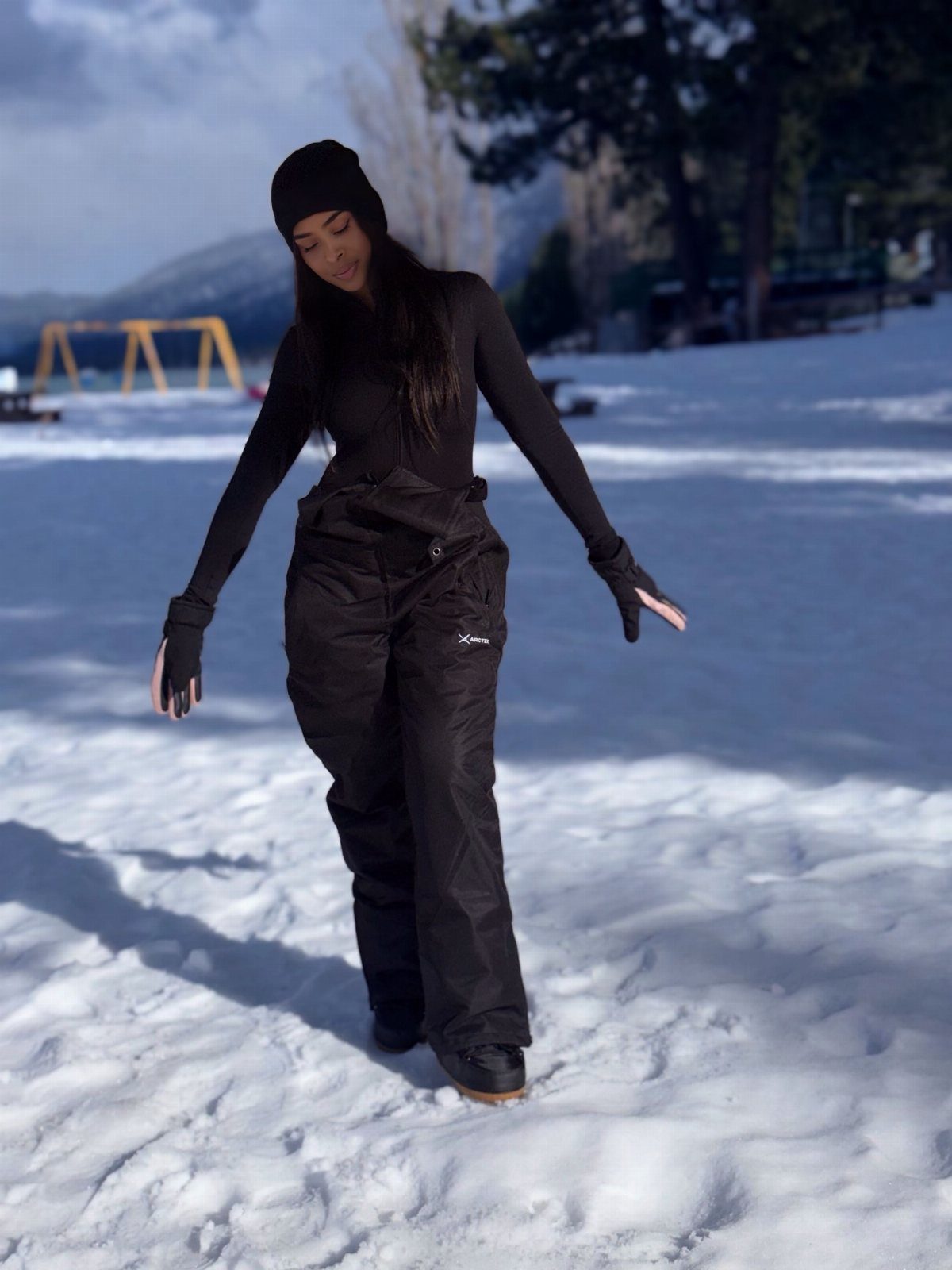
Black snow gear reads as deliberate rather than default when every piece matches. A single tone from beanie to base layer to bib pants lets the silhouette do the work instead of color blocking.
Arctix prints on the bib, but any snow pant with a slim cut through the leg will give the same line. I look for a fitted top underneath so the shape stays human under all that insulation.
This is the set I’d grab for a group ski trip where I want to look pulled together at the lodge without changing.
It trades away the visibility of bright rescue colors, so I skip it for backcountry days and stick to groomed trails or city snow.
8. Monochrome Long Black Coat Outfit
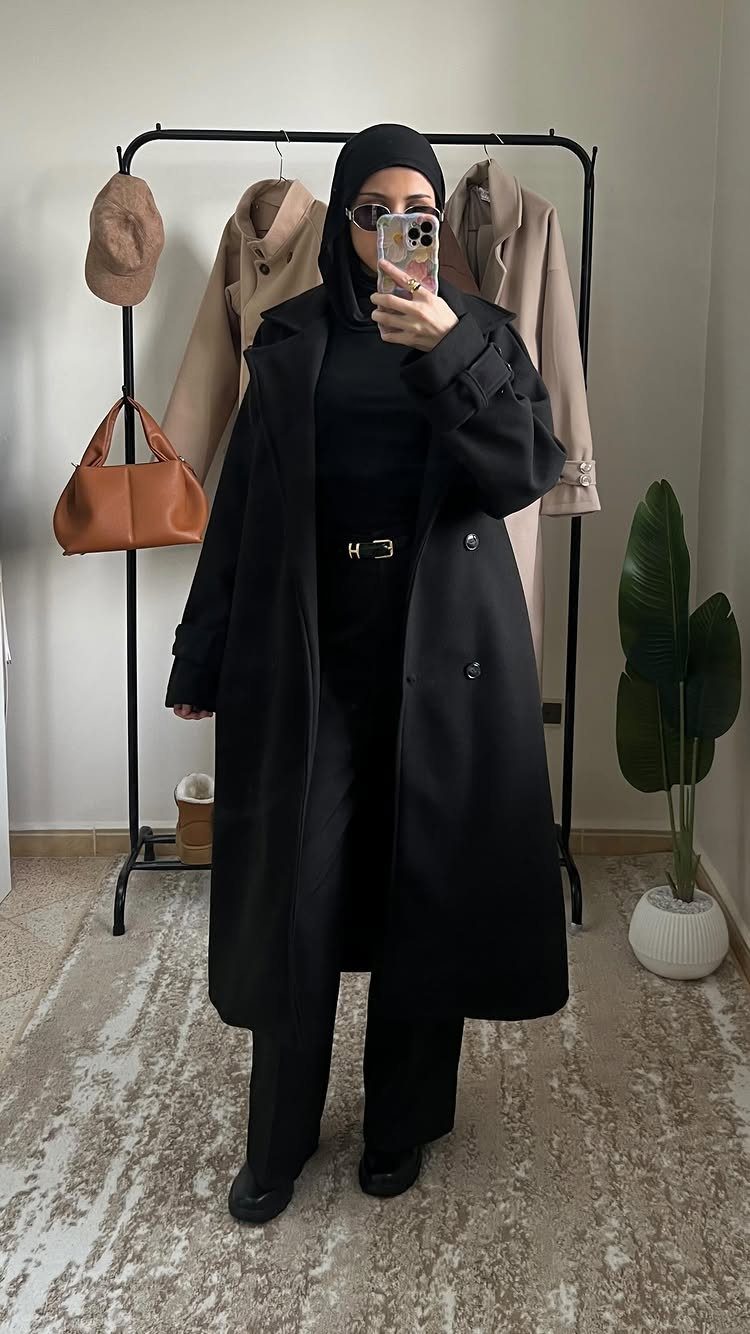
A long black coat over matching trousers and top turns the coat itself into the outfit. A hijab and sunglasses give the look structure without adding color.
The coat needs to hit at least mid-calf or the proportion collapses. I check that the trousers are slim enough to stack neatly over boots, since a wide leg under a long coat starts to read as costume.
This version suits someone who wants warmth without the bulk of puffer styling and who moves between indoor and outdoor spaces in one day.
The coat does the heavy lifting, so I spend the money there and keep the underneath simple. A tan bag is the single accent I’d allow myself.
Invest in Quality Materials
Natural fibers earn their higher price through performance wool and cashmere cannot fake. Breathable fibers regulate temperature instead of trapping sweat against skin; acrylic and polyester blends overheat fast and pill by mid-season.
A single merino-cashmere sweater kept thin enough to layer will outlast three cheaper replacements.
Care extends the investment. Hand-wash or dry clean, dry flat, and store folded; the garment returns the favor across years.
Layering Is Key
A thermal base layer functions as second skin, not bulk. Thin, close-fitting merino or synthetic thermal tops and leggings sit under jeans, dresses, or jumpers without shifting the silhouette.
Most chains now stock these in the usual neutrals at prices that don’t punish you for buying two.
Two scoop-neck thermal tops in rotation cover a week’s layering. Thermal leggings under £20 work under trousers or with a long jumper and snow boots when the outfit needs more from the base.
Merino wool thermal socks add padding inside boots and breathability synthetic fleece cannot match.
Build outward from that foundation: a thin layer traps heat, a chunky knit over it holds it, and the shell blocks wind. Remove one layer indoors and the system still works.
Functionality and Style
The balance between warm and polished is a skill, not a gift. Bulky layers read lazy; deliberate proportion reads intentional.
Footwear Importance
Footwear is where function wins outright.
Snow boots carry the journey, not the destination. Hunter’s knee-high padded iteration adjusts with a rear toggle.
Sorel offers multiple leg heights and remains a popular choice for warming fit.
One backup pair matters. The same logic applies to boots: wet feet end plans faster than any other discomfort.
Frequently Asked Questions
What is the best outfit to wear in the snow?
A fitted base layer under a plush faux fur or teddy coat, paired with jeans and grippy snow boots, handles most snowy days without looking bulky.
A textured coat, like shearling or bouclé, carries the whole outfit, so everything underneath can stay clean and minimal. A thin top underneath preserves the coat’s shape better than a bulky sweater would.
What are some trendy winter outfits for 2026?
Faux fur teddy coats, activewear-inspired fleece pullovers with matching leggings, and chunky Moon Boots or similar platform soles are the deliberate choices this season.
Platform soles buy you extra clearance from wet pavement, and that ski-jacket-over-denim formula only holds up when the jacket is actual waterproof shell, not a fashion knockoff in shiny nylon.