These seven coat patterns run from a beginner-friendly kimono wrap with dropped shoulders and waist ties to a lined double-breasted winter coat that needs a muslin run first in cotton canvas.
The right choice depends on whether you want structure you can adjust, like the Kaira Coat’s self-tie belt, or a straight silhouette where the shoulder measurement alone carries the fit, as with the Clyde Outerwear’s open-front canvas build.
Butterick B6385 includes a funnel-neck option that reads expensive in plain wool, though the Peter Pan collar variation only works if you’re under 5’4".
1. Long Winter Coat Sewing Pattern
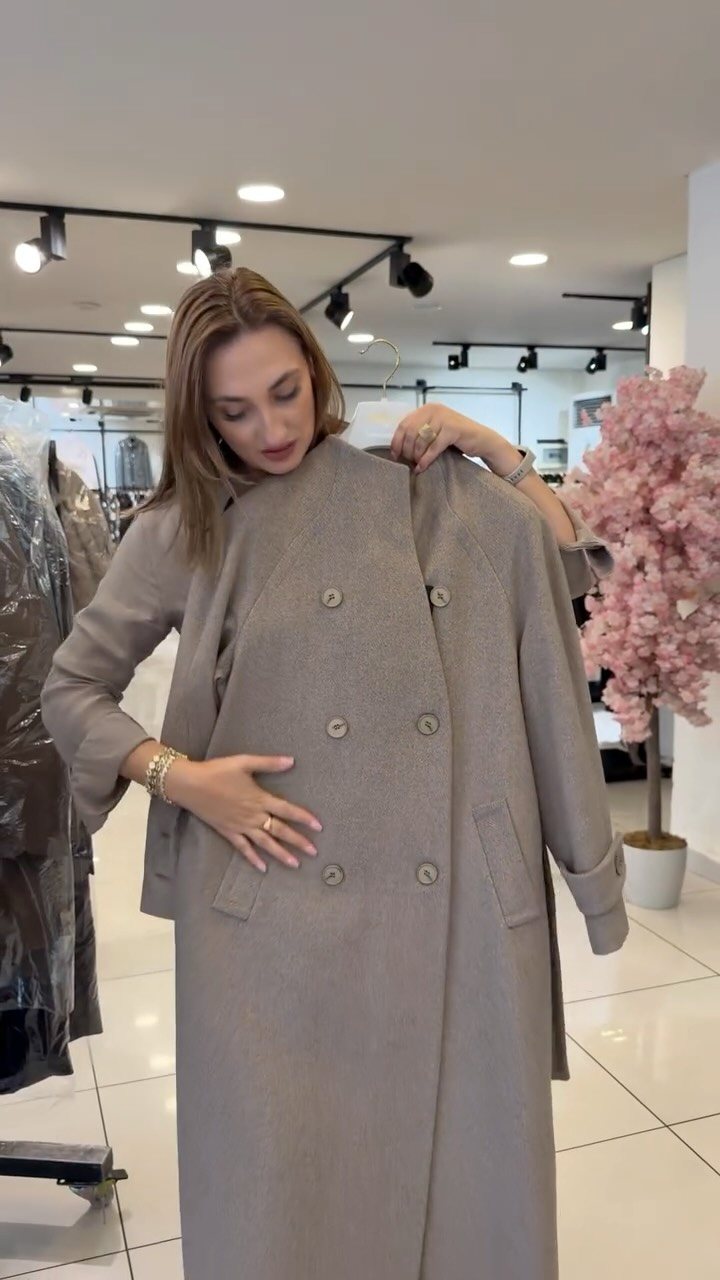
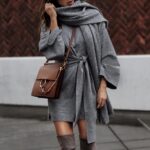
A full-length double-breasted coat in grey wool handles January commutes and office days without looking like an afterthought.
The long line works best on taller frames; petites should check that the hem hits at or below the knee rather than mid-calf, which shortens the leg.
Patch pockets at hip level keep hands warm and skip the need for a bag that fights the coat’s clean front.
For cold-weather layering, size up if you plan to wear thick knits underneath; the shoulders need to sit right with a sweater, not just a tee.
I would trace this pattern in a cotton canvas first to check sleeve length before cutting wool.
2. The Odyssey Coat Sewing Pattern
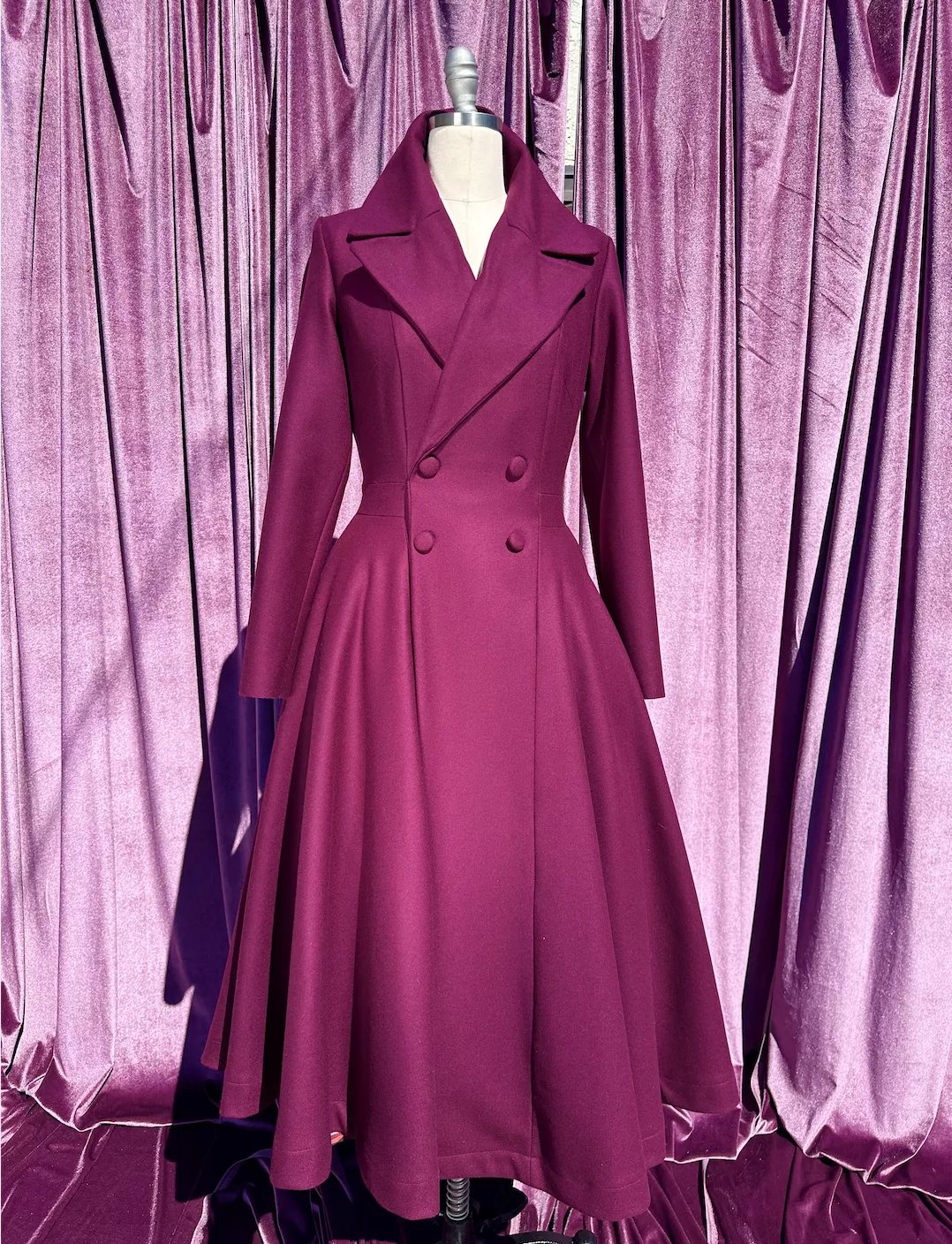
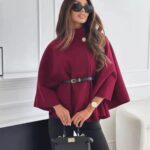
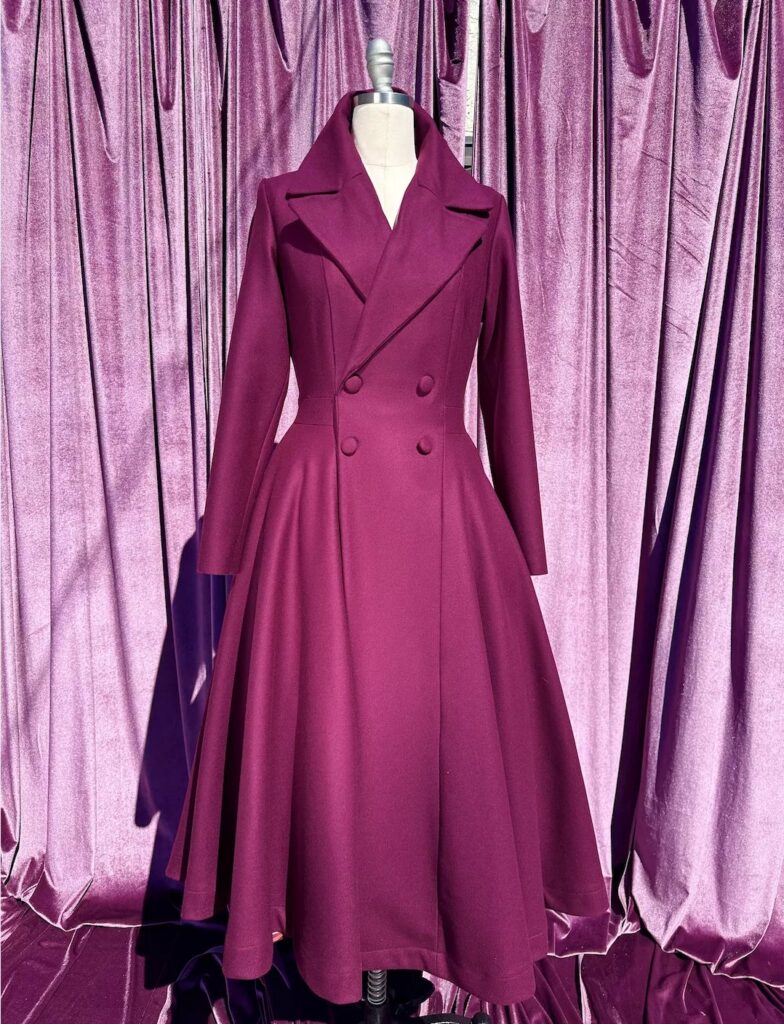
Wide lapels and a flared skirt give this magenta version a vintage line that reads dressy even in a solid color.
The double-breasted closure sits high, so the waistline lands at the natural waist; that flatters an hourglass or rectangle more than a pear shape, where the flare can add volume low.
Heavy wool with body holds the skirt’s shape; limp fabric collapses the whole gesture. Check your button placement against your bust; wide lapels that gape are a fitting fix, not a pattern flaw.
I’d put this one to work for holiday parties or any event where a puffer would feel wrong.
3. Women’s Kimono Wrap Coat
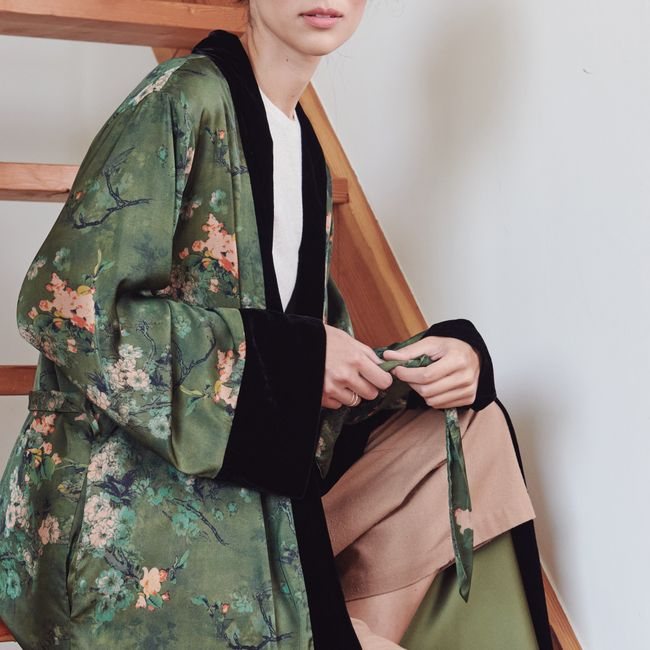
The kimono cut drops the shoulder seam and lets the fabric do the work; no tailoring to fight.
Shawl collar, wide sleeves, and waist ties mean you wrap and go, which suits beginners who dread setting in sleeves or fitting a standard armscye.
The velvet trim visible on cuffs and collar is a detail you could skip for a cleaner line, or add in leather if you want weight against the floral.
Lined construction matters here; the loose shape needs the inner layer to keep it from catching on clothes underneath. I see this as a fall layer over thin knits, not a January standalone.
4. Clyde Outerwear Digital Sewing Pattern
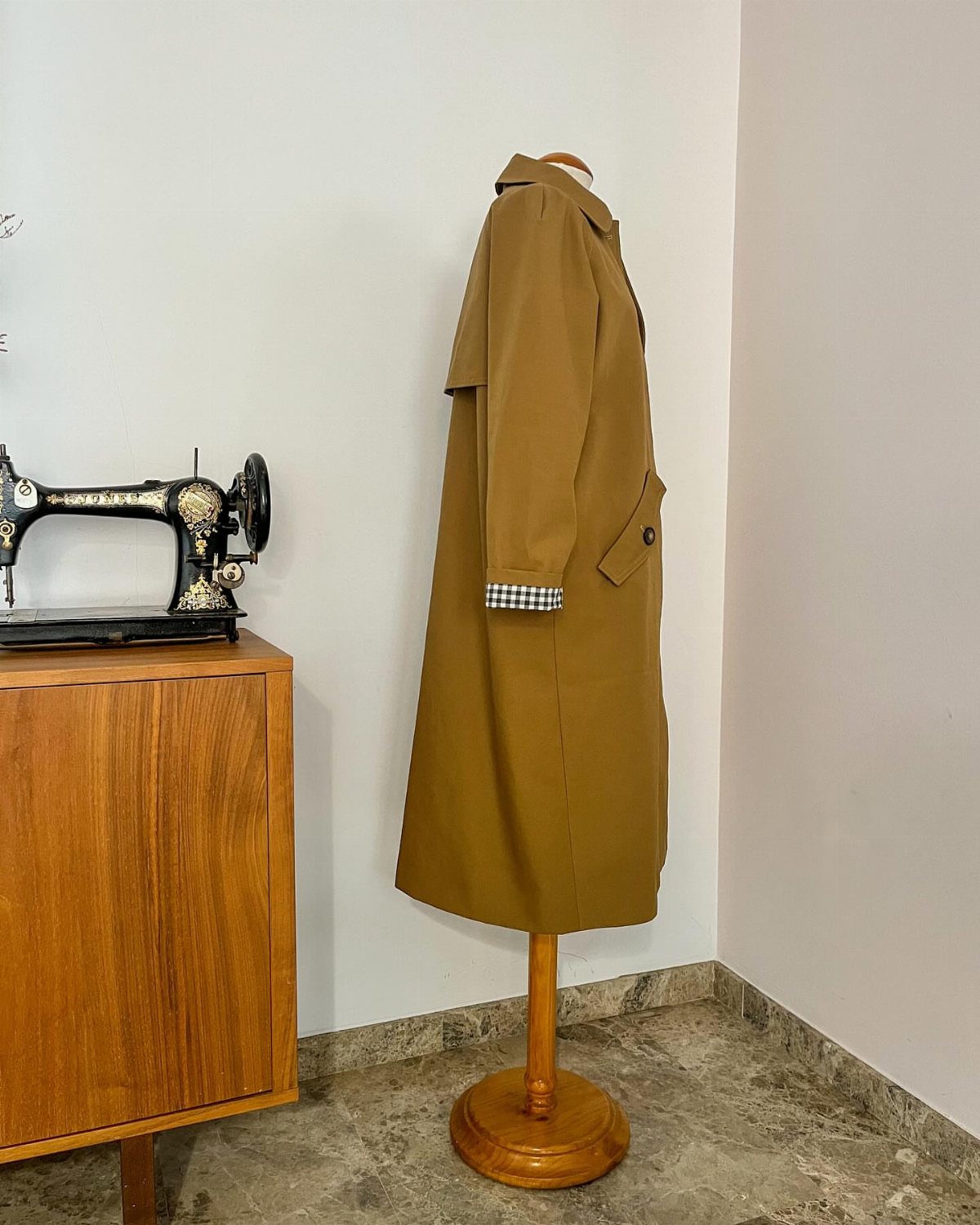
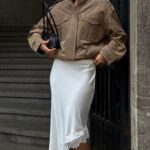
Tan cotton canvas and an open front make this a three-season piece that layers over hoodies as easily as over a blouse.
The relaxed, straight silhouette hangs from the shoulders without nipping in; that freedom is the point, but it means the shoulder measurement has to be right, since there’s no waist shaping to save a poor fit above.
Large patch pockets at hip height hold a phone and keys without the bulk of a crossbody. I’d grade this down if you’re between sizes; too much ease and you look like you’re wearing someone else’s coat.
5. Richmond Coat Tessuti Sewing Pattern
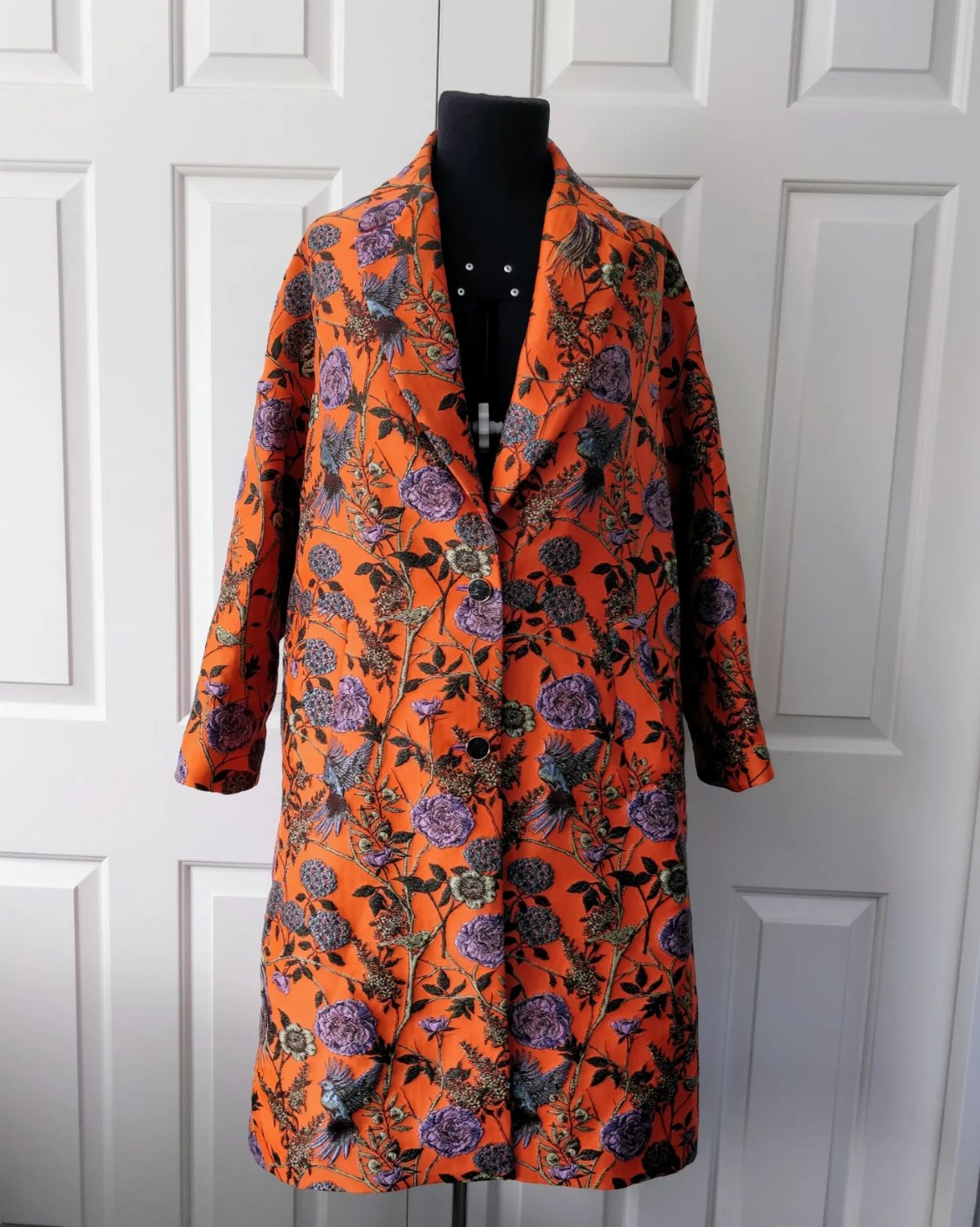
Single-breasted and full length with drop shoulders, this is the modern classic that outlasts trend cycles. The oversized fit needs careful fabric choice; a stiff checkered wool holds the boxy shape, while something drapey turns into a tent.
Three-quarter sleeves, as seen in the orange floral version, read more transitional than winter; for cold months, lengthen them or plan to layer gloves. A straight cut accommodates a range of bodies without dramatic grading.
I’d pick this for someone who wants one coat pattern to serve for work, weekends, and travel.
6. Kaira Coat Sewing Pattern
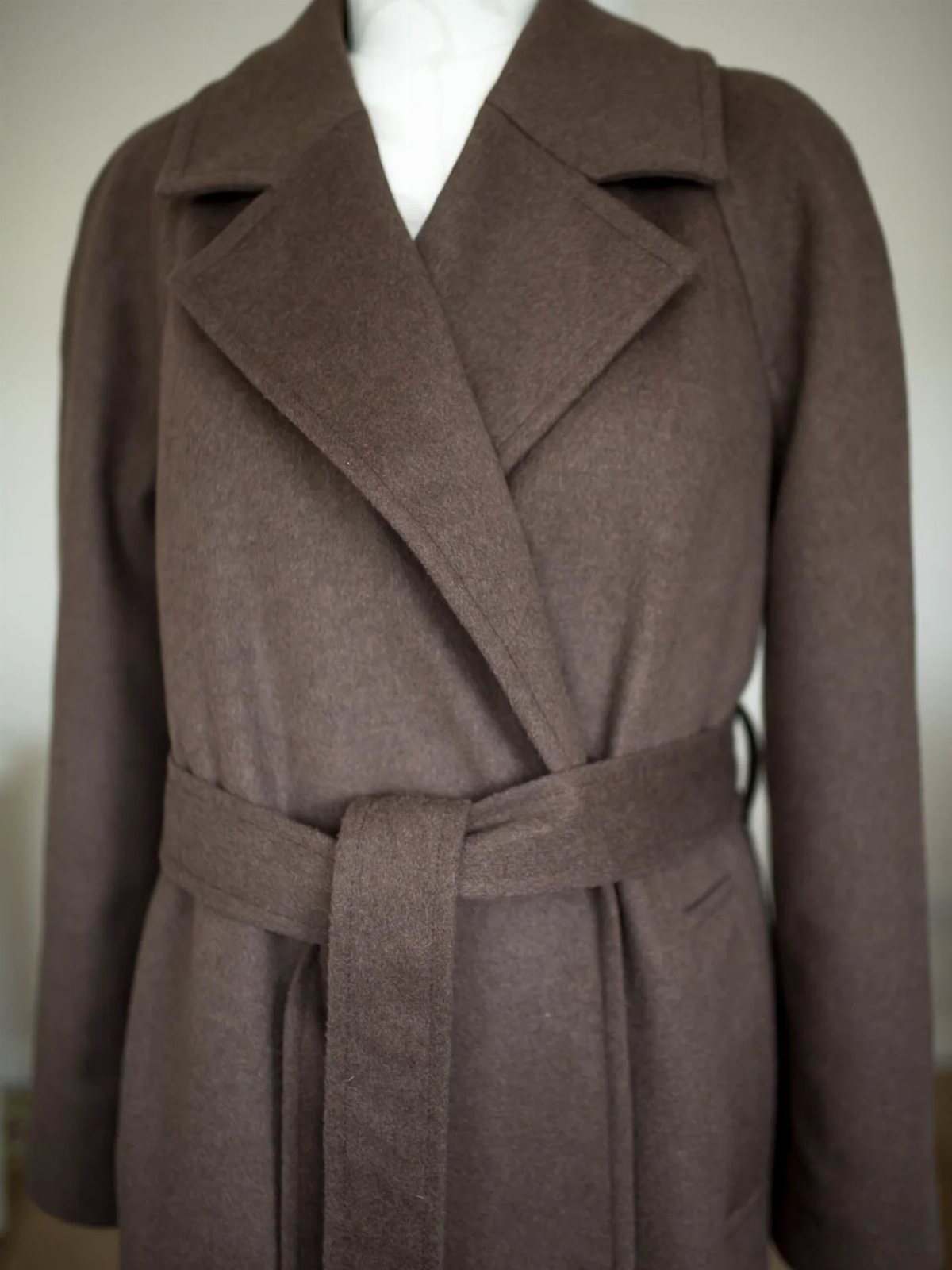
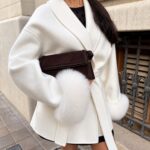
A wrap coat with a notched lapel and self-tie belt lets you adjust the fit day to day, which covers weight fluctuation or the difference between a thin top and a bulky sweater.
The feminine shape comes from the waist emphasis, so the belt position matters; too high and it looks costumey, too low and it loses the line.
Wool or a wool blend with some body keeps the lapels lying flat and the skirt moving without clinging. Check the wrap overlap against your stride; a walking vent or deeper overlap prevents gaping.
I’d recommend this to sewists ready for a lined project where the effort shows in the fit.
7. Butterick B6385
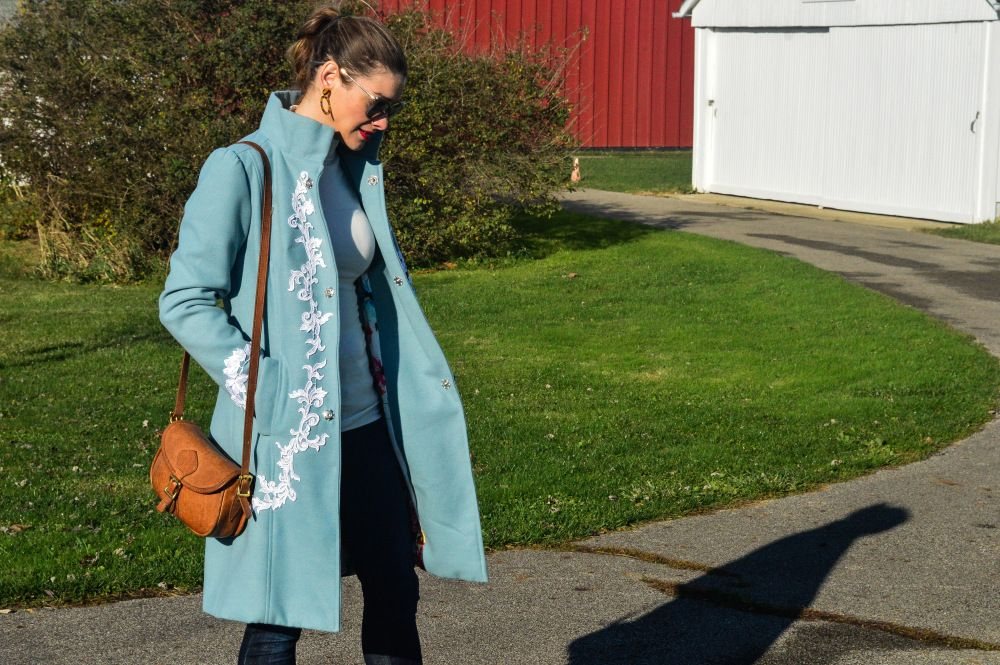
Butterick B6385 gives you a funnel-neck coat with real presence, the kind that reads expensive from across a parking lot even in plain wool.
The envelope includes a Peter Pan collar and a pointed collar too, though the funnel neck is what sells it.
I would pick the pointed collar if you are tall; the Peter Pan sits better on someone under 5’4" where a high funnel might swallow your neck entirely.
Lace appliqué like the sample takes patience and a domestic machine with a free arm. Without that equipment, sew the coat in a solid and let the silhouette do the work.
A first coat takes real time, and the embroidery adds more. The finished piece looks bought, not made.
Sewing Pattern Availability
Most coat patterns now come as instant PDF downloads, which means you can start tracing the same evening you buy. Printed tissue still ships from the big four houses, but indie designers have moved almost entirely digital.
Check the file format before you pay: some downloads arrive as copy shop PDFs sized for wide-format rolls, others as tiled A4 or letter pages you tape together at home.
Size ranges vary by designer, so verify your measurements against the chart rather than assuming a 12 is a 12. A few sites let you buy individual sizes for less if you only need one.
DIY Coat Making Tips
A first coat is a project that rewards patience more than speed.
Start with a fabric you can afford to ruin: cotton canvas in a neutral tan sews like wool but costs less per yard, and any fitting mistakes become muslin wisdom rather than lost cash.
Beat the chilly weather by working in stages. Cut one weekend, flat-fuse your interfacing the next, and leave the machine set up rather than packing it away between sessions.
The collar and pockets are where time pays off; rushed topstitching there reads homemade from across the room.
Fabric Recommendations
Wool blends remain the standard for warmth without the full weight of coating wool.
A 60–40 wool-poly mix presses cleaner and resists bagging at the elbows, though pure wool lasts longer and takes a press with steam that a blend sometimes won’t.
Cotton canvas works for unlined styles and three-season wear; it softens with washing but holds its structure through years of pulling on and off.
Textured fabrics like bouclé or herringbone add visual interest in simple cuts, though the weave can fight curved seams.
For a coat that reads expensive, match your interfacing weight to your shell: too light and the lapels flop, too heavy and the collar stands like cardboard.
Skill Levels for Sewing
Beginners should look for dropped shoulders, wrap closures, or kimono cuts that skip tailored armscyes.
Setting in a sleeve with ease is a skill that comes with practice, and a first coat is already enough work without fighting the fit at the shoulder.
Intermediate sewists can handle notched lapels, welt pockets, and lined construction where the inner layer hides your finishing. Advanced work shows in the details: hand-padded lapels, bound buttonholes, or matching plaids across seams.
The Butterick funnel-neck coat sits at this end; the embroidery alone assumes you have a free-arm machine and the patience to hoop lace without puckering. Pick your pattern by the techniques it teaches, not just the photo on the envelope.
Frequently Asked Questions
How many yards of fabric do you need to make a coat?
Full-length coats like the Long Winter or Richmond styles take more fabric than hip-length options, so the yardage depends on the silhouette you’re after. A wide skirt or flare, as on the Odyssey Coat, adds yardage too.
Check your pattern envelope against your size and fabric width; every coat here calls for wool or wool blends with body, and lining adds a separate calculation.
Does anyone sell sewing patterns anymore?
Yes. Indie Pattern companies and individual designers still sell paper and PDF sewing patterns, and several current sources are named below.
Tessuti sells the Richmond Coat, and Butterick still produces envelope patterns like B6385 with multiple collar options. Digital patterns also appear: the Clyde Outerwear comes as a PDF download.
These are commercial patterns meant to be printed or traced, not the vintage paper patterns of decades past.