These fall styles run from a basic cotton crewneck to investment-level shearling outerwear, and the right pick depends on whether your day demands looking pulled together or actually staying warm.
A midi skirt in rust or navy floral moves from morning meeting to dinner without a change, while a funnel neck jacket solves the sharp drop between coffee and afternoon pickup.
1. Midi Skirts
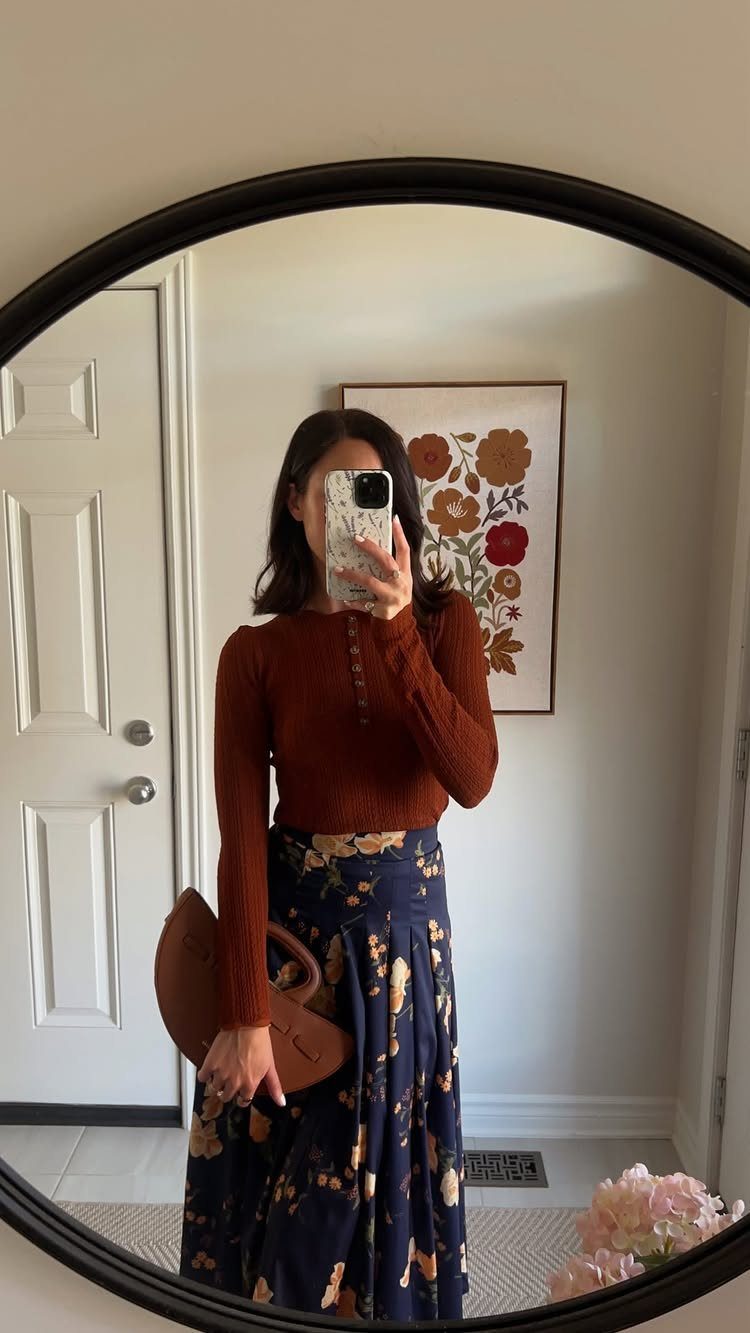
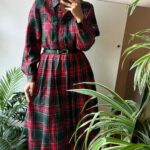
A midi skirt in a rich fall tone does what mini and maxi lengths sometimes can’t: it moves from a morning meeting to dinner without looking like you changed for either.
Fluid fabrics in rust or navy floral read polished without trying hard; a satin finish catches the cooler autumn light and looks more expensive than it is.
For a piece that actually gets worn, I’d pick structured cotton or a heavier silk that holds its shape through a day of sitting and standing.
The length should hit mid-calf, not below the ankle, so boots work without a hem puddle.
2. Chunky Knits
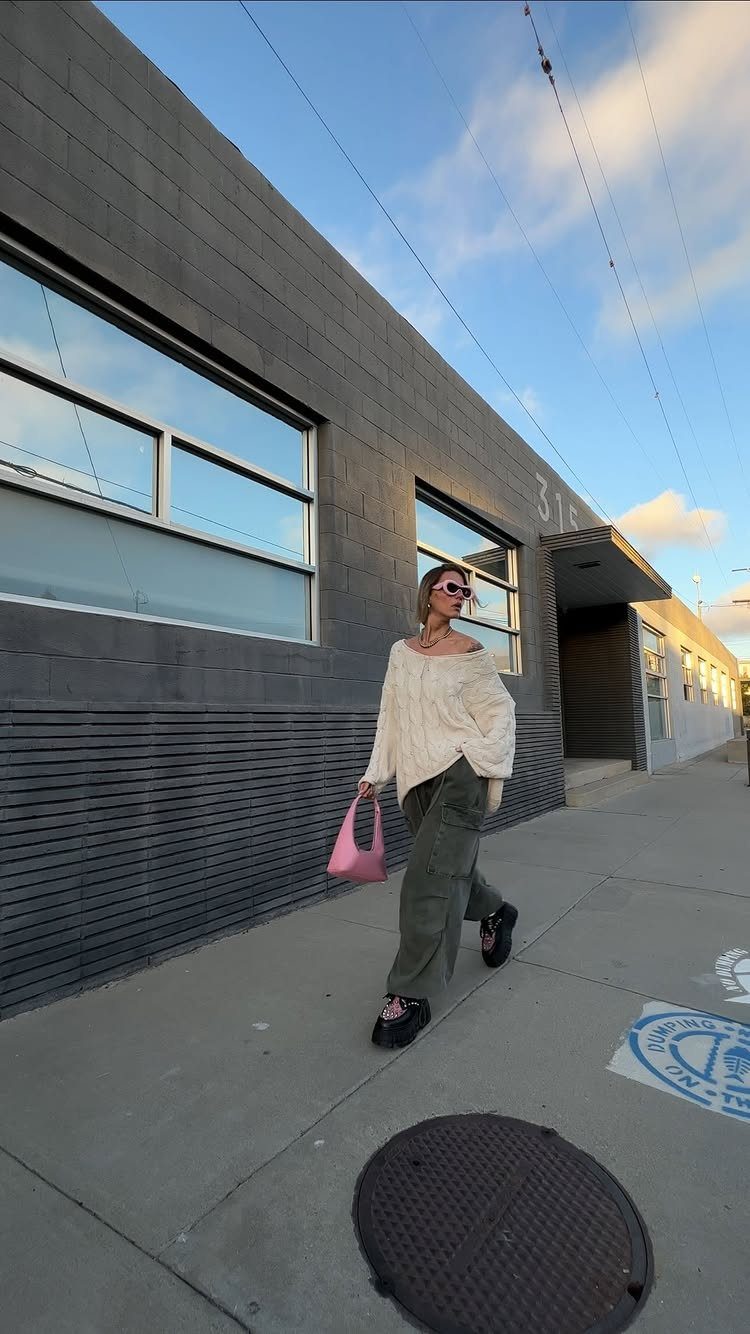
Oversized knits only look effortless if the proportions underneath are intentional.
An off-white chunky crewneck with wide-leg trousers and a flat shoe keeps the volume balanced; add a heel and the same sweater starts to look like you shrank it in the wash.
Quince’s oversized crewneck is the one I reach for most once the temperature drops, though in early fall or a warmer climate, GAP’s cotton version layers without overheating.
Tucking or half-tucking the front hem gives you back a waistline; left completely untucked, the silhouette swallows most frames.
3. Earth Tones
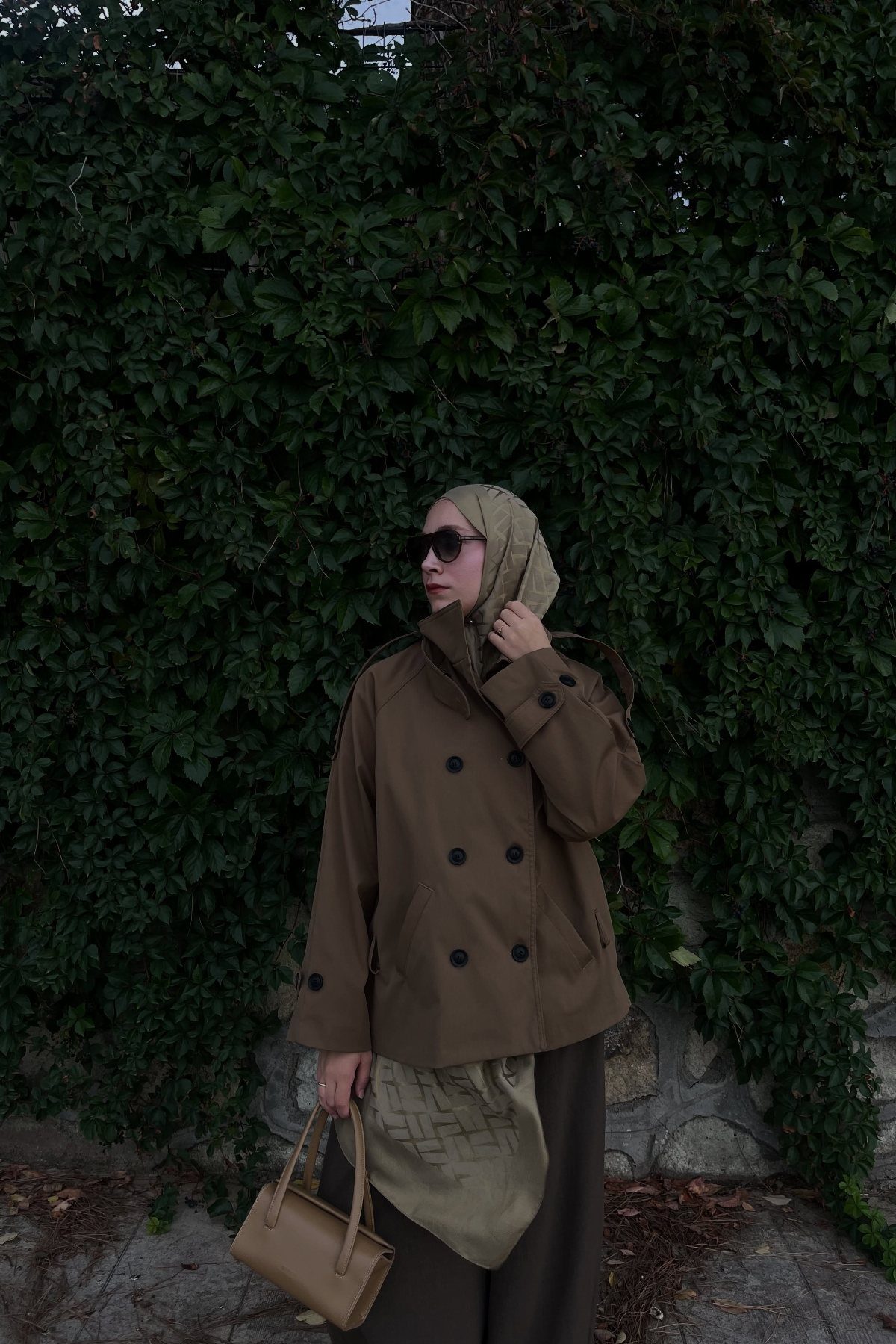
Olive against burgundy feels intentional without trying to match.
Navy and deep brown together might be the most useful professional combination this season, and it works because these tones function as advanced neutrals, richer than black but just as easy to layer.
The cooler autumn light actually enhances these hues optically, so they gain depth outdoors in a way flat black doesn’t.
I’d start with one piece in each dominant tone, burgundy, olive, and chocolate brown, and let them rotate through outfits that already exist in your closet.
4. Suede Accessories
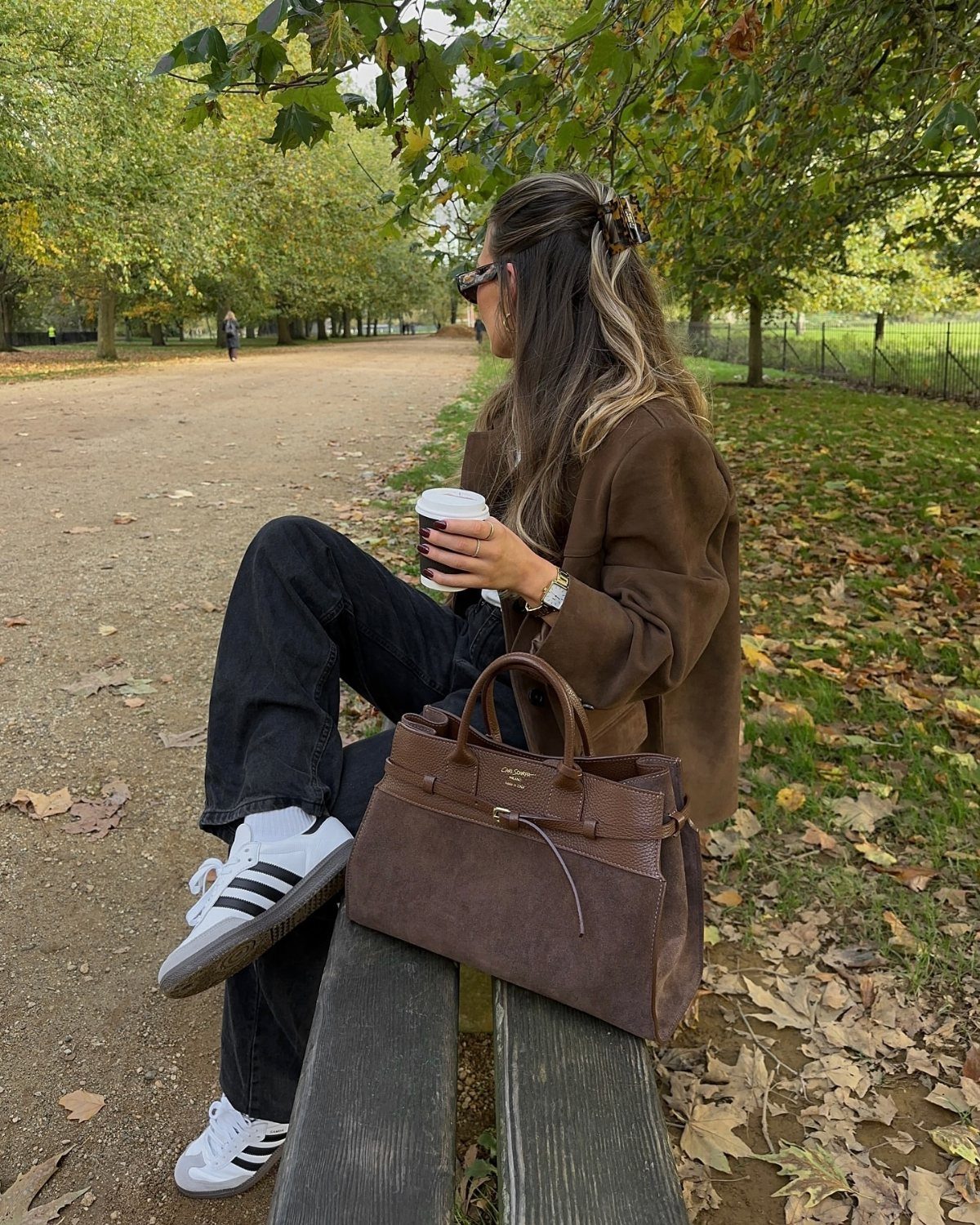
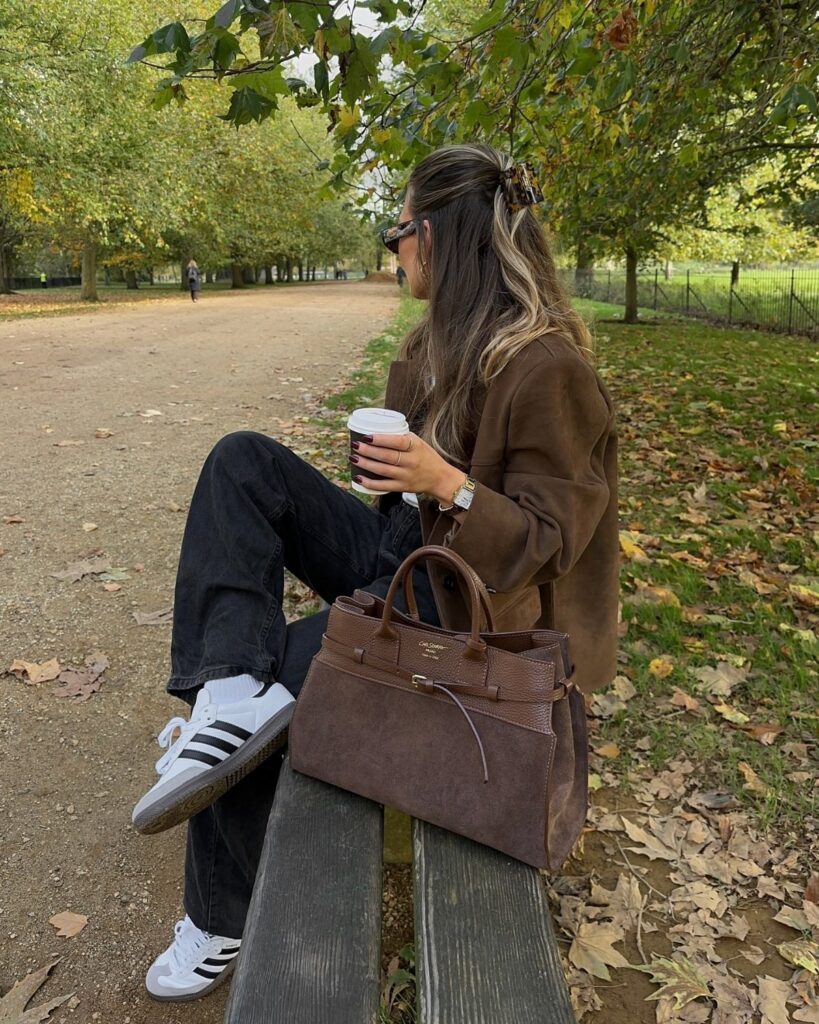
Suede in a bag or shoe adds texture without demanding the rest of the outfit coordinate around it.
A doctor-style shape in brown suede carries the weight of The Row Margaux at a fraction of the cost, or a smaller club bag works if you travel light and want the material without the bulk.
The question is whether you need the suede piece to anchor the outfit or simply participate in it. A large bag becomes the statement; a compact one slips in among pieces you already own.
Check what you actually carry daily before deciding on size, and look for genuine suede rather than synthetic, it ages better and doesn’t read as costume once the novelty wears off.
5. Funnel Neck Jackets
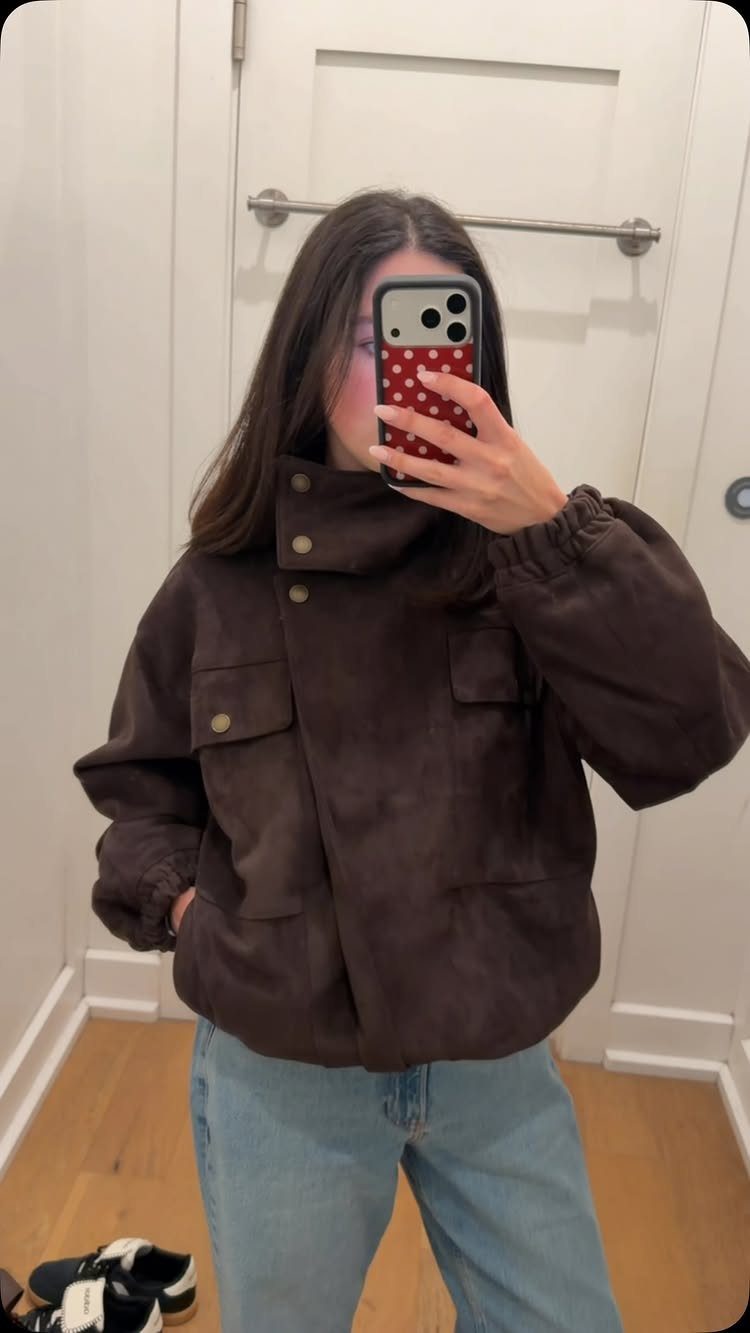
The funnel neck solves a specific problem: how to look put together when the temperature drops twenty degrees between morning coffee and afternoon pickup.
That raised collar frames the face and adds warmth without the commitment of a scarf, and in a lightweight layer, it transitions across months rather than weeks.
I’d size for a slim layer underneath, not a bulky knit, or the silhouette goes from structured to stuffed.
6. Retro Denim
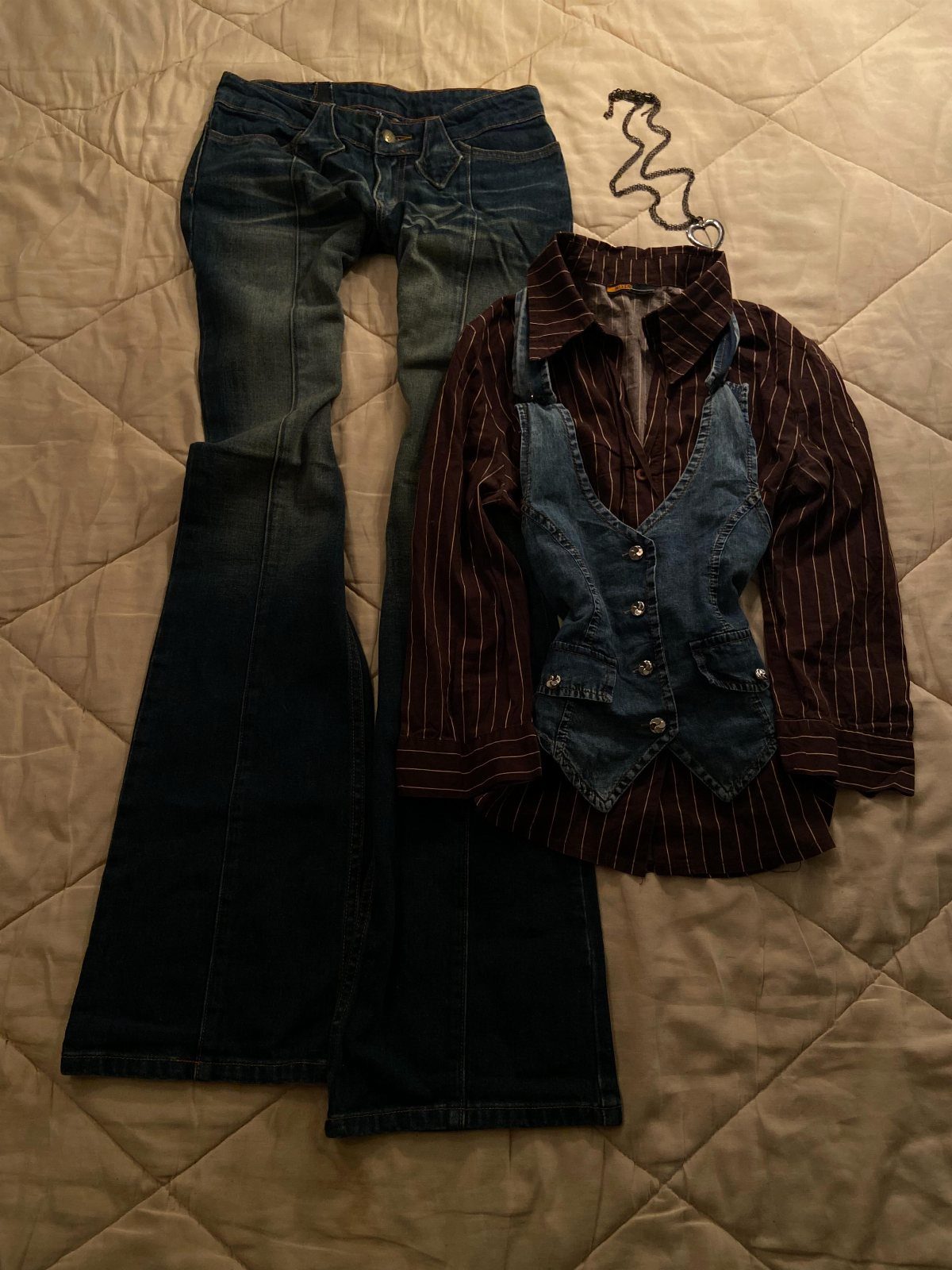
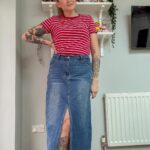
Denim this season borrows from two eras that rarely meet: the loose, straight-leg Levi’s vintage cut and the lower, hip-slung Y2K silhouette. Both work, but they suit different bodies and different tolerances for adjustment.
The vintage straight leg is easier, it sits at a familiar mid-rise and moves with a turned-up hem that shows a boot or a sneaker.
Abercrombie and Madewell are two I check first for fit consistency and fabric that doesn’t bag out by noon.
If you’re trying the Y2K low-rise cut, size carefully and expect to wear it with a shorter top; the proportion only works when the waistband is visible.
7. Oversized Crewnecks
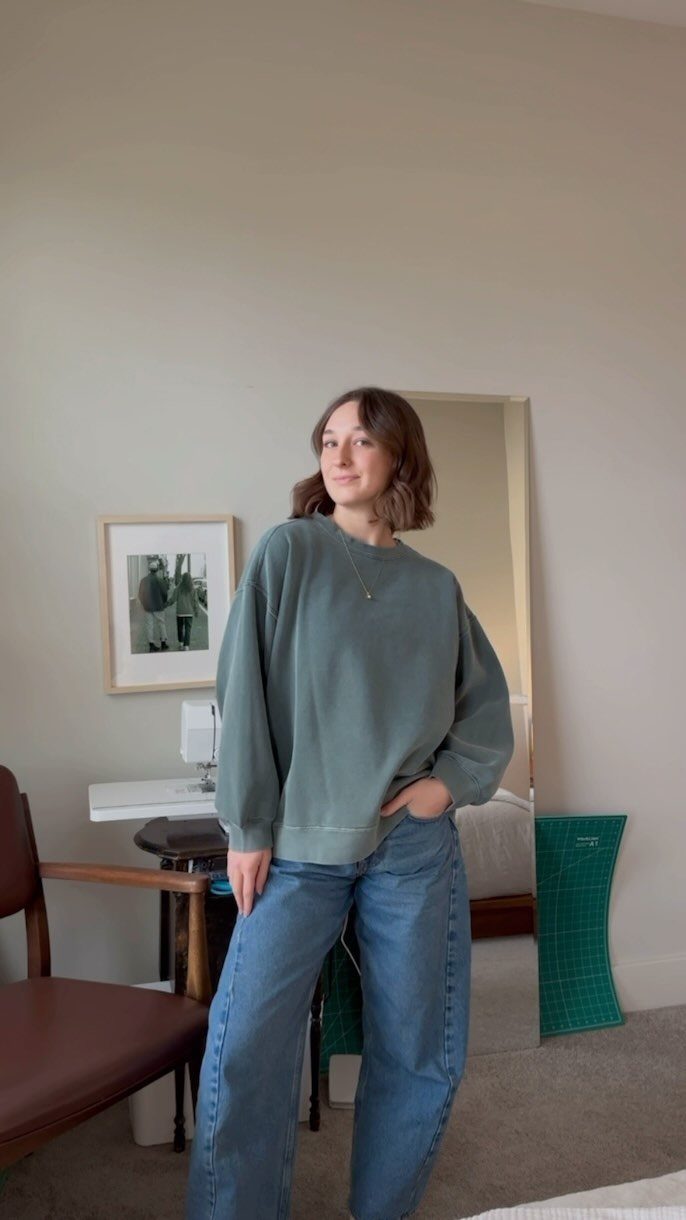
An oversized crewneck hits that sweet spot between looking intentional and feeling like you stole it from someone else’s laundry pile.
A sage tone reads fresh against denim rather than sloppy, and a dropped shoulder keeps the line modern rather than merely large.
Quince makes the one I reach for most mornings once the temperature dips, though it runs heavy enough that early September in warmer states calls for GAP’s cotton crew instead.
Both layer cleanly under a jacket without the bulk of a hood.
If the sleeves swallow your hands or the hem hits mid-thigh, a quick hem job changes everything.
One maker took three inches off the bottom and five off each sleeve, and the sweatshirt finally sat where she’d wanted it all along. The sewing is straightforward enough for a beginner.
8. Wide-leg Trousers
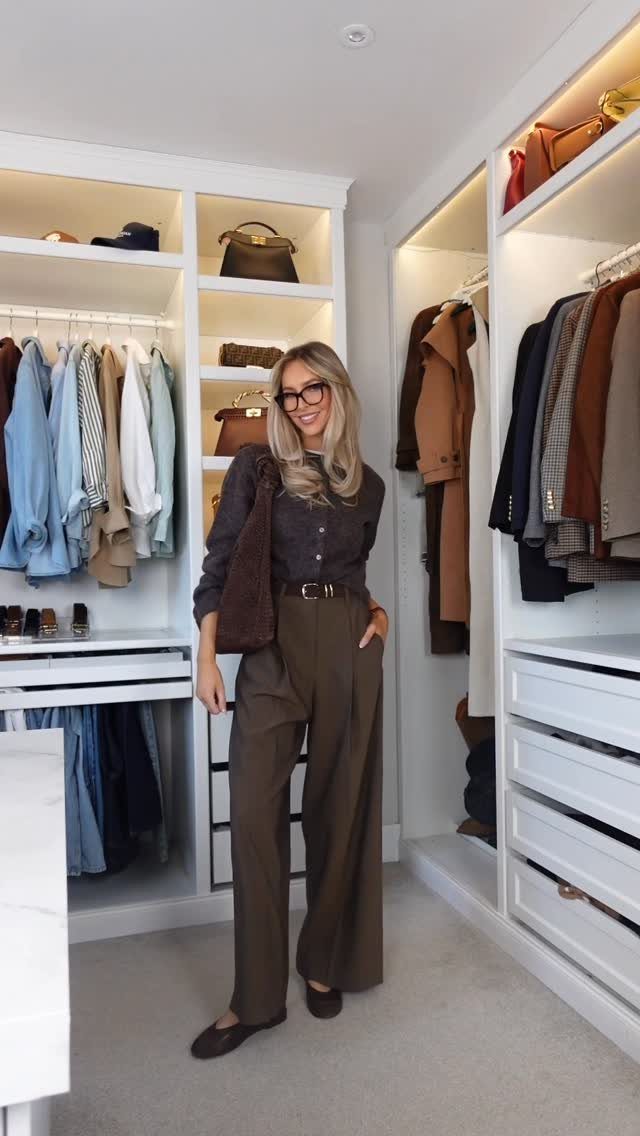
Wide-leg trousers do the work of looking dressed up while your legs get the room they actually want. Belted and tucked with a dark cardigan, the shape stays office-appropriate without reading corporate.
Balance is the whole trick here. A fitted top half, whether a slim knit or a shirt tucked in, keeps the volume from overwhelming a smaller frame.
Abercrombie’s tailored cut handles that balance well for everyday, and Aritzia’s Lodge Pant in crepette fabric has carried me through years of travel, the stretch waist forgiving after long flights and the fabric refusing to crease in a suitcase.
Sneakers dress them down; a ballet flat or small heel pulls them toward evening. The only wrong move is pairing them with another oversized piece, top and bottom competing for space.
9. Shearling Outerwear
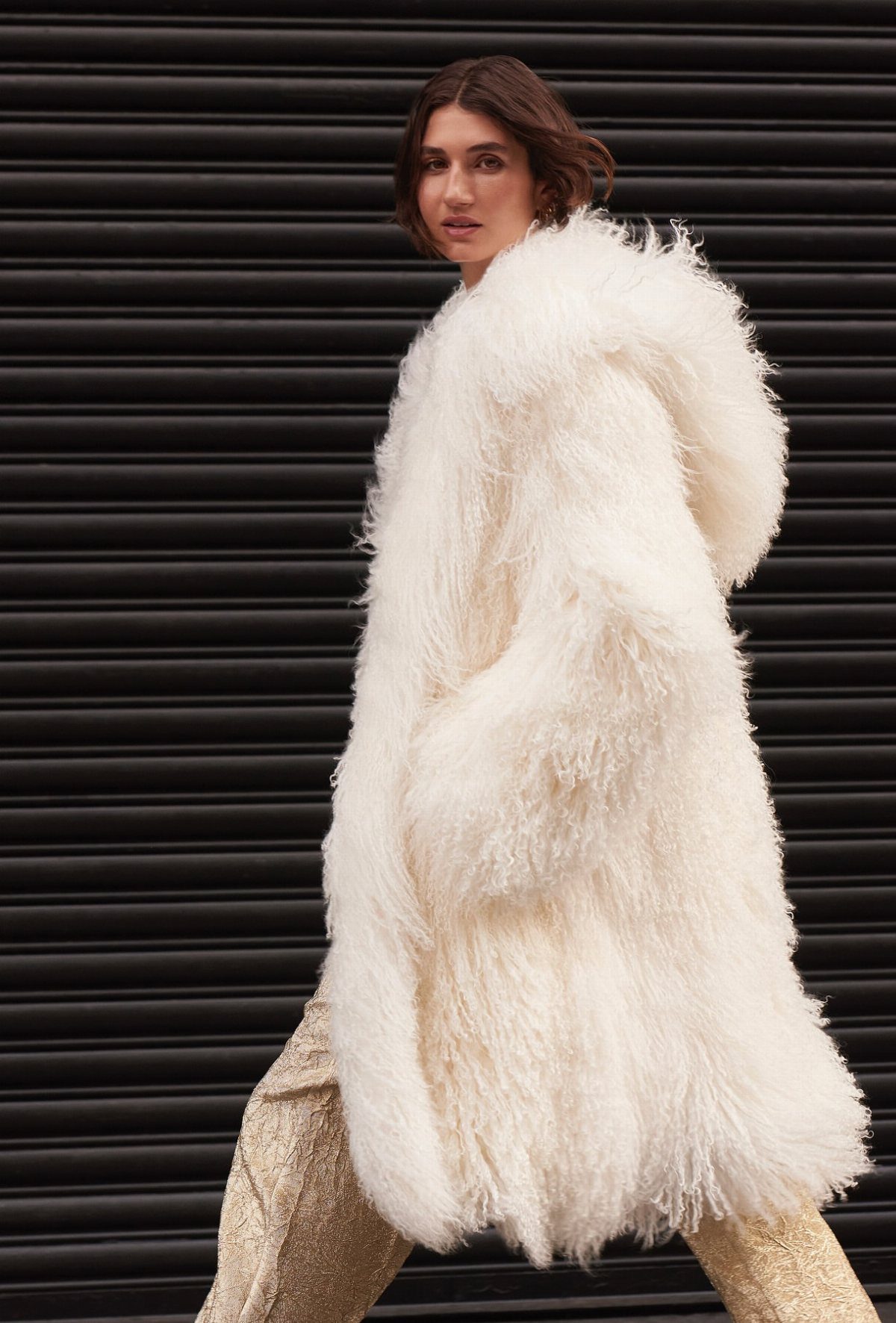
Shearling outerwear reads as texture first, warmth second, which is exactly why it works before true winter sets in.
Long-haired and almost shaggy shearling catches light like a statement piece rather than a practical layer, and that contrast is the point.
Real shearling holds heat and shapes up over years; a good faux version cuts the cost and the weight, though it won’t last as long or break in the same way. What matters more than material is the cut.
A voluminous silhouette needs room to move, so check that the shoulders don’t pinch and the hem clears your widest point comfortably.
For something that pivots from coffee runs to dinner, look for a length that hits mid-thigh or longer. Shorter styles trend younger and harder to wear to an office.
A wrap closure or clean buttons keep the line neat; too many toggles or zippers and the coat starts reading costume.
10. Brocade Jackets
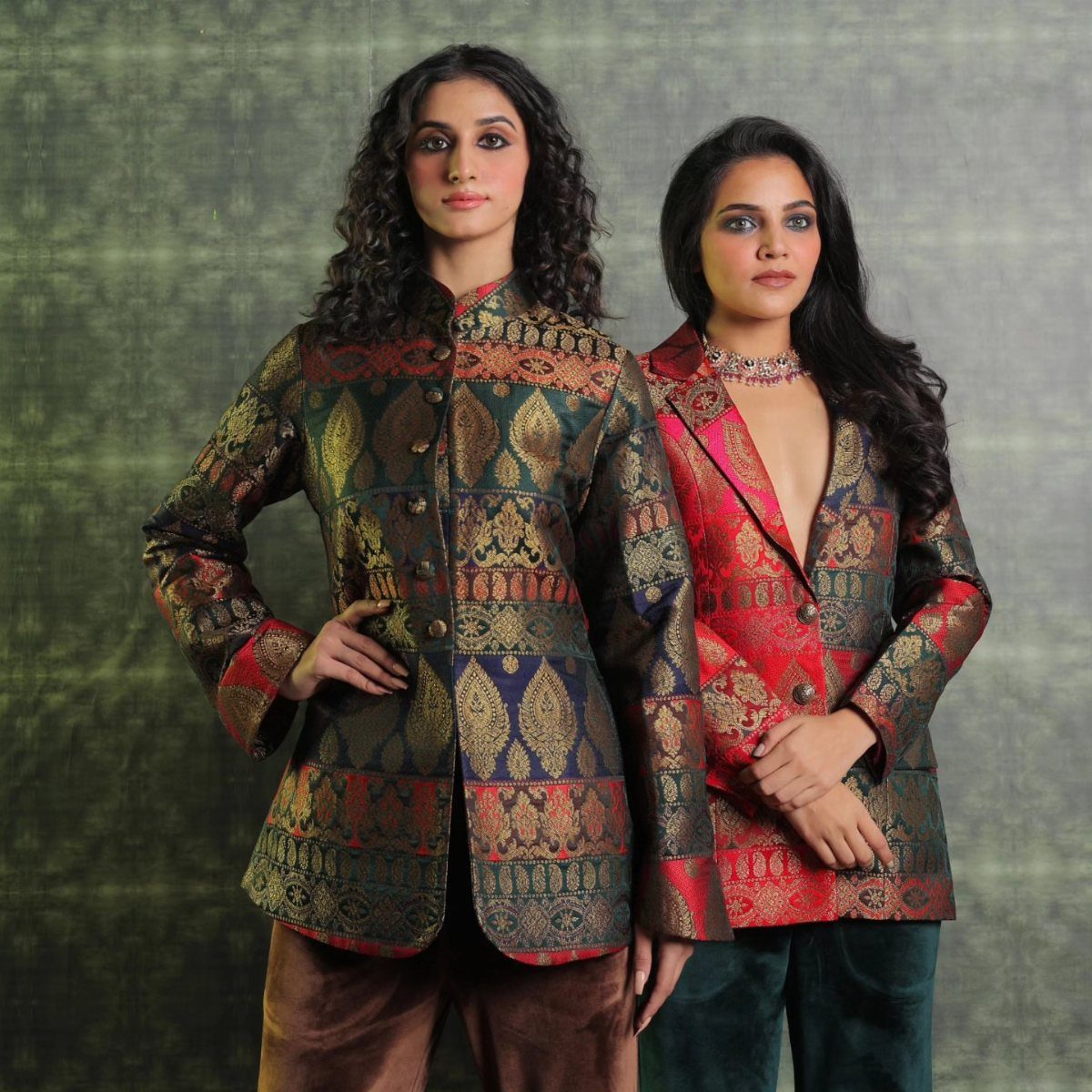
Brocade carries its own decoration, so the jacket does the styling work before you add a single accessory. Deep green and gold reads moody and traditional; bright red turns it to full drama.
The fabric has weight, which means it hangs better with structure in the tailoring. A brocade that pools or wrinkles loses the effect entirely.
Look for a fitted shoulder and a length that hits at the hip; anything longer starts to read costume, anything shorter can look boxy.
Worn with solid trousers, that restraint is what makes brocade wearable outside a party. Zara’s suede jackets hit a similar note of texture without the formality, if brocade feels like too much commitment for your closet.
11. Varsity Style
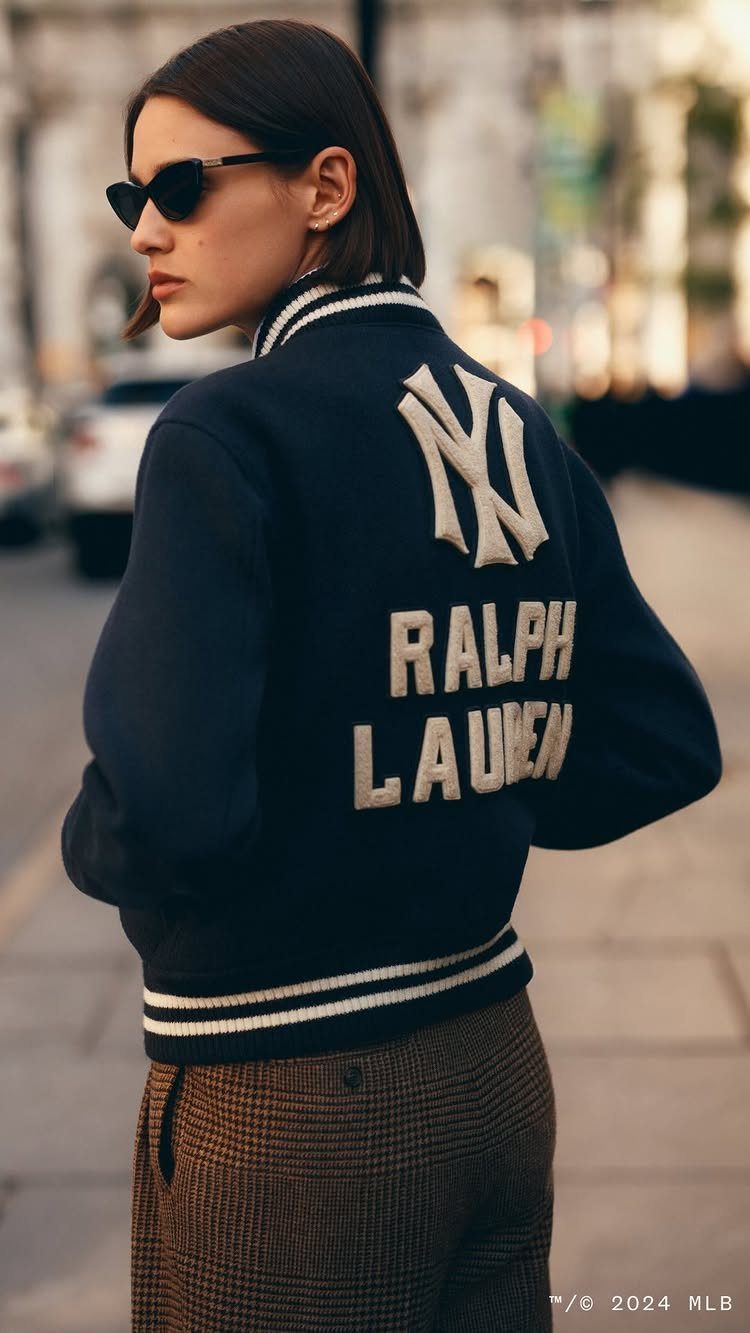
Varsity style borrows from school uniforms without asking you to relive them. Navy with white striping and an oversized back logo keeps the shape casual but the details deliberate; plaid trousers underneath push it toward adult rather than adolescent.
A letterman jacket works best when it is not trying to be authentic. Skip the actual high school patches and look for clean typography, minimal branding, or a single graphic.
If the full jacket feels like too much, rugby stripes on a sweater or shirt carry the same energy in a smaller dose.
Nordstrom and Cotton On both cut them slim enough to tuck, which matters, an untucked rugby can look like you are wearing your boyfriend’s practice gear. Pair with trousers, never with sweatpants, the contrast is what saves it.
12. Ballet Flats
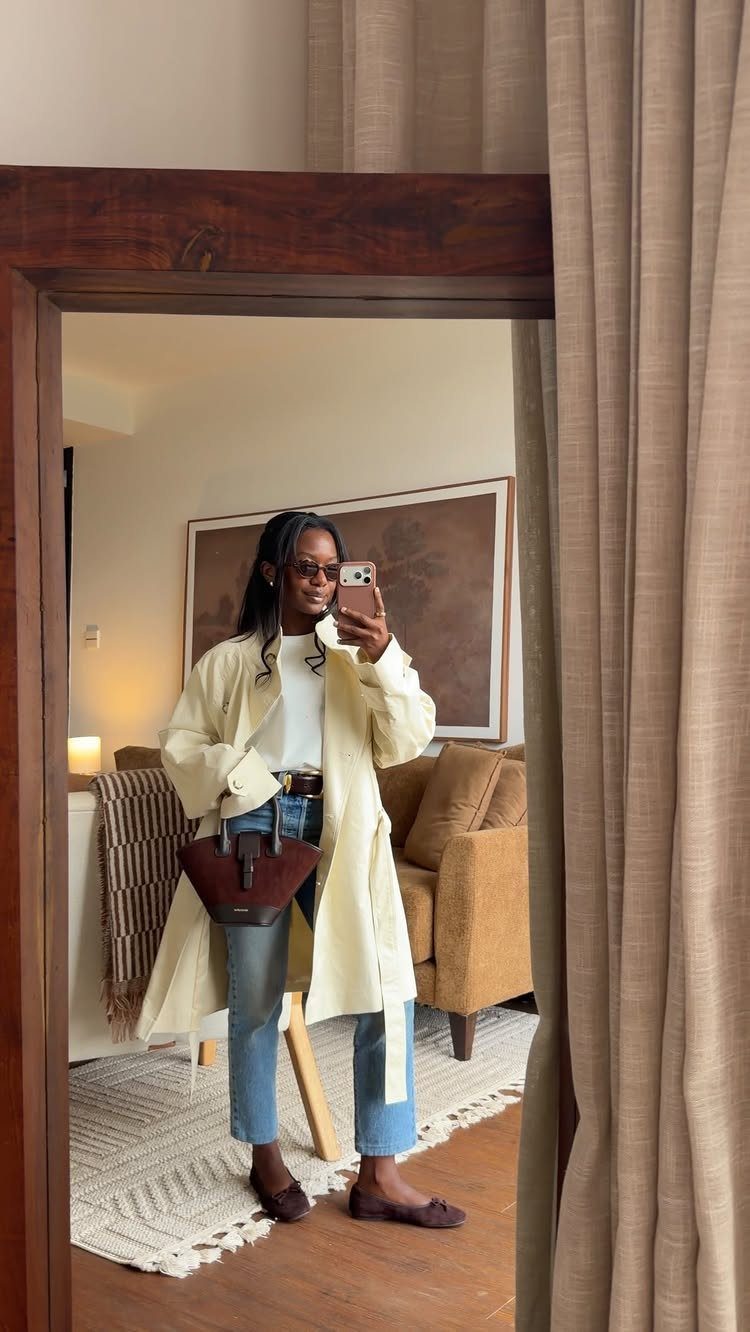
Ballet flats this fall have shed their middle-school associations through two small changes: a higher cut across the foot and a squarer toe. Worn with jeans and a trench, the new shape reads polished rather than prim.
The higher sides mean less of your foot is on display, which sounds minor until you realize it is what keeps them from looking like dance shoes you forgot to change out of.
A square toe adds structure that the old round-toe versions never had.
These work with the unexpected pairings. The same maker who shot this look also runs them against track pants and a button-down, the flats grounding the athletic piece so it does not read gym-bound.
Four colors covers most wardrobes; I would start with the dark brown or black, the shades that bridge casual and put-together without thinking about it.
13. Statement Blouses
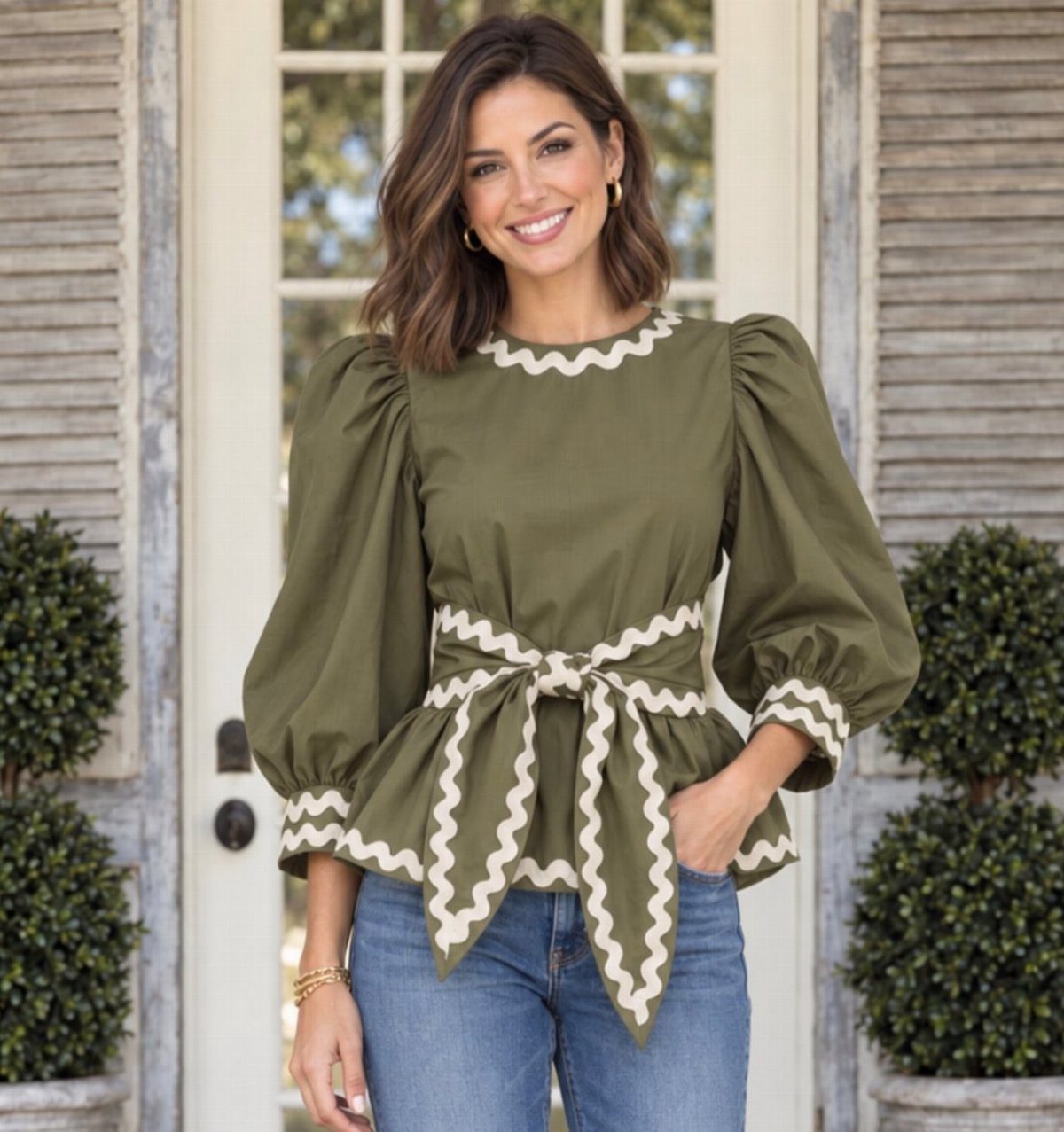
A statement blouse turns jeans and a simple jacket into something that looks considered without trying hard.
A waist tie and ric-rac trim on the sleeves add interest without overwhelming the frame; soft puff sleeves or an unusual neckline achieve the same effect with less volume.
Satin holds up through office hours and dinner afterward, especially with a little stretch woven in.
I would pick cotton or a cotton blend for anyone who runs warm, since the whole point is wearing it all day without thinking about it.
This is for the person whose fall wardrobe is solid on bottoms but needs one piece that does the heavy lifting up top.
14. Slip Dresses
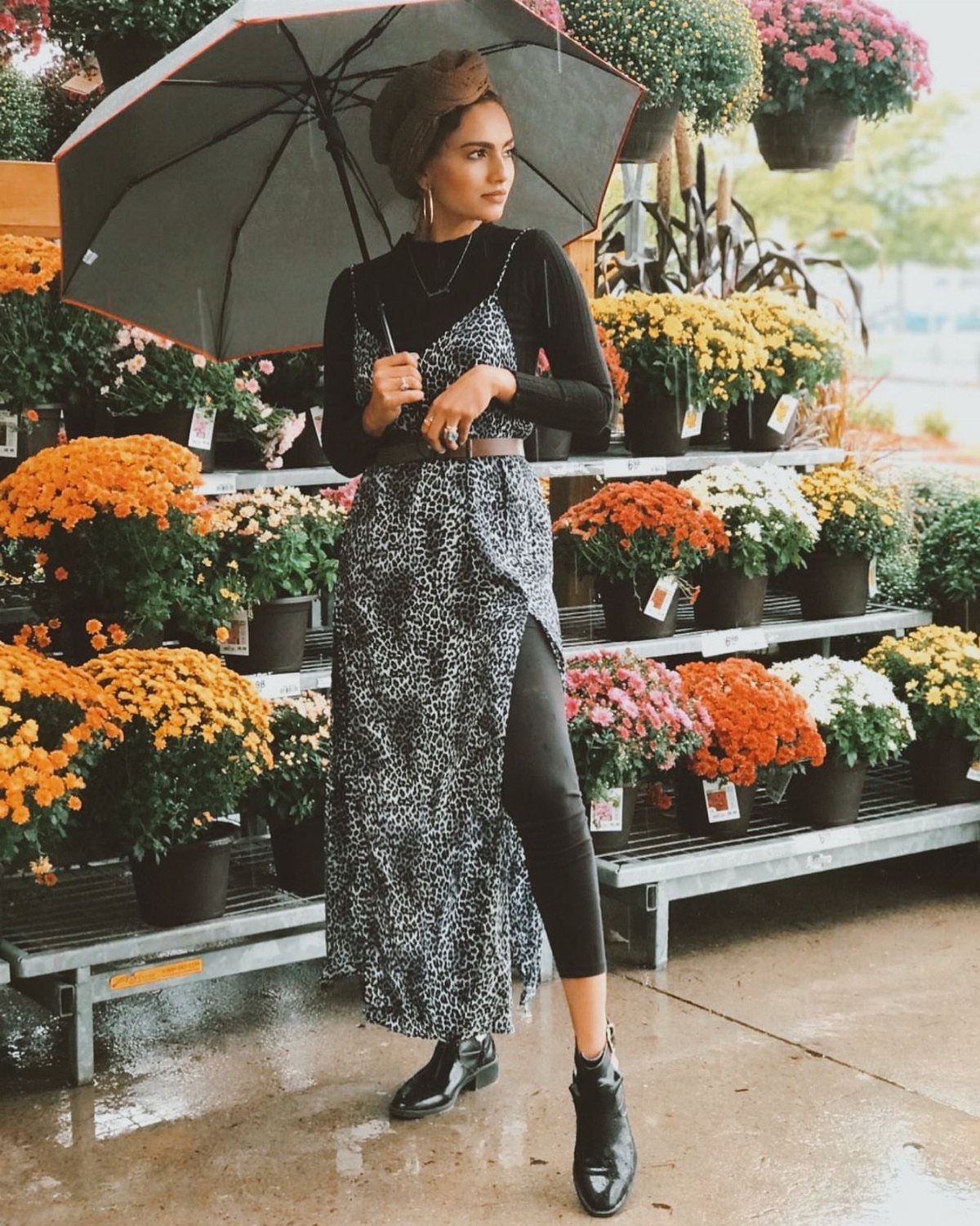
Layering a slip dress over a turtleneck and leggings carries it straight into cooler weather instead of packing it away until spring.
A leopard print reads as pattern; a solid color would let you change the layer underneath without fighting for attention.
A blazer on top gets you through a meeting, a sweater replaces it for Saturday errands, and a leather jacket after that carries you into evening.
I keep mine in a heavier silk that does not cling, since the silhouette only works when it skims rather than grabs.
This suits anyone who wants one dress to cover three settings without looking like she tried.
15. Plaid Blazer and Trousers
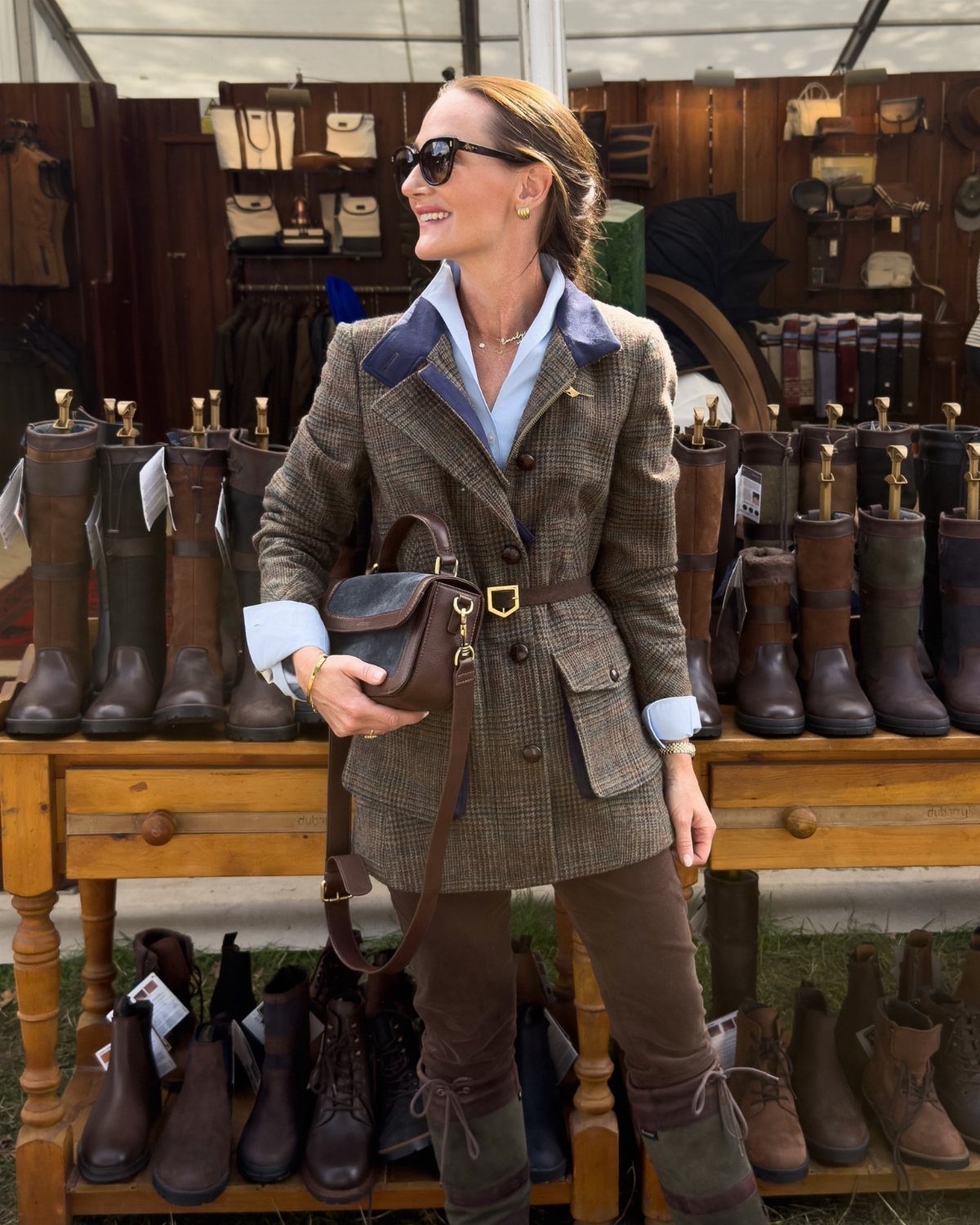
A brown plaid suit reads as country-weekend tailoring rather than boardroom formal when the blazer is belted and the shirt underneath is a soft blue oxford.
Keeping the palette warm makes the difference: camel, rust, or chocolate plaids feel current, while black-and-white checks land closer to waitress uniform.
For anyone in a warmer fall climate, this works unlined and sleeveless underneath. Roll the cuffs to show the shirt, or leave them down for actual cold days.
I would not buy the set as a matched suit unless both pieces fit independently. A blazer that needs its trousers to make sense is half a garment.
Wear the jacket with jeans, the trousers with a cream knit, and the full look only when the occasion calls for it.
16. Faux Fur Coat
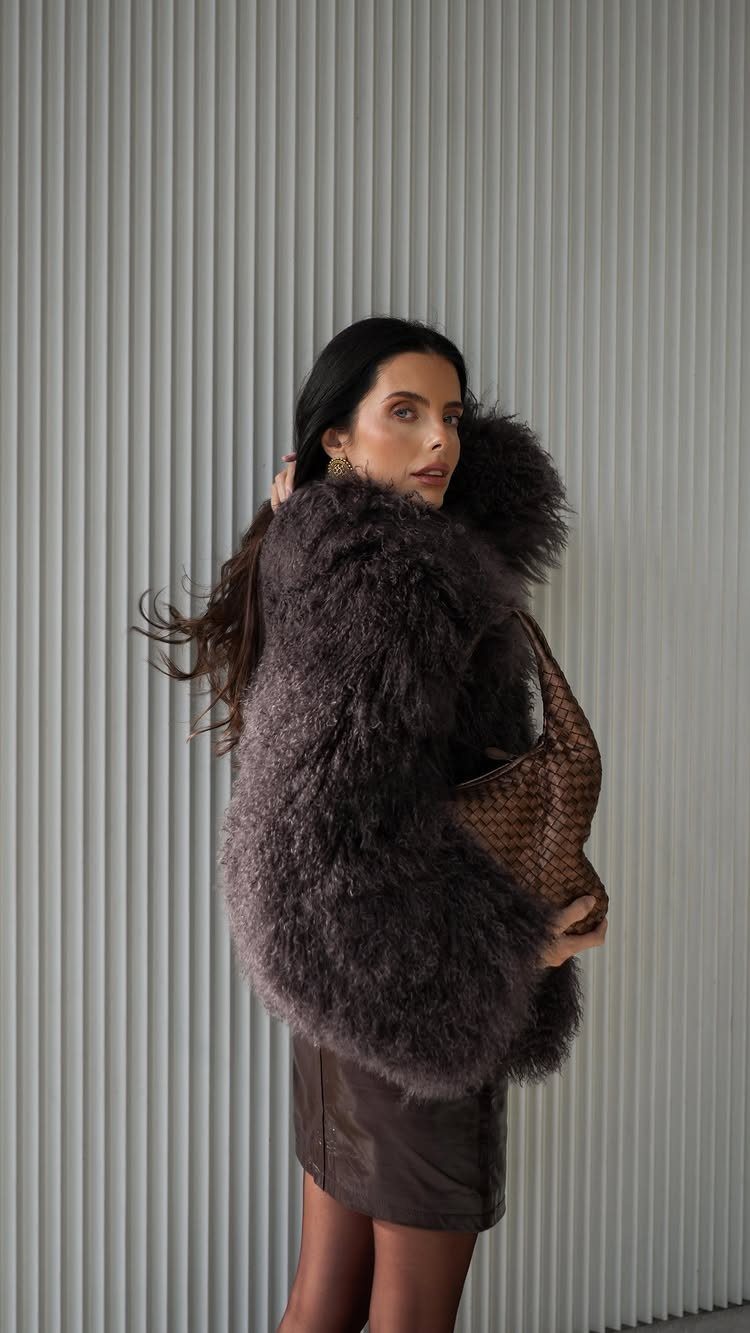
Volume is what a faux fur coat is for, so the question is how much drama your routine can absorb.
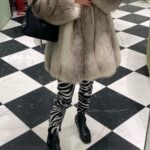
A midi-length grey pile over a leather mini reads evening; the same coat over straight-leg jeans and sneakers reads street-style editorial on a Tuesday.
The texture does the work, so everything else stays quiet. Smooth leather, fine-gauge wool, or bare legs underneath give the coat something to contrast against.
Avoid cable knits or tweed; the textures fight and you end up looking bundled rather than dressed.
Check the pile direction in daylight before you commit. Cheaper fur catches light unevenly and mats at the seatbelt line after two drives.
A coat that looks expensive in the store but tired by Thanksgiving is a rental, not a purchase.
17. Maxi Dress with Floral Jacket
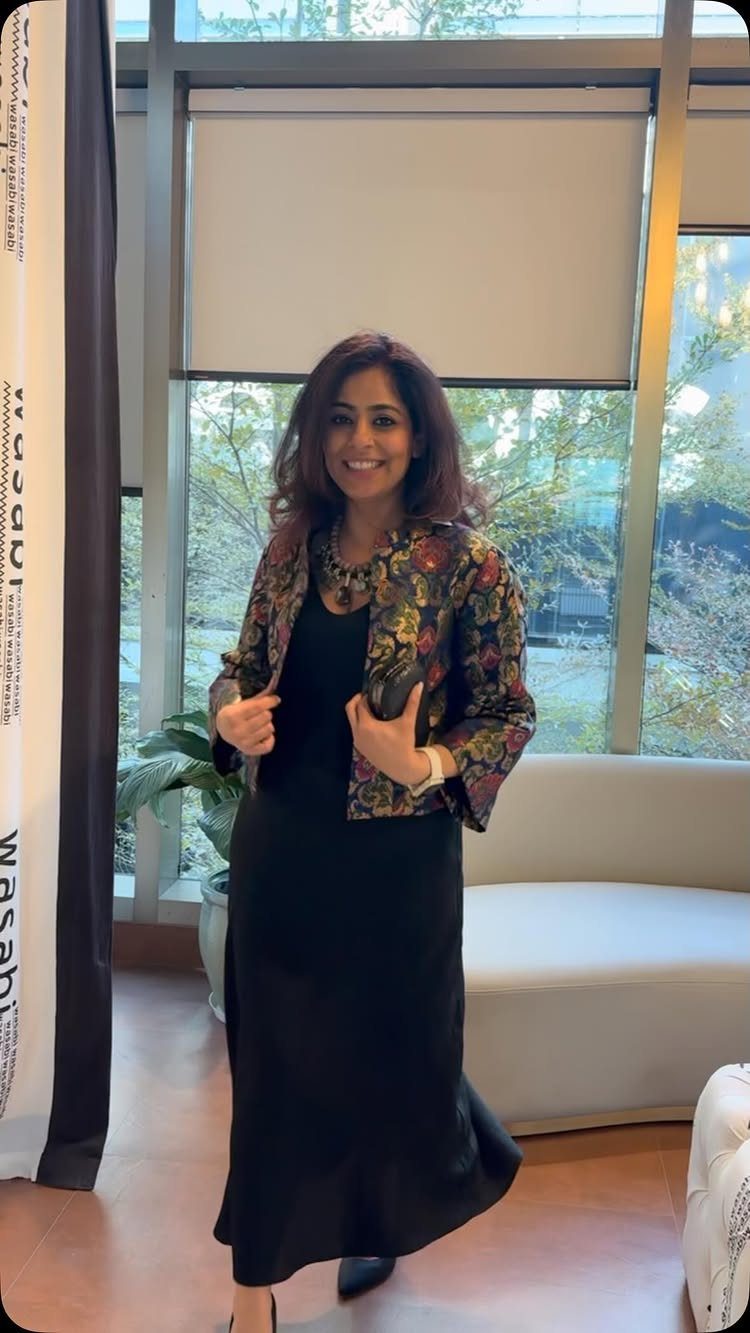
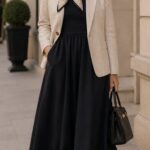
A long black dress under a short dark floral jacket solves the problem of summer maxis that refuse to retire.
The dress provides the length and the jacket provides the pattern; together they read as intentional fall layering rather than stubborn season denial.
The proportions matter more than the print. The jacket should hit at the high hip or above; anything longer and you have two competing hemlines.
Pointed shoes underneath keep the line vertical, which the eye needs when the top and bottom are busy fighting each other.
For work, a solid blazer replaces the floral and the look shifts entirely. For dinner, the floral stays and the shoes get swapped for something strapped.
The dress itself does not change, which is exactly why building around a foundation piece that actually fits works.
Investment Dressing
Fall dressing that actually holds up comes from three calls you make before you buy. A clean silhouette beats loud prints and gimmicks every time; shape is what people register first.
If you can’t wear it ten times, leave it. One-and-done pieces are the fastest way to shrink your closet and your budget.
Clothes worth owning should shift from desk to dinner with a shoe change or a swap of jewelry, not a full rebuild.
Your seasonal closet doesn’t need an overhaul. Find simple tweaks, inspired by street style, to revive your favorite pieces.
Color Palette
Sweaters, blouses, and anything that sits close to your face work better in creamy oat, warm ivory, or soft camel, which keeps darker outfits from going flat.
Navy, espresso, and charcoal give you the depth of black without the weight that can flatten skin tone in low fall light.
Muted plum, burnt orange, or terracotta work best as accents: a bag, a shoe, a scarf, or one statement piece.
Burgundy and deep brown read cozier than black in photos, match what you already own, and somehow look more expensive, not less.
Comfort and Versatility
Accessories do the heavy lifting when you need one outfit to stretch across a whole day. A smaller bag in place of your tote changes the register without touching the clothes.
Add a stronger earring. Adjust the top layer.
Comfort and versatility aren’t opposing forces. A piece that actually fits your life, sitting to standing, morning to evening, is the one that earns its hanger space.
Frequently Asked Questions
What are the fall trends for women?
This season, the pieces that earn their place are midi skirts in rust or navy, chunky knits with intentional proportions, and earth tones like olive, burgundy, and chocolate brown worn as advanced neutrals.
Suede accessories, funnel neck jackets, and retro denim in straight-leg cuts also carry through real life without looking disposable.
What are some trendy looks for fall 2026 fashion?
Brocade jackets in deep green or gold, varsity style with navy and white striping, and statement blouses with waist ties or puff sleeves are the bolder directions this season.
Shearling outerwear and slip dresses layered over turtlenecks also read current without chasing every trend.
What are some good fall outfits for women over 50?
The best approach is choosing shape over noise and buying for repetition.
A midi skirt in a fluid fabric moves from morning to evening, earth tones like navy and deep brown function as richer-than-black neutrals, and a funnel neck jacket adds polish without a scarf.
One trendy accessory, like a suede bag, tests a direction before a bigger investment.