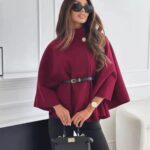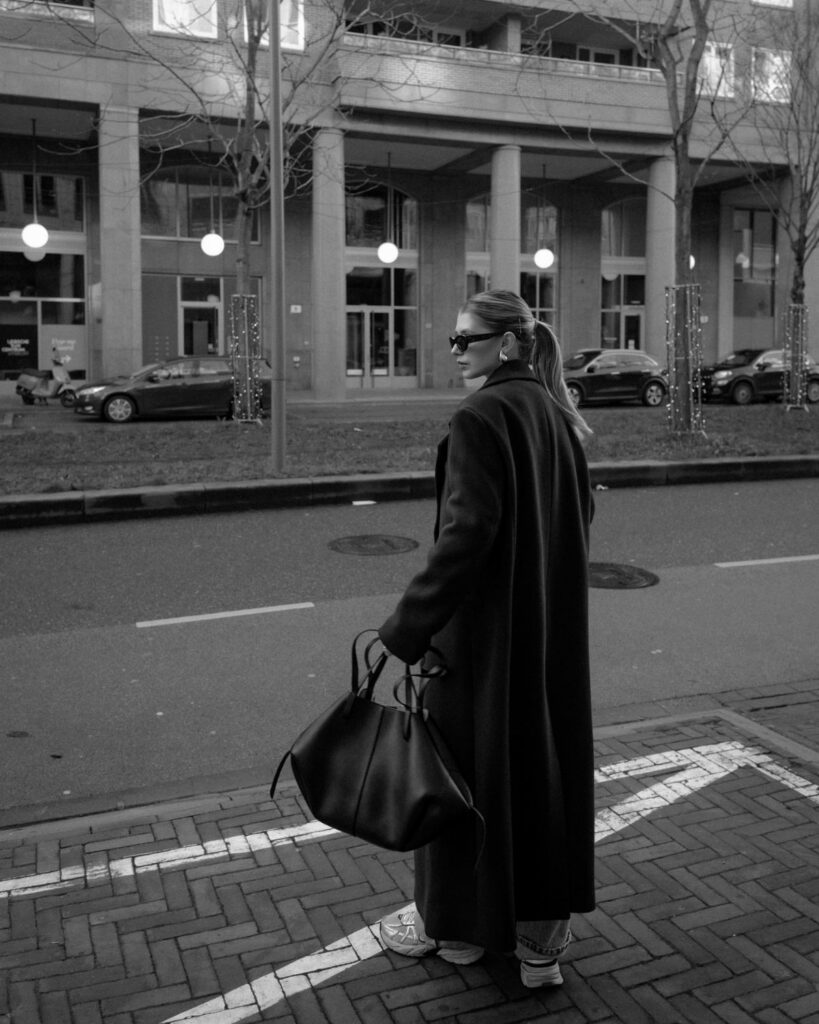
An oversized coat outfit can read as accidental or intentional depending on what sits underneath and how you handle the volume, and the list below covers every angle: keeping it simple, belting it, going monochrome, adding bold color, choosing tailored trousers, picking between a scarf or turtleneck, accessorizing, playing with proportions, wearing it with dresses, balancing those proportions, and choosing the right coat to begin with.
The deciding factor is your own shape and the occasion you’re dressing for, not the coat’s price or where it came from, and the nine ideas below start with the simplest approach and work outward.
1. Keep It Simple
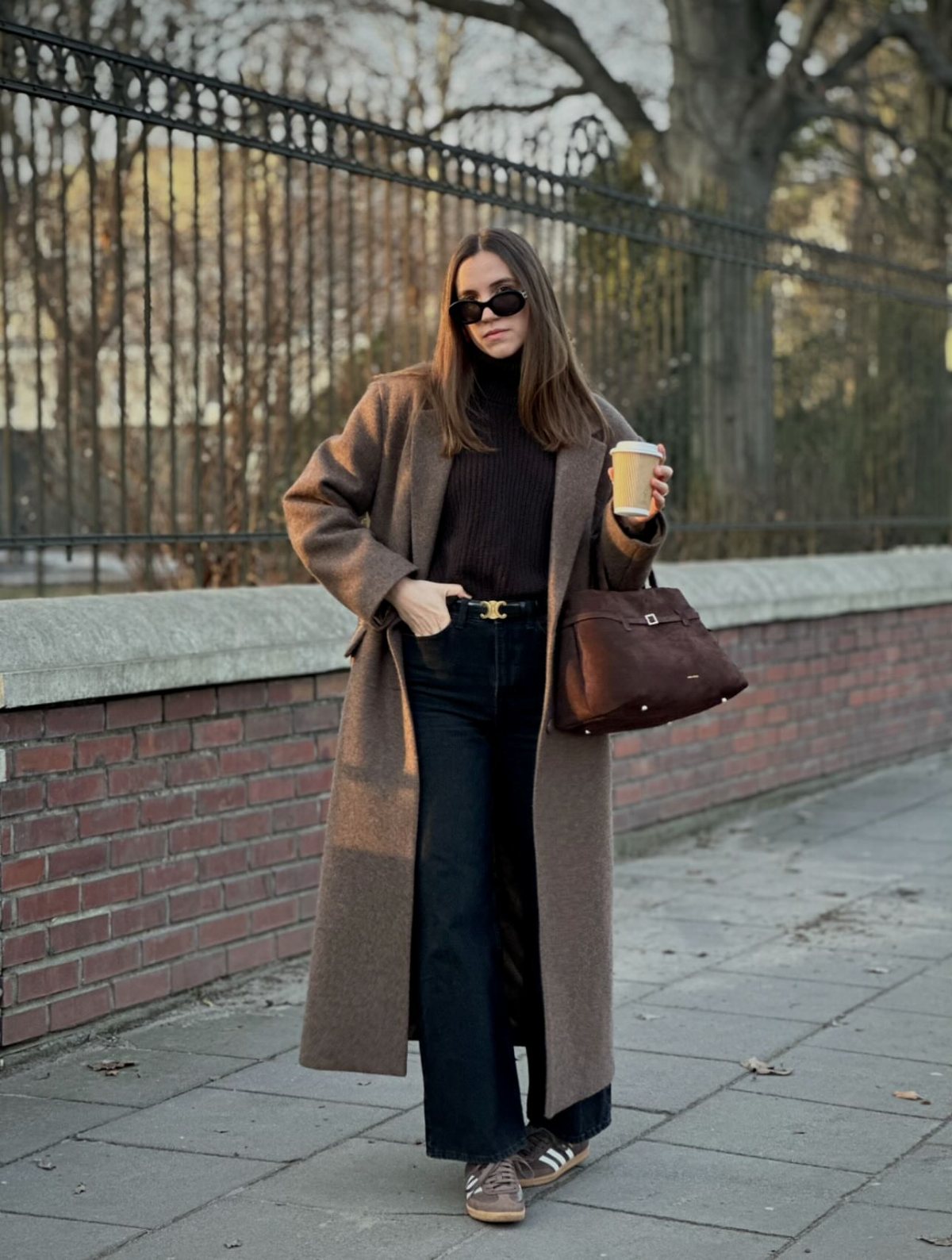
A brown wool coat that hits near the ankle needs almost nothing else to read intentional. I reach for a black turtleneck, dark jeans, and the same sneakers I wear grocery shopping, and the coat still carries the outfit.
The mistake is adding a third layer, a statement bag, or jewelry that competes. One focal point is the point.
If your coat is patterned or textured, the turtleneck becomes a crewneck and the jeans turn lighter; the structure stays the same.
This works on every body type because the vertical line of a long coat does the shaping for you.
A thin layer underneath means the coat itself has to carry the warmth, so check the fabric weight against your usual winter.
2. Belt It
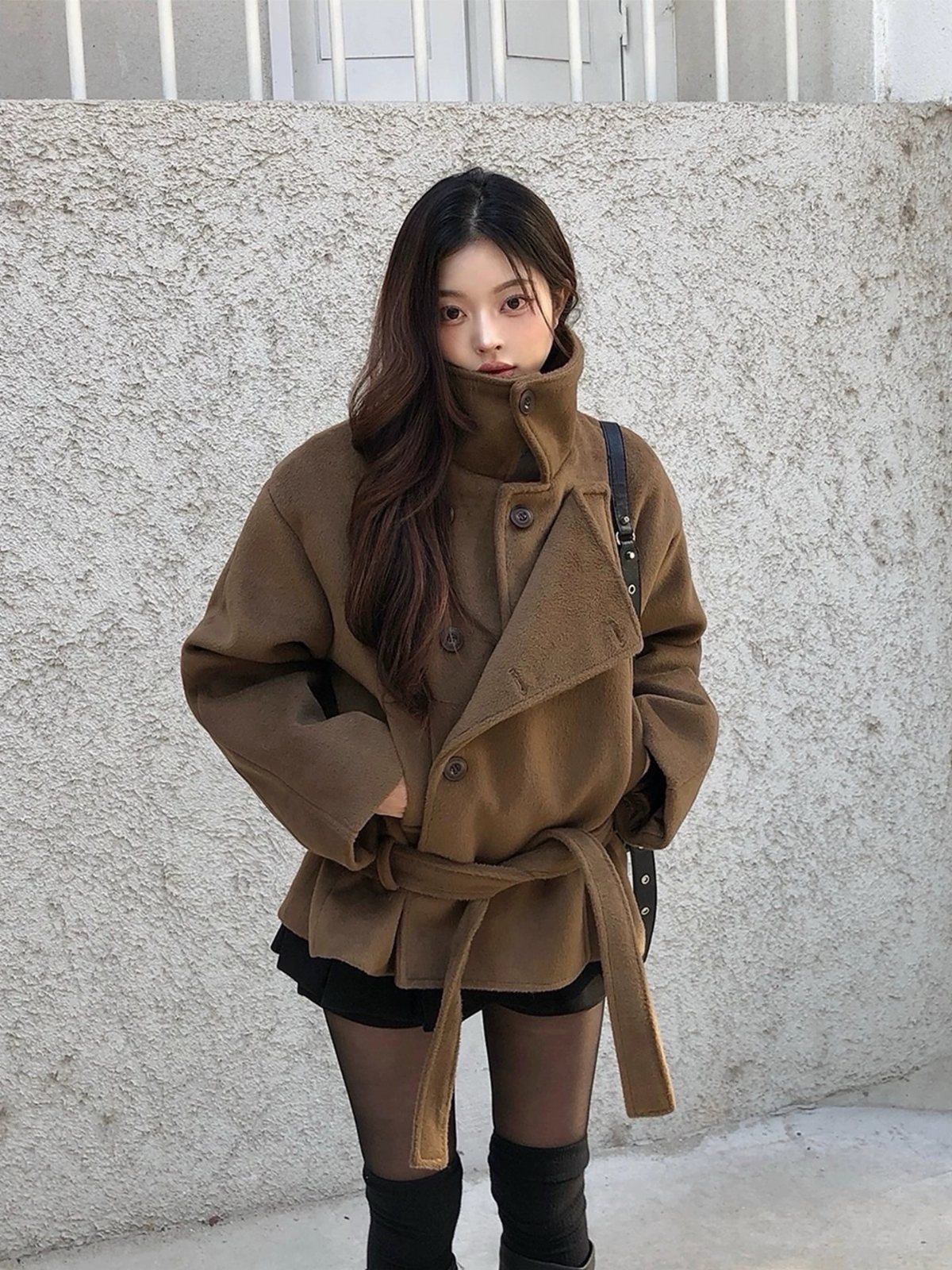
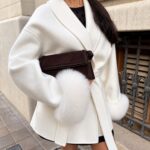
Volume without shape reads as accidental. A belt, especially in the same fabric as the coat, turns the excess into something you chose.
I belt over the coat when the hem is long enough that cinching still leaves coverage at mid-thigh. Underneath, a slim leg in black tights or leather pants keeps the lower half from competing.
The belt itself can sit at the natural waist or higher; higher works better on a shorter torso.
A matching fabric belt looks built-in, but a gold chain belt or a slim leather one adds contrast if the rest of the outfit is quiet.
The silhouette this creates suits anyone who wants waist definition without removing the coat’s drama.
3. Monochrome Outfits

One color from neck to toe, varied only in shade and texture, lets an oversized coat settle into an outfit rather than floating on top.
A single column of color works best when every piece shares the same temperature: cool greys with cool blacks, warm camels with warm creams. The hat or shoes can anchor the shade without breaking the line.
I build these outfits from the coat outward. A camel coat wants camel, cream, and chocolate; a black coat takes charcoal, slate, and true black.
The eye reads the single palette as length, which helps if the coat’s volume worries you.
Pattern or a flash of contrast still works, but I keep it small: a lining that shows when you move, a sock, a bag strap. The rest stays in the family.
4. Use Bold Colors
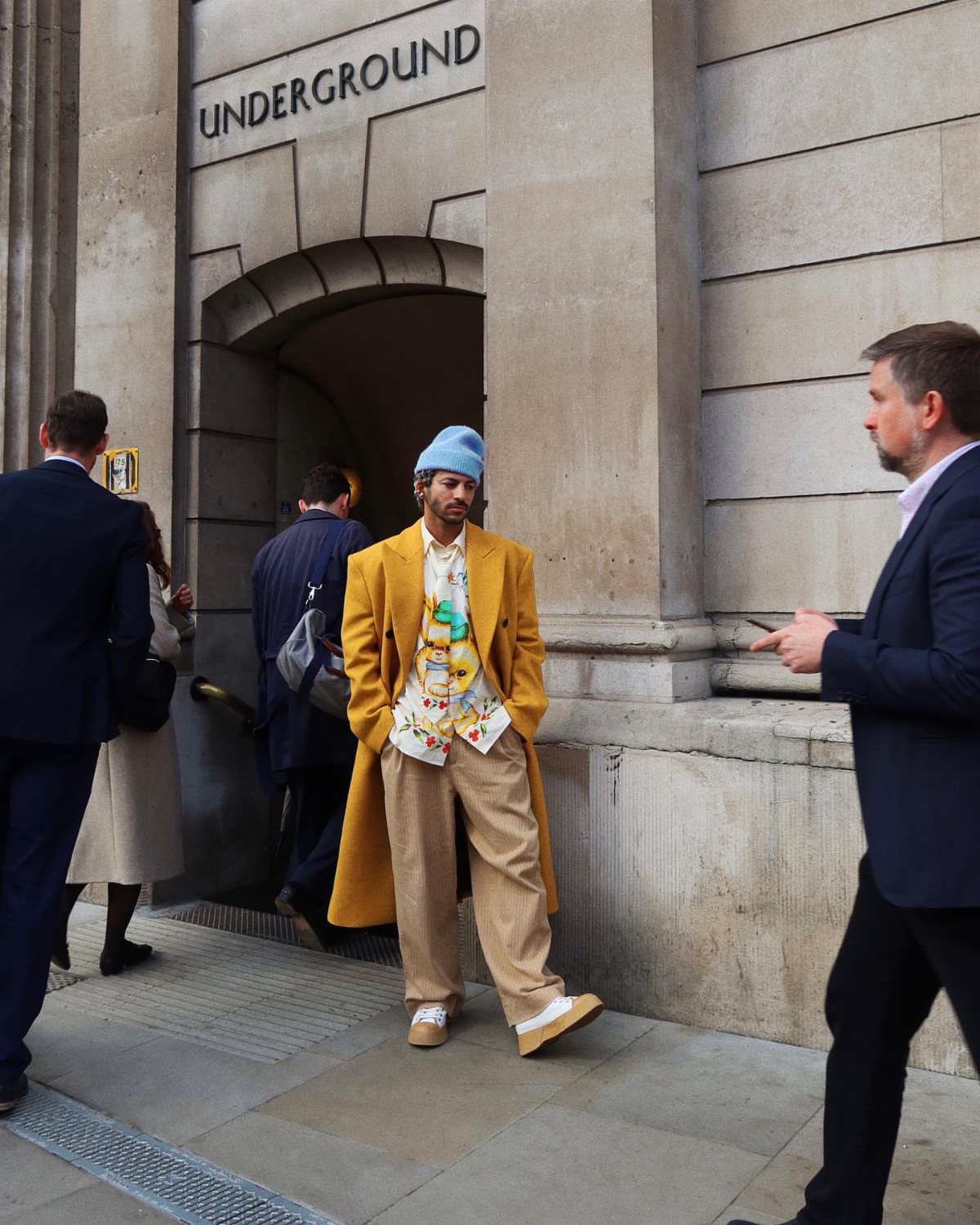
A mustard coat against a grey city reads as confidence, not costume, when the pieces around it know their place.
I choose the bold coat first, then build. Neutrals in the rest of the outfit are not surrender; they are the frame that makes the color possible.
If your coat is patterned, the supporting pieces go solid and in one of the pattern’s own colors.
This asks more of the wearer than a neutral. A bold color in outerwear means you will not blend into the same navy-and-black line at the door.
5. Opt for Tailored Trousers
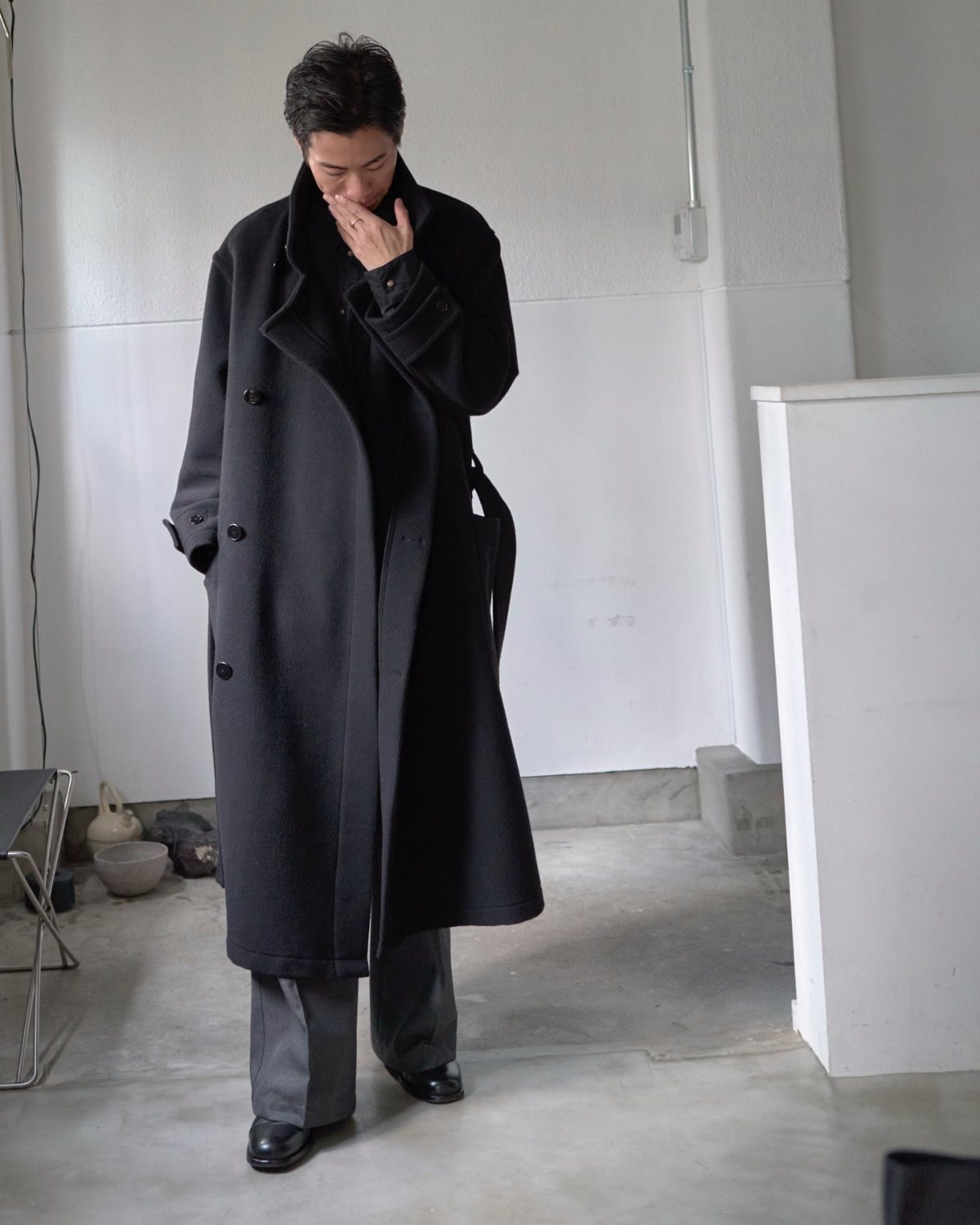
Tailored trousers give an oversized coat a reason for its volume.
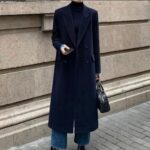
I wear this to the office with a black turtleneck and black coat over grey trousers, or reverse it with a grey coat and darker pants.
The trouser should break cleanly at the shoe; a puddle or a crop both work, but anything in between looks undecided. Wide-leg trousers relax the formula, slim ones sharpen it.
The cost runs higher than jeans, but the per-wear math improves if this becomes your default winter uniform for any setting that matters.
6. Scarf or Turtleneck?
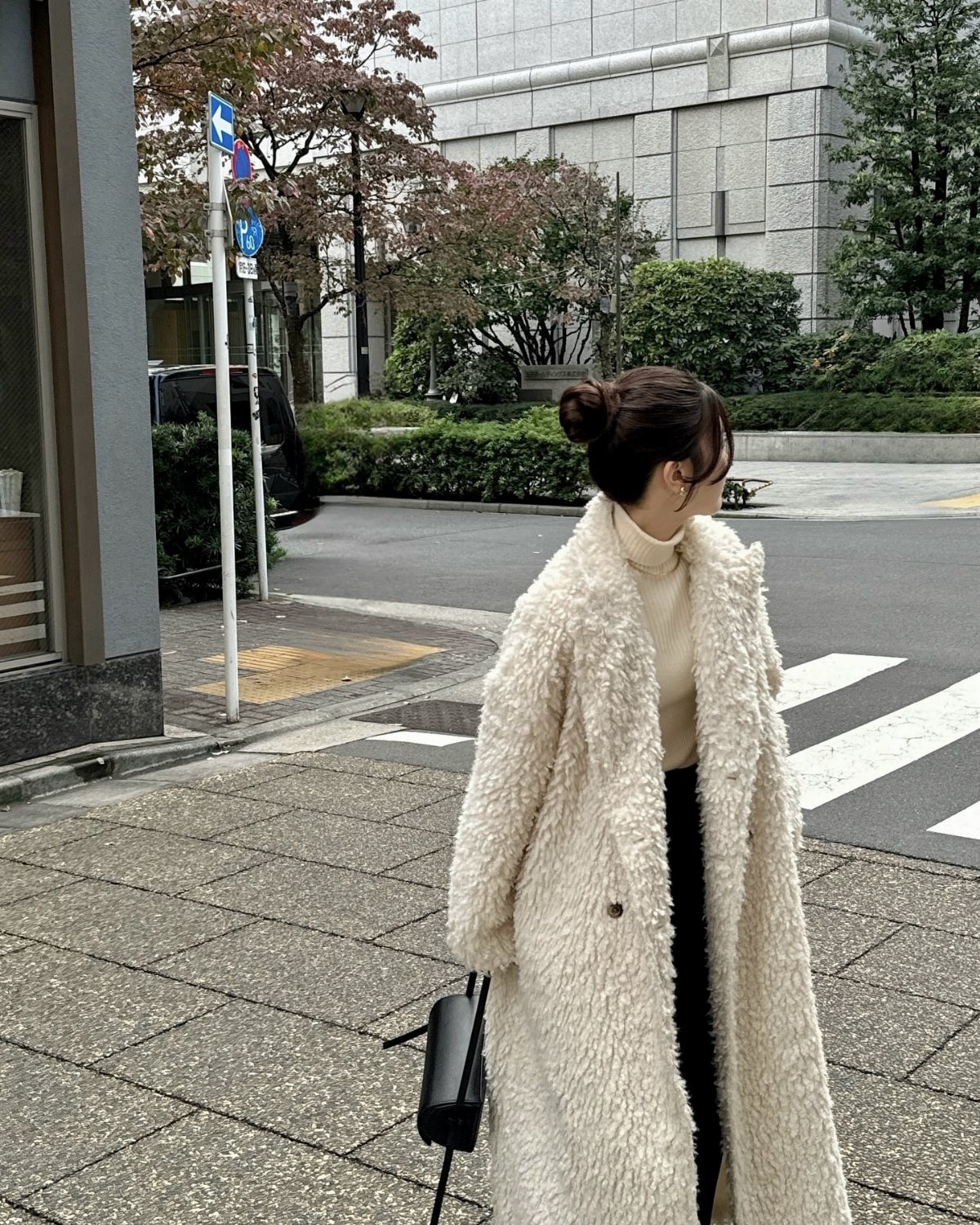
The turtleneck school keeps the neck warm without adding bulk; the scarf school leans all the way in and wraps thick wool over the coat’s own volume.
I reach for a scarf when I need to move freely, and a turtleneck when the cold starts to bite.
A fine-gauge cashmere or merino turtleneck in a tone close to the coat reads as extension rather than layer.
A thick scarf, by contrast, needs contrast in color or texture to look deliberate, not like you forgot to take it off indoors.
A teddy coat in cream takes the turtleneck route well; matching the beige through the whole silhouette keeps the shape from getting busy.
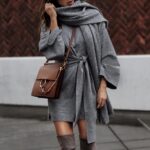
For the scarf version, I’d choose charcoal or camel against the same coat, wrapped once and left long.
7. Accessorize
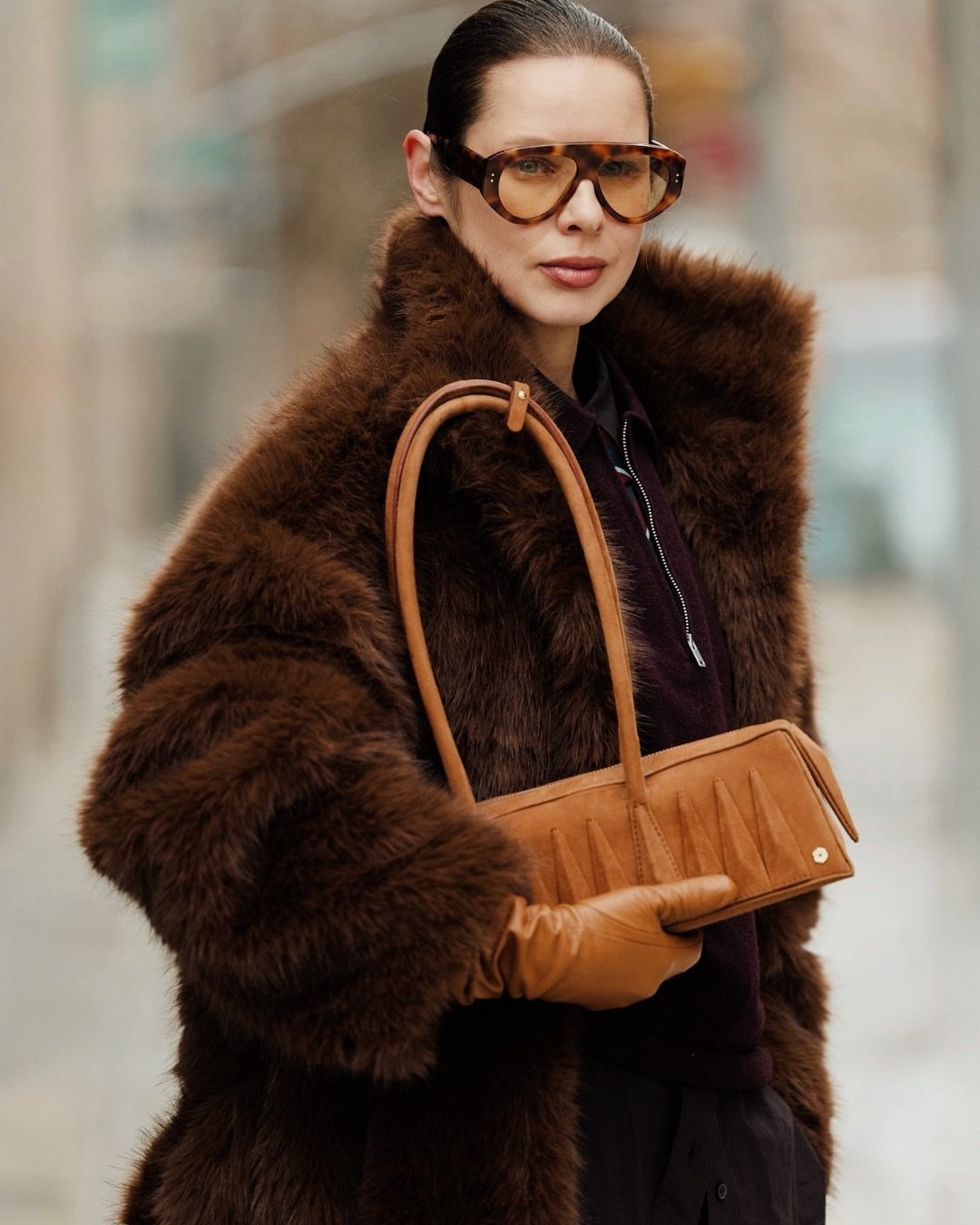
A single well-chosen accessory lands harder than a full set. Sunglasses, gloves, and a bag in matching tan keep the coat the story instead of letting accessories compete.
The oversized coat already takes up visual room. Piling on a beanie, XXL scarf and bulky bag at once turns the silhouette into a shapeless heap.
One strong piece does the work of three.
Matching accessories to the coat’s tone lets the shape read clean; one deliberate contrast, like a scarf and hat in a single color that pops against the brown, gives the eye somewhere to land without chaos.
Gloves matter more than people expect. Hands stay in frame every time you hold a phone or a coffee, and bare fingers against a heavy coat can look accidental.
Leather in a tone that echoes the bag ties the whole thing together.
A sweater draped over the shoulders works as a backup layer that also reads as intentional. It breaks up the back line and gives you something to actually put on when the temperature drops.
More than a passing trend, the oversized coat has become a new classic.
8. Play with Proportions
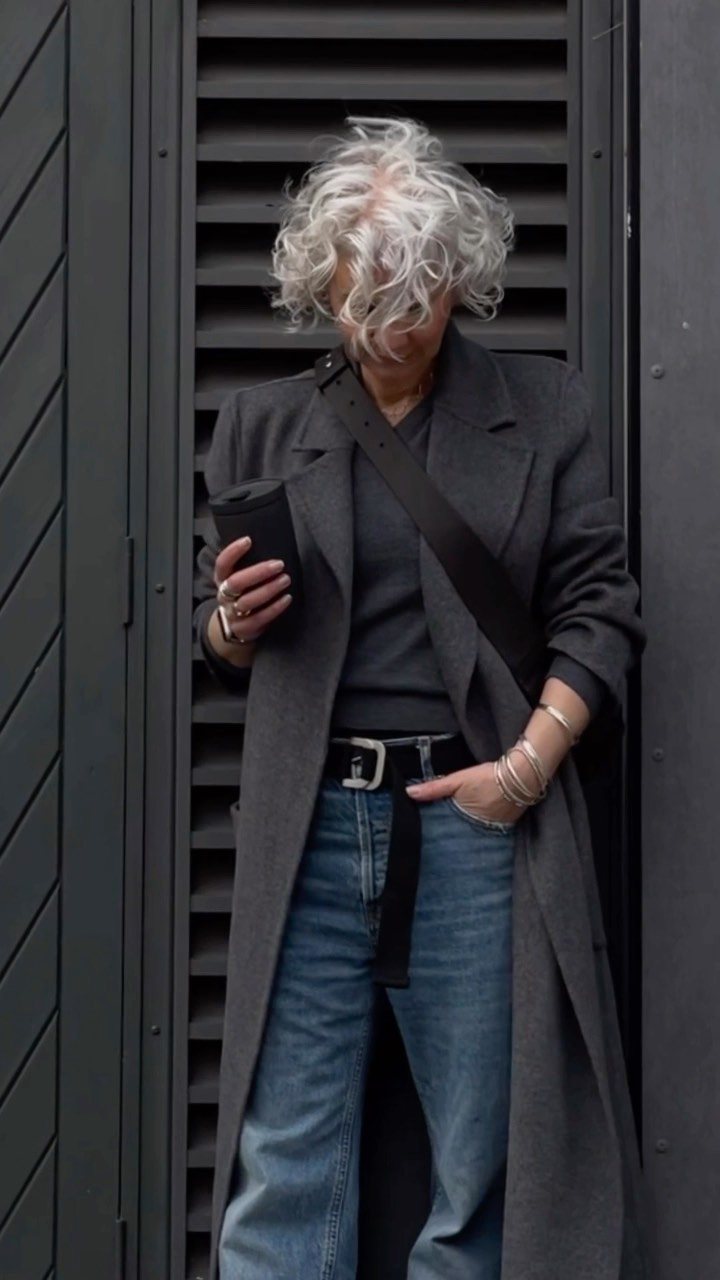
Wide legs under a long coat used to feel like a risk of drowning in fabric. Now it reads as deliberate proportion play, the kind of thing that signals you understand your own shape rather than fighting it.
The coat here hits mid-calf, the jeans equally generous below. What saves it is the belt breaking the vertical line at the waist, so the body still registers as having one.
Without that anchor, the silhouette becomes a tent; with it, the volume has a reason.
This pairing suits straighter builds best, where the extra fabric doesn’t add width to existing curves. If you’re narrower through the shoulder, the coat’s volume balances against the leg’s sweep instead of stacking it.
Petite frames can do this, but the coat needs to be the only oversized piece; let the jeans be full rather than enormous, and keep the shoe sleek so nothing drags at the floor.
A travel mug in hand reads like a commuter who grabbed the coat on the way out, not someone who planned the proportions.
This is a real-day outfit, not a styled moment, and that practicality is what makes the proportion experiment wearable rather than costume.
9. Wear with Dresses
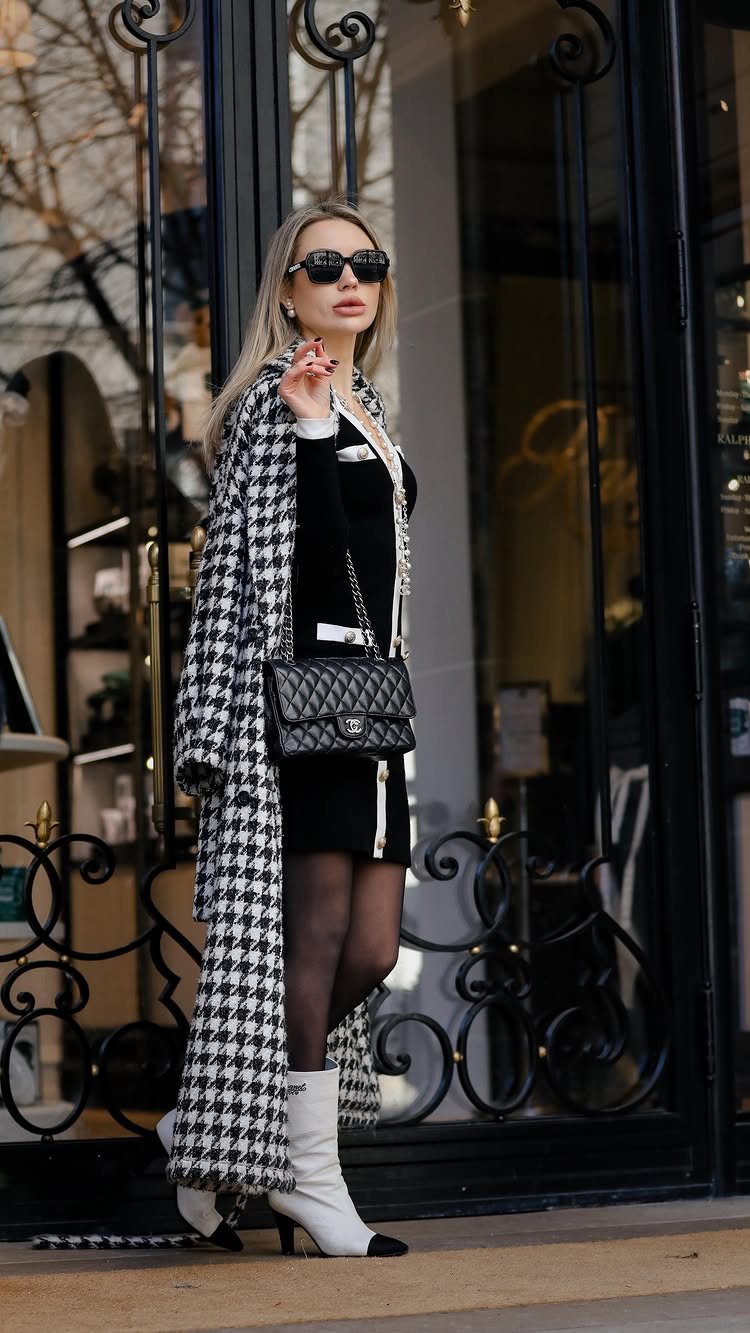
Throwing a coat over a dress sounds like the simplest layering move until you do it wrong and look like you grabbed a blanket on the way out.
The fix is contrast: the coat needs to be the relaxed piece, the dress the controlled one.
Above, the houndstooth coat hangs open over a mini dress that knows its own shape. The dress is fitted, short, deliberate; the coat provides the drama without competing for structure.
That opposition is what makes it work. Two oversized pieces, or two tight ones, and the eye has nowhere to rest.
Tights and a boot with some shaft height keep the leg from disappearing, which matters when the coat is long.
Bare legs and a delicate shoe would make the coat feel like it ate the outfit; the boot gives the look a base.
This approach flatters most when the dress has some architecture to it: a defined waist, a set sleeve, a hem that does something. A slip dress or something equally soft underneath turns the whole thing into a shapeless layer cake.
The coat adds presence; the dress underneath has to supply the form.
Balancing Proportions
The coat does the volume; everything below it does the line. A fitted bottom gives the eye a line to follow, so the coat’s volume has a counterweight.
Prints on the coat work better when the rest of the outfit stays quiet; the eye needs somewhere to land.
Boyfriend jeans read relaxed, distressed skinnies read trendier, high-waisted denim nods to eighties androgyny. All of them work because the coat itself supplies the edge.
The ankle is where the eye lands: keep it slim and tight, and the rest can do what it wants. That narrow exit is what balances the proportion.
Choosing the Right Coat
A dropped shoulder works if it stays within about two inches of where your real shoulder sits. That is the line between oversized and wearing someone else’s clothes.
Sleeves run slightly longer than standard: about one inch past the wrist bone, enough for coverage when you move, but not so much that they flap.
The dropped-shoulder trend has its moment, but a classic oversized coat stays wider without losing the shoulder point entirely. Length depends on what you already know about dresses.
The coat hem that works on you is the same one that works in a dress: knee, above, or below, wherever you already know you look right. For petite frames, knee length is the ceiling; higher is usually better.
Frequently Asked Questions
How can I style an oversized coat?
Balance the coat’s volume with fitted pieces underneath and keep accessories minimal. A black turtleneck and dark jeans let a long brown wool coat carry the whole outfit.
One focal point does the work; competing layers or statement jewelry push intentional styling into accidental territory.
What to do with a coat that is too big?
Belt it at the waist to turn excess fabric into a deliberate silhouette. A belt in the same fabric as the coat looks built-in, while a slim leather or chain belt adds contrast against quiet pieces underneath.
Cinch only when the hem stays long enough to cover mid-thigh after.
Are oversized coats in style in 2026?
Yes, oversized coats remain a fashionable choice. Oversized coats have settled in as wardrobe staples with real staying power, and the styling moves ahead of them keep getting better.