A winter coat outfit can mean a wool wrap that handles the office commute or a puffer that holds up through a full afternoon outside, and the list below sorts the options by how much weather they actually face.
The 13 ideas below split by that single question: how long you will actually be outside, and how cold it will get while you are there.
1. Wool Brown Coat + Tote + Boots
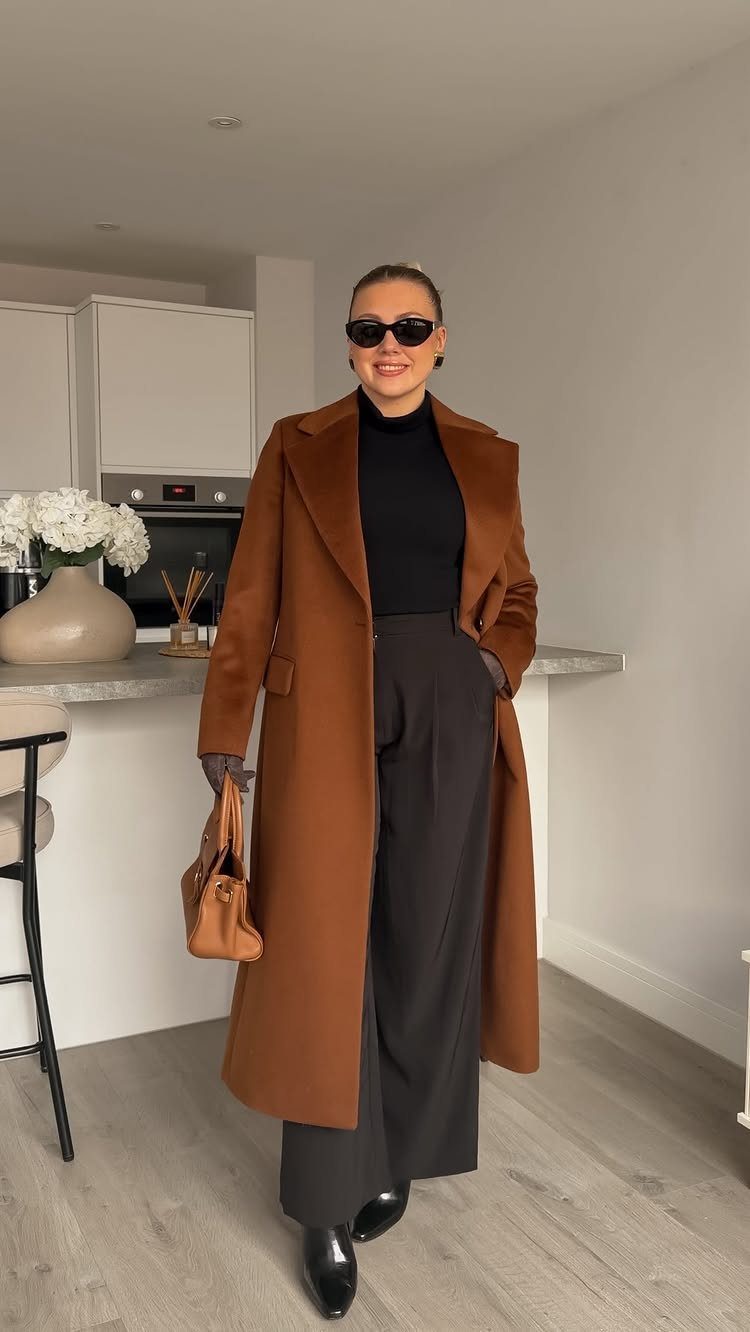
Brown wool holds heat better than most synthetics, and a shade between camel and chocolate pairs with black without looking harsh.
The cut is long enough to wear over a blazer but not so full that it swallows a streamlined base layer.
The maker sized hers at a US 6; if you are between sizes, the shoulders matter more than the chest in this cut. Mango runs similar silhouettes for less than the Me + Em original.
This one suits anyone who commutes in real cold but needs to look pulled-together at the destination. Wool this warm is heavier than down, which is the price you pay for the structure.
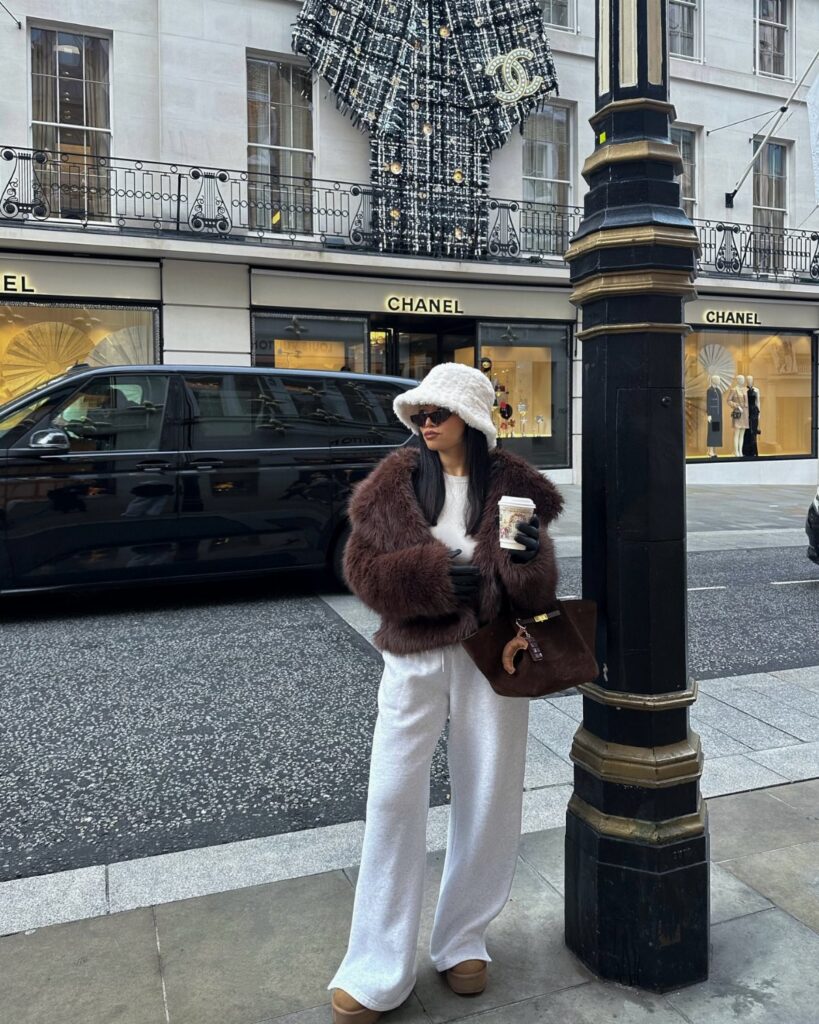
2. Faux Fur Coat
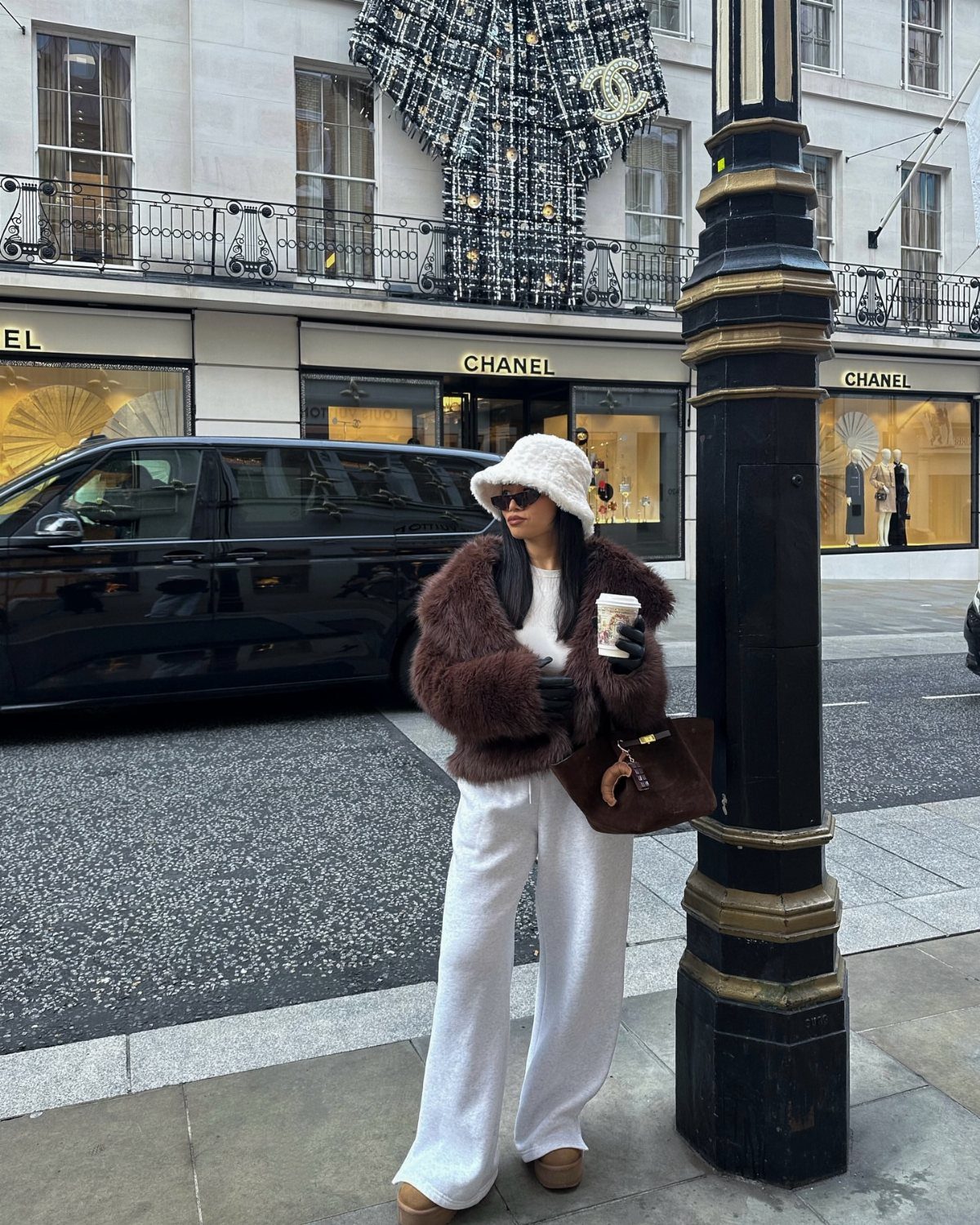
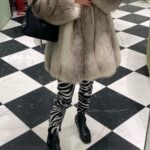
Faux fur reads evening by default, but a cream shade and relaxed trousers pull it toward daytime. The texture does the work, so the rest of the outfit stays quiet.
A cropped cut works over dresses; a full-length version needs room to move, so keep the layer underneath slim.
The maker wore hers at least twenty times in one season, which is the math that justifies the price: cost-per-wear drops fast on a piece this versatile.
Best for someone who runs cold in social settings and wants one coat to carry from errands to a dinner reservation.
3. Parka
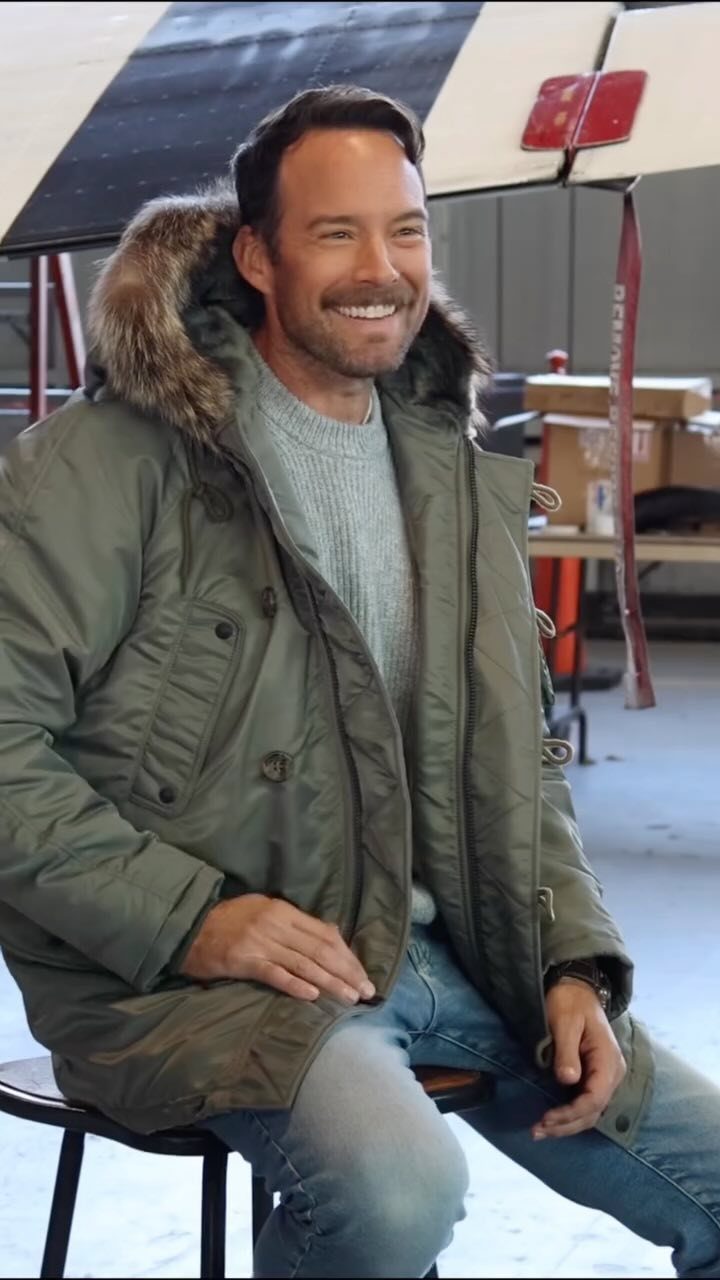
An olive parka with a fur-trimmed hood is one way to wear it, but the shape matters more than the color: long, insulated, with a shell that blocks wind.
The North Face builds these around 600-fill down, which is the threshold where a coat stops being a layer and starts being shelter.
This is the coat for the coldest mornings or any day you will be outside long enough to feel it.
The hood trim is functional; it breaks the wind across your face and buys you time before you need a scarf.
J.Crew usually marks these down for Black Friday. If you need one now, the factory line hits the same silhouette for less.
4. Classic Overcoat
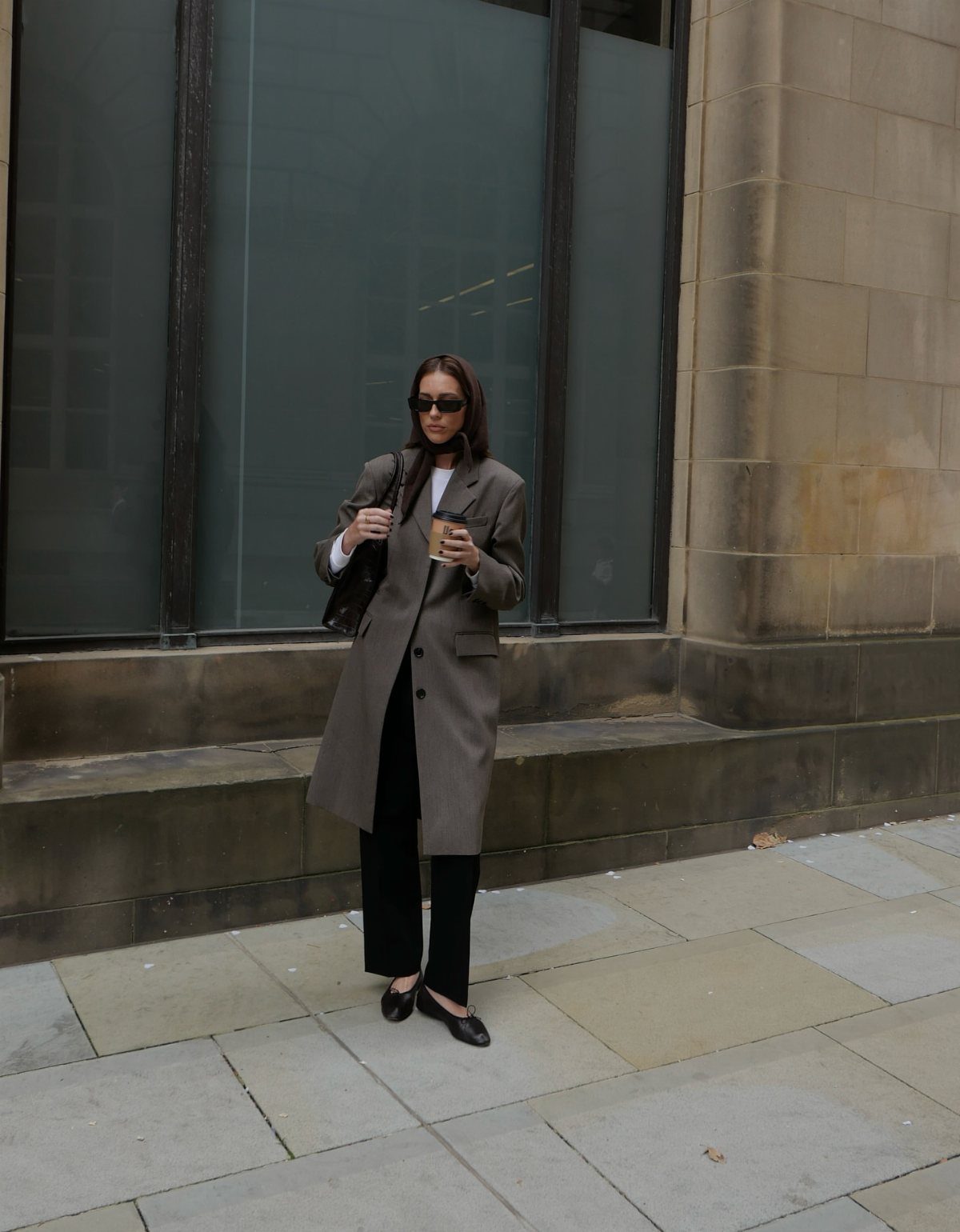
An overcoat in taupe or grey splits the difference between the severity of black and the maintenance of camel.
Worn with flats and a headscarf, it reads French; the same coat works with sneakers and a beanie if your office allows.
Everlane and J.Crew both cut these close to the body, which matters if you plan to wear a blazer underneath. A coat like this passes the test when the shape still looks current years from now.
For a softer line, add a detachable faux fur collar to a style you already own.
5. The Practical Puffer Coat
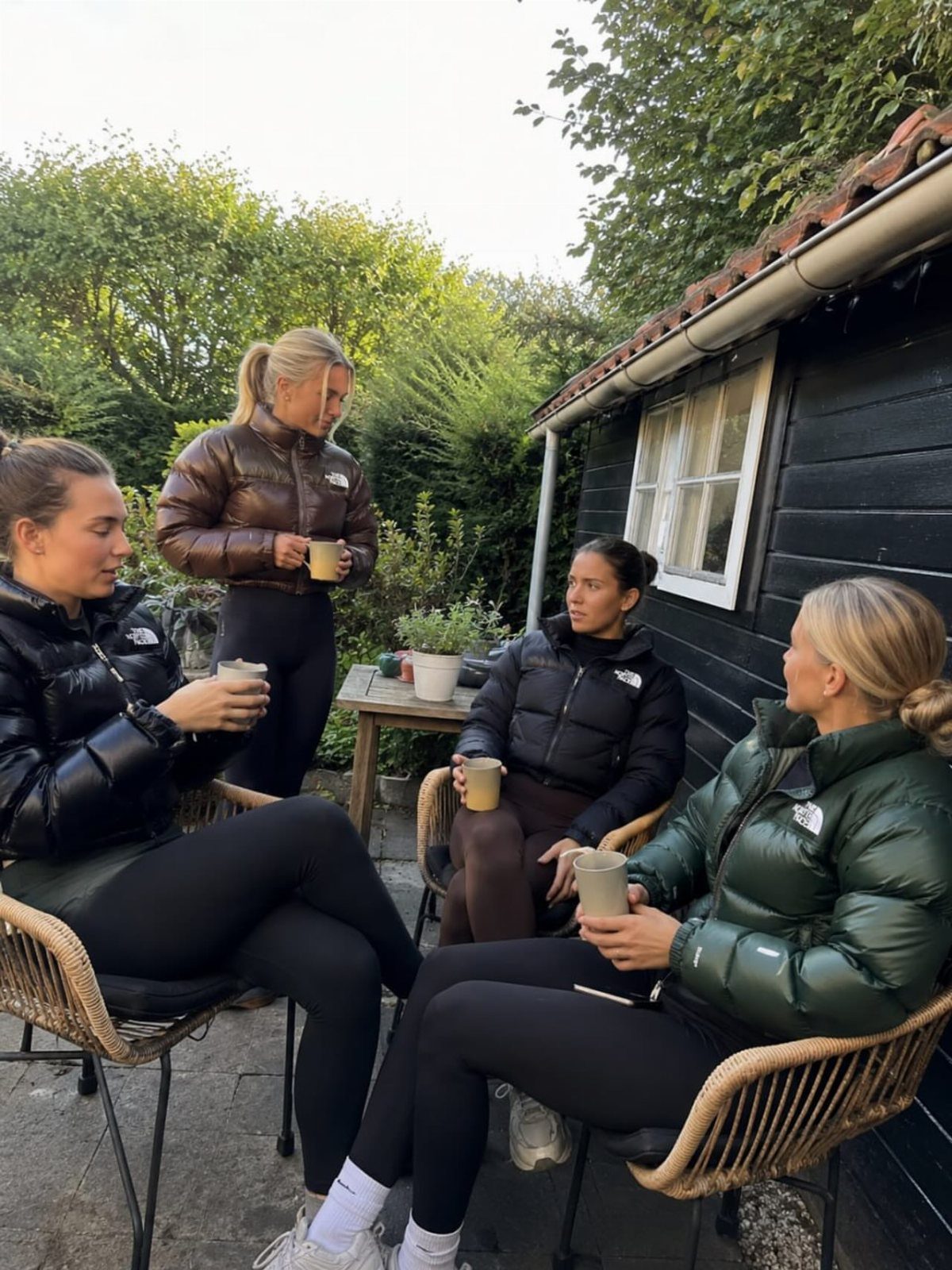
Recycled down insulation, the kind in the Everlane Re:New, traps body heat without the bulk that makes most puffers feel like wearing a sleeping bag.
A puffer coat lives in honest places: weekends, dog walks, any setting where function comes first.
The water-resistant finish and fleece-lined pockets are the details you notice after you buy it, when your hands stay warm and the snow beads off. A snorkel hood pulls tight against wind.
If you need to dress it up, the Bernardo Bundle Up in a mid-length cut crosses into work territory without looking like you came from the gym.
6. The Quilted Coat
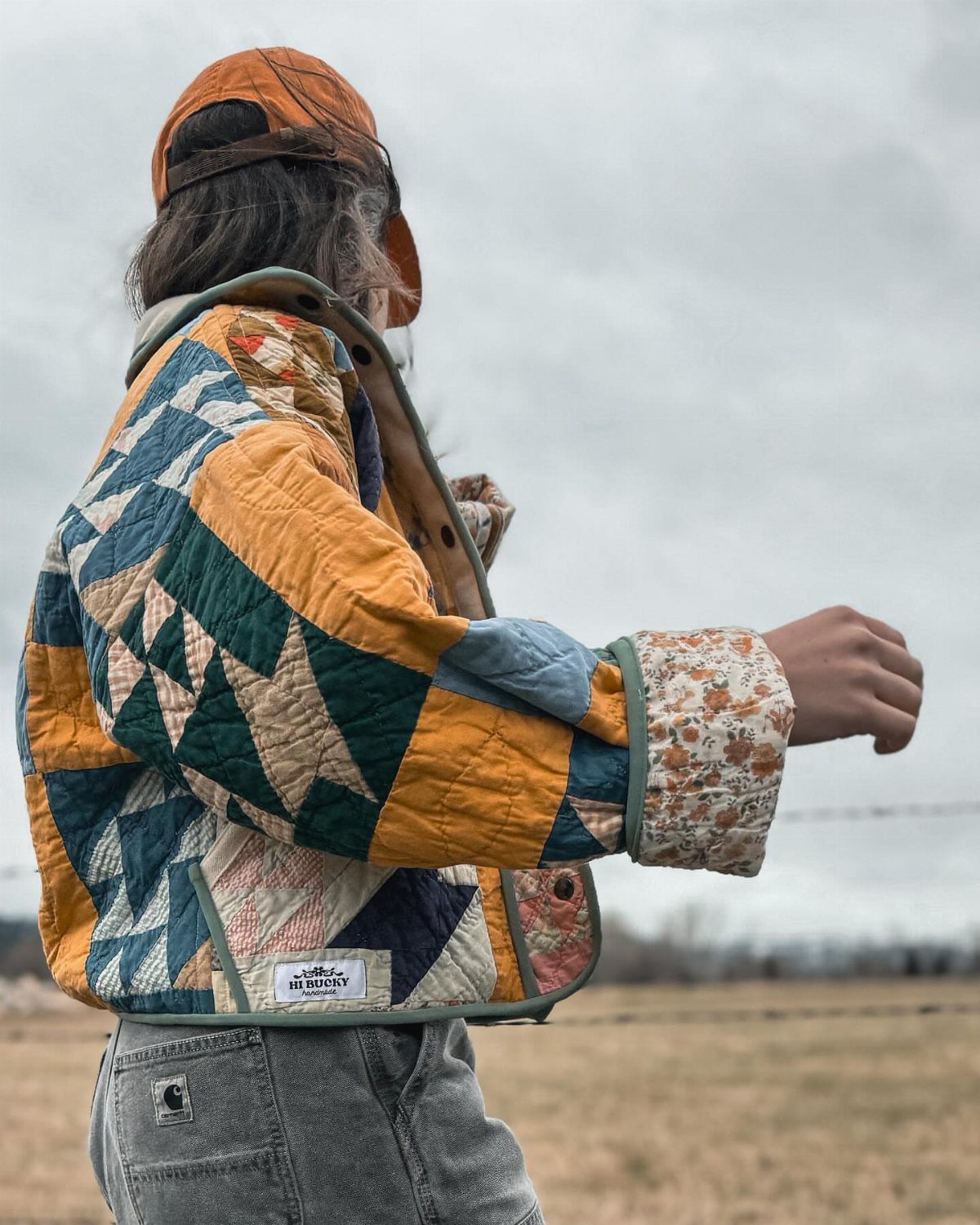
A quilted jacket is the piece you reach for when the day is cold enough to need something but mild enough that you do not want to carry a coat all afternoon.
Bold patchwork is one way to wear it, but the construction stays the same: narrow channels of fill, sewn flat so the silhouette stays close to the body.
The Burberry version that one maker still wears after ten years cost full price; she stalked a Bloomingdale’s points event to soften the hit.
For a similar shape without the wait, Amazon runs reversible liners with sherpa on one side, and Toteme cuts theirs with built-in cuffs that keep the sleeve from riding.
Best for climates where winter means layering, not hibernation.
7. The Blazer Coat
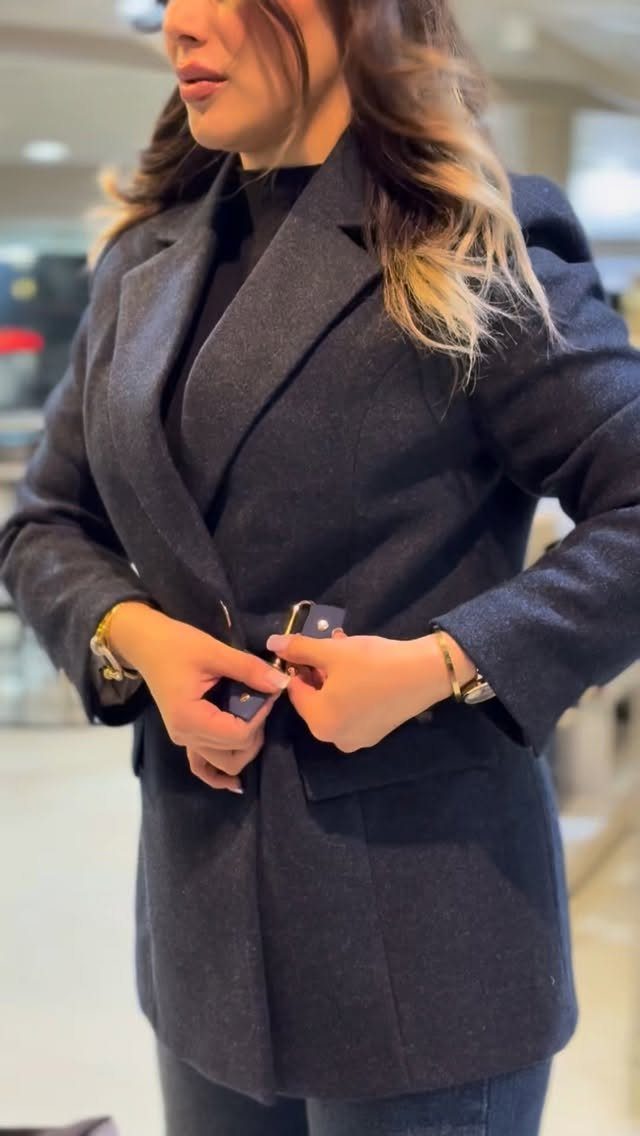
The blazer coat borrows the sharp lapels and nipped waist of office tailoring but cuts the fabric heavy enough to wear as outerwear.
I reach for mine on days when a meeting runs straight into dinner and I do not want to carry a second layer.
J.Crew makes one in this silhouette that runs true to size; the small gave me room for a thin sweater underneath without drowning the waist.
The belt or buckle detail matters more than the color, since the shape does the styling work.
It suits mild winters and transitional weeks better than deep cold. Once the temperature drops enough to demand real warmth, I switch to a real overcoat and accept the bulk.
8. Cape Coat + Mini Skirt + Knee-High Boots
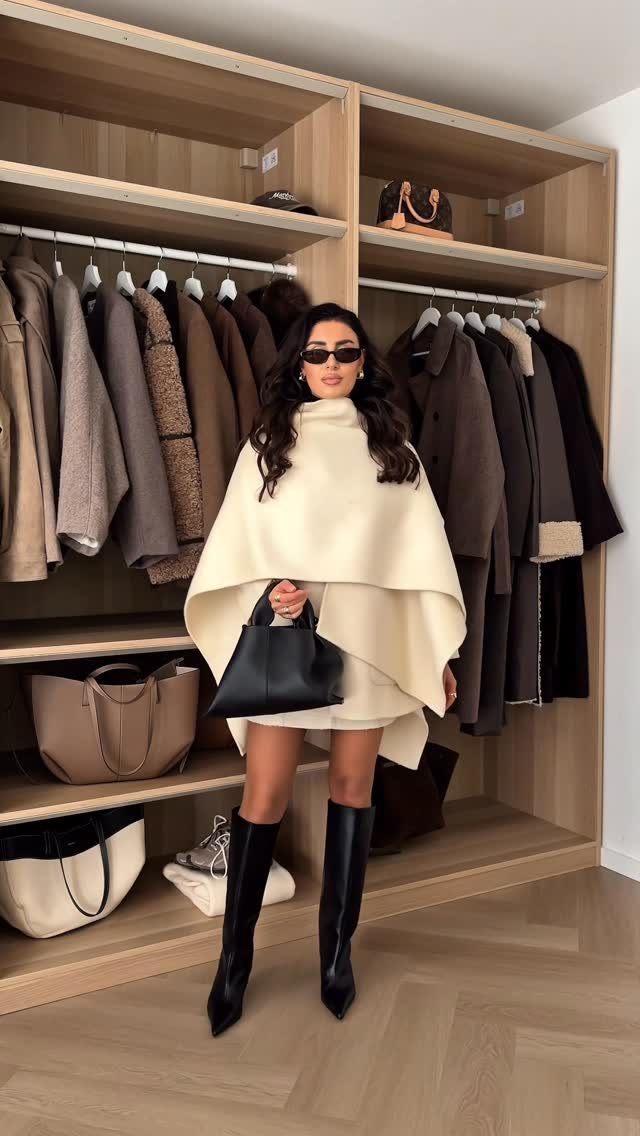
A cape coat breaks the silhouette you are used to, which is exactly why it reads as deliberate rather than thrown-on.
The volume up top needs a short hemline below to balance it; a matching mini skirt keeps the line clean instead of fighting the proportions.
Knee-high boots finish the gap and keep the look from feeling costume-y.
I would wear this for a date or an evening event where a puffer would kill the mood, though the open sides mean you are dressing for the car-to-door walk, not the sidewalk.
Size down if you are between sizes; the cut assumes movement underneath and can swamp a smaller frame.
9. Cape
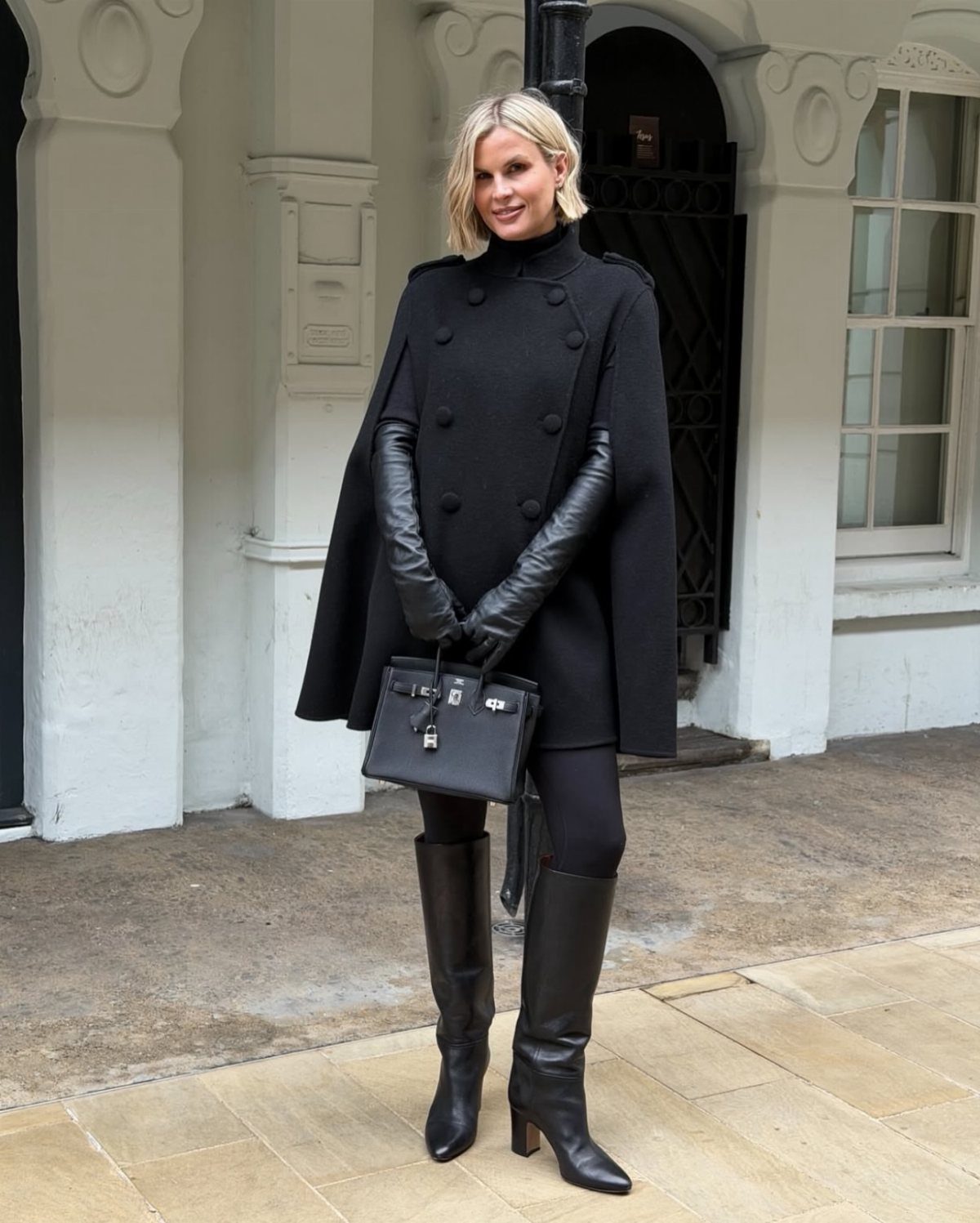
A cape is the piece I pull out when the temperature hovers in that forty-five to fifty-five degree dead zone and nothing else feels right.
A cape is a blanket with a fastening, which sounds lazy until you see how the structure changes a simple jeans-and-boots combination.
A double-breasted cut gives it enough tailoring to wear over a turtleneck to dinner; leather gloves and knee-high boots keep the arms and legs from looking bare against all that fabric.
For daytime, I would swap the boots to ankle height and add a crossbody bag to break the vertical line.
It trades away pockets and full coverage of wind, so I keep a scarf in my bag for the gaps. Best for someone who runs warm and wants one dramatic piece instead of a full outfit change.
10. Fur-Cuffed Coat
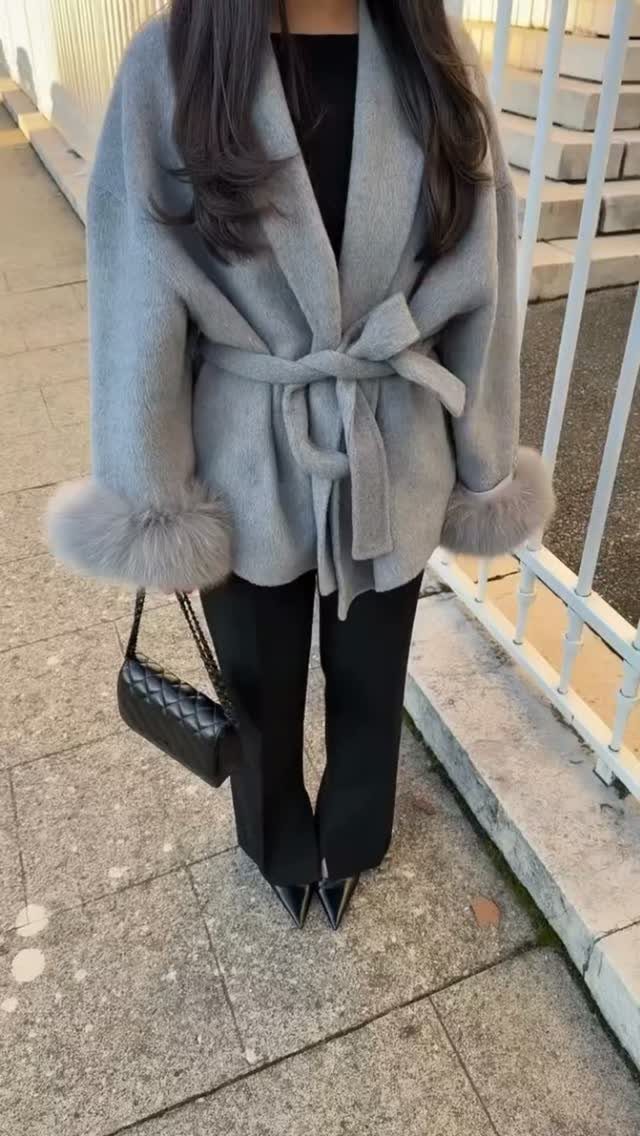
Fur-trimmed cuffs turn a grey wrap coat into something you actually notice across a parking lot. The trim is usually faux, which keeps the price reasonable and the maintenance simple.
I like this best when the coat itself stays quiet: charcoal, camel, or black wool lets the cuffs do the work. Keep the rest severe.
Black trousers, a black top, and pointed heels underneath mean you are dressed for the office even if the coat comes off. A quilted bag in black finishes it without competing.
The cuffs will pick up coffee and door grime faster than plain sleeves. Check whether they detach for cleaning before you buy; some do, some do not, and it changes how often you will reach for it.
11. Belted Cape Coat
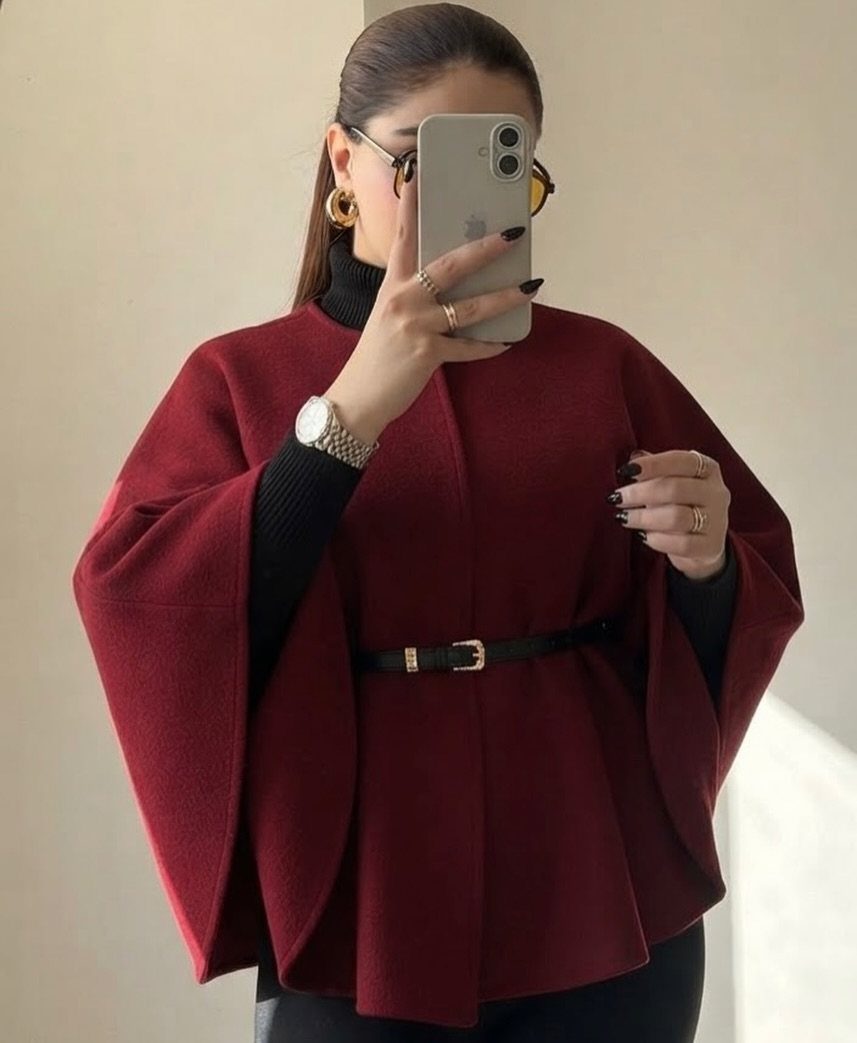
A belt changes a cape from costume into clothing. A thin black strap pulls the volume in at the waist, which keeps the silhouette from swallowing a smaller frame whole.
Wear it over a black turtleneck so the neck line stays clean; gold hoops and a watch add the only jewelry you need.
The wide sleeves mean your bag strap will sit awkwardly on one shoulder, so plan to carry it by the handles or go hands-free.
This shape works for hourglass and rectangle bodies that want to add definition. If you carry weight through your middle, the belt emphasis can work against you; an unbelted cape is the better move.
12. Statement Leopard Coat
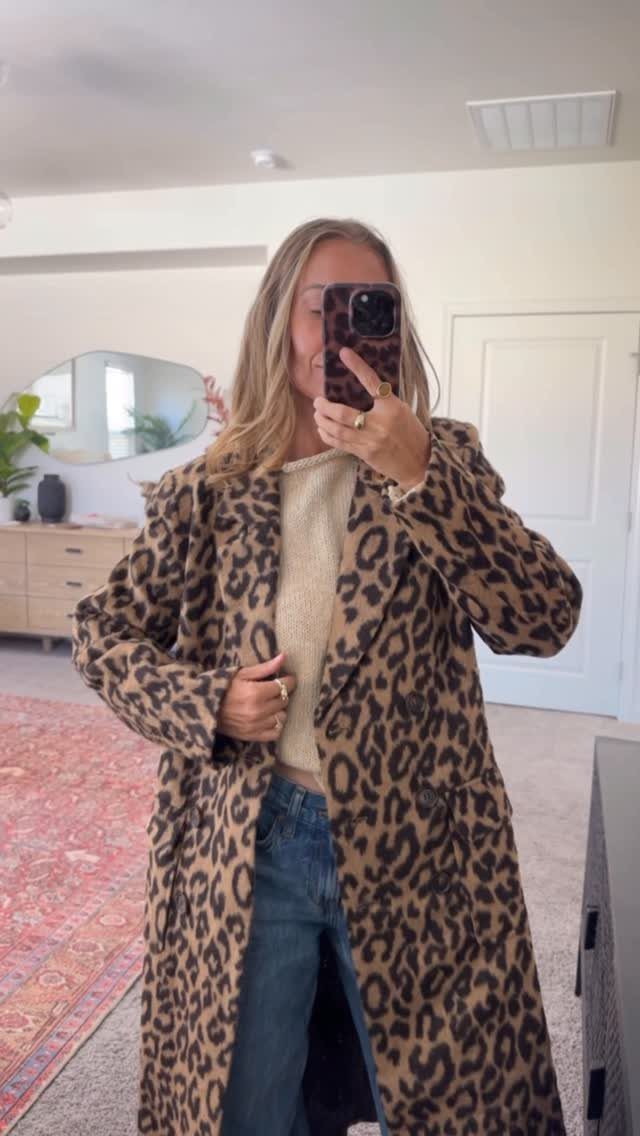
A full-length leopard coat reads as neutral once you stop treating it as a statement. A cream knit and blue jeans give exactly the right energy: ordinary clothes, extraordinary coat.
Length matters more than print here. At full length, the pattern has room to breathe; cropped versions can feel like a costume.
I would keep the base layers in cream, black, or denim and avoid competing patterns underneath. Leather boots in black or brown finish it cleanly.
This is not a first coat purchase. You need something solid for daily wear before you add leopard.
But if you are bored of your black overcoat and want one piece that does the work of jewelry, this is where I would put my money.
13. Plaid Double-Breasted Coat
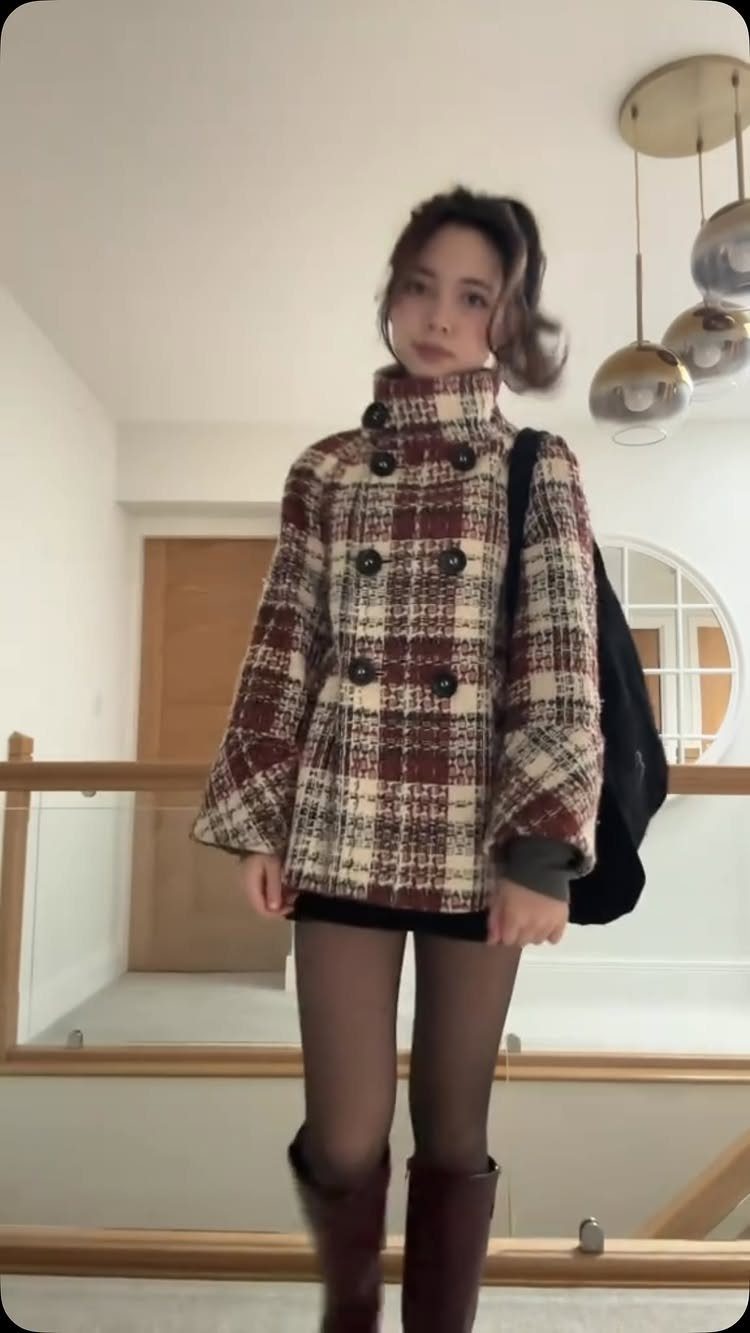
A double-breasted plaid coat in brown and cream carries enough pattern that the rest of your outfit should go quiet. A black skirt, sheer tights, and knee-high boots keep the look leggy and uncluttered.
The pattern does the visual work, so solid colors underneath are non-negotiable. I would not add a printed scarf or a bright bag; let the plaid be the one thing that talks.
The tailored cut sits well over slim skirts or narrow trousers, but bulkier layers underneath will fight the buttons and the line.
This is a coat for someone who already owns the basics and wants something that reads intentional for work events, dinners, or any winter occasion where a plain wool coat feels underdressed.
Layering Tips for Winter
A base layer in silk or merino wool sits smoother under a coat than cotton, which bunches at the sleeves.
I start with a thin turtleneck and add only one more piece between it and the shell: a cardigan, a vest, or a blazer, never two.
The coat itself counts as the third layer, so anything more turns the arms into sausage casings.
Texture mixing works when one surface reads flat and the other reads deep. Pair a quilted coat with a slick knit, or a wool overcoat with a ribbed sweater.
Two nubby textures together fight for attention and look accidental.
Proportion is the part most people skip. A long coat needs a visible break at the ankle or the knee; a cropped coat needs length below, in a skirt or wide trouser.
I check the side mirror before I leave: if the silhouette is one continuous column, something needs interrupting.
And texture-lovers take note: among this year’s winter coat trends, the assortment of wrap coats is at its very best, with highlights from Altuzarra to Max Mara.
— Vogue
Choosing the Right Coat
The shoulder seam of a winter coat should hit where your own shoulder ends, not halfway down your arm. Anything wider and the whole frame goes rectangular; anything narrower and you cannot raise your hand to hail a cab.
A nipped waist is not the only flattering line. Princess seams run vertically from the armhole to the hem and do the shaping work without a belt.
I look for these on coats I plan to wear over bulky knits, since the cut provides the shape instead of my body underneath.
Room for layering means one fist of space at the chest when the coat is buttoned. More than that and the fabric floats; less and the buttons strain.
I test this in the fitting room with the sweater I actually wear, not the thin tee I have on that day.
Accessorizing Winter Outfits
A scarf coat saves the step of matching a separate scarf to the collar, but the built-in drape works best when the neck is high enough to stay put.
A strong gust turns the flaps into sails, so I check the forecast before reaching for one.
Sunglasses in winter are not affectation. Snow throws UV back up at you, and the low winter sun sits right at eye level during the morning commute.
I keep a pair in my coat pocket from November through March.
A fur collar, real or faux, changes the whole register of a coat. The detachable kind lets one coat serve two purposes: bare lapels for the office, added texture for evening.
I attach mine after I arrive, not before, to avoid overheating on the train.
White denim in winter reads crisp against grey skies, but the hem takes salt stains in two wears. I treat mine with a spray barrier and accept that dry cleaning is part of the cost.
Color Combinations
Brown and yellow together read autumnal, but a white coat laid over both cools the combination into winter territory. Keep the warm tones in the smaller pieces and let the neutral dominate the eye.
An all-white look in winter risks laundry anxiety, though the visual warmth comes without actual bulk. Ivory knits, cream trousers, and a white coat build depth through texture when the color barely shifts.
I add one metallic, in a earring or a bag clasp, to keep it from reading bridal.
Frosty hues work against black or against themselves, not in between. A cream coat with charcoal trousers and a black boot is one statement; the same coat with ecru everything underneath is another.
I do not split the difference with navy or olive, which muddy the intent.
The oversized white coat that Ozalana featured in January sits at a particular point in the silhouette cycle: big enough to layer under, not so big that the body disappears.
I would check the sleeve length before ordering; excess fabric there turns deliberate shape into accident.
Frequently Asked Questions
What are the coat trends for 2026?
Puffer jackets, tailored coats, and bold prints are the directions showing up most. Quilted coats with patchwork color, blazer coats that borrow office tailoring, and cape coats that break the usual silhouette are the three directions worth watching.
A faux fur coat in cream also pulls toward daytime, which used to read strictly evening.
How to style winter coats?
Balance the coat against what sits underneath and what shows below the hem. A cape coat needs a short hemline and knee-high boots to keep the volume from overwhelming you.
A faux fur coat stays quiet everywhere else since the texture carries the outfit.
What to wear inside a coat in winter?
Fit matters more than bulk. A wool brown coat cut long enough for a blazer underneath stays streamlined if the base layer is close to the body.
A slim layer under faux fur or a full-length puffer keeps the silhouette from turning into a sleeping bag shape.
What are some trendy winter outfits for 2026?
Mixing classic outerwear with modern proportion play, like pairing a long coat with cropped pants or a fitted coat over wide-leg trousers, keeps the look current without chasing every trend.
A cape coat with matching mini skirt and knee-high boots reads deliberate for evening.