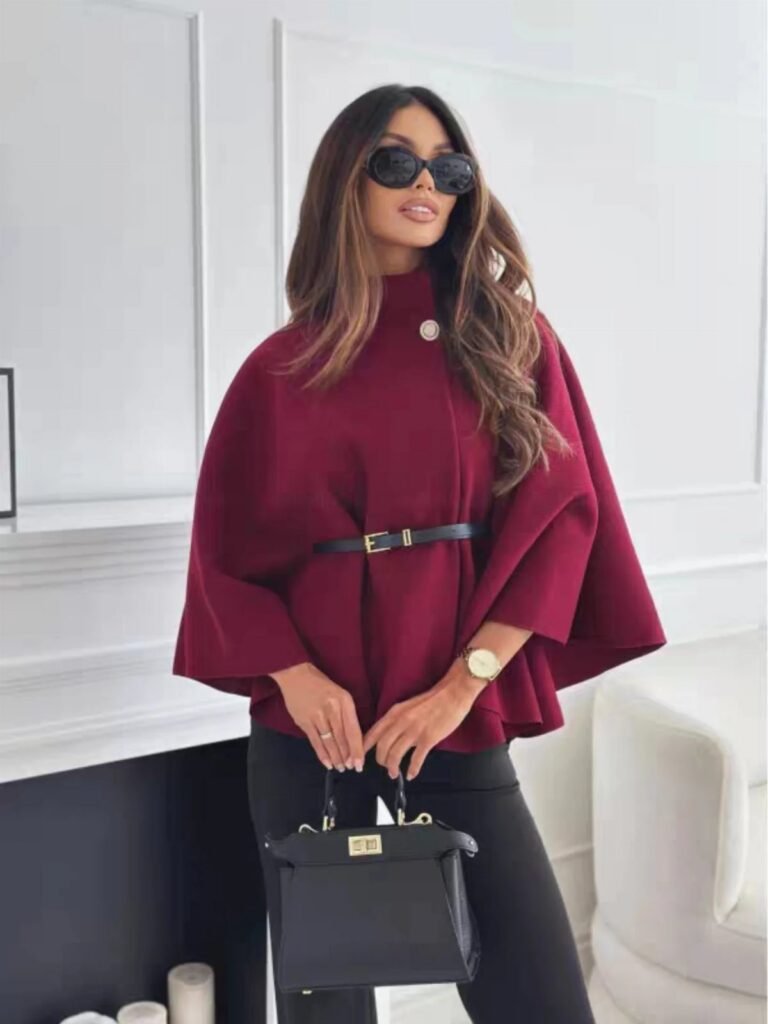
The coats below run from a forty-degree layering piece to something that handles real winter on transit platforms, and the right one depends on whether your days involve walking to work, driving to lunch, or standing in wind.
A mustard parka with fur-trimmed hood breaks the cold across your face in a way a bare hood cannot manage; a cape coat gives up that protection entirely for the trade of thick knit sleeves underneath.
1. The Classic Puffer
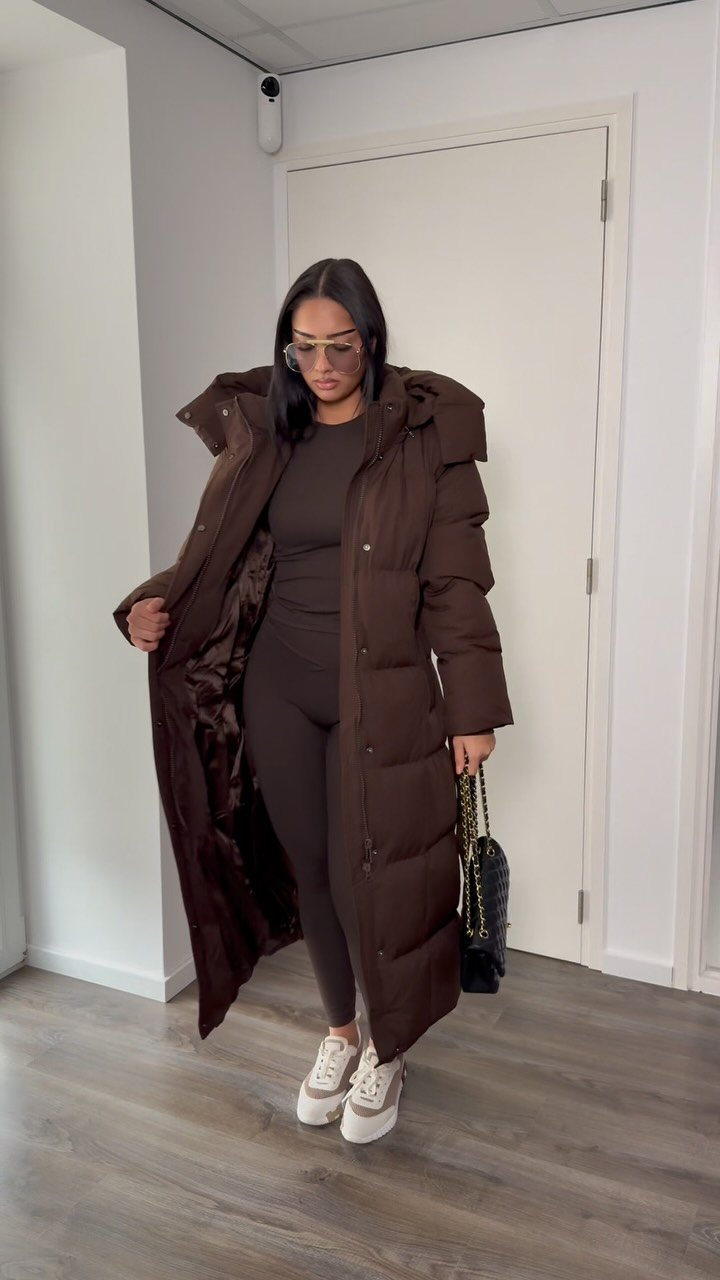
A long brown puffer reads polished rather than sporty, especially when the quilting stays narrow and the cut skims the body.
I used to buy short puffers for driving ease, but the extra length changes the silhouette entirely; it looks intentional rather than thrown on. A belted version adds waist definition if the straight column feels too bulky for your frame.
For a coat that needs to handle real cold, Mackage makes options that balance warmth with something you could wear to a casual dinner. The North Face and Bernardo also hit that middle ground between outdoor gear and everyday wear.
On milder days, layer it over a thin turtleneck; when the temperature drops, the same coat swallows a chunky knit without looking strained.
This is the coat for someone who walks to work or waits on transit platforms and refuses to look like they are camping.
2. The Parka
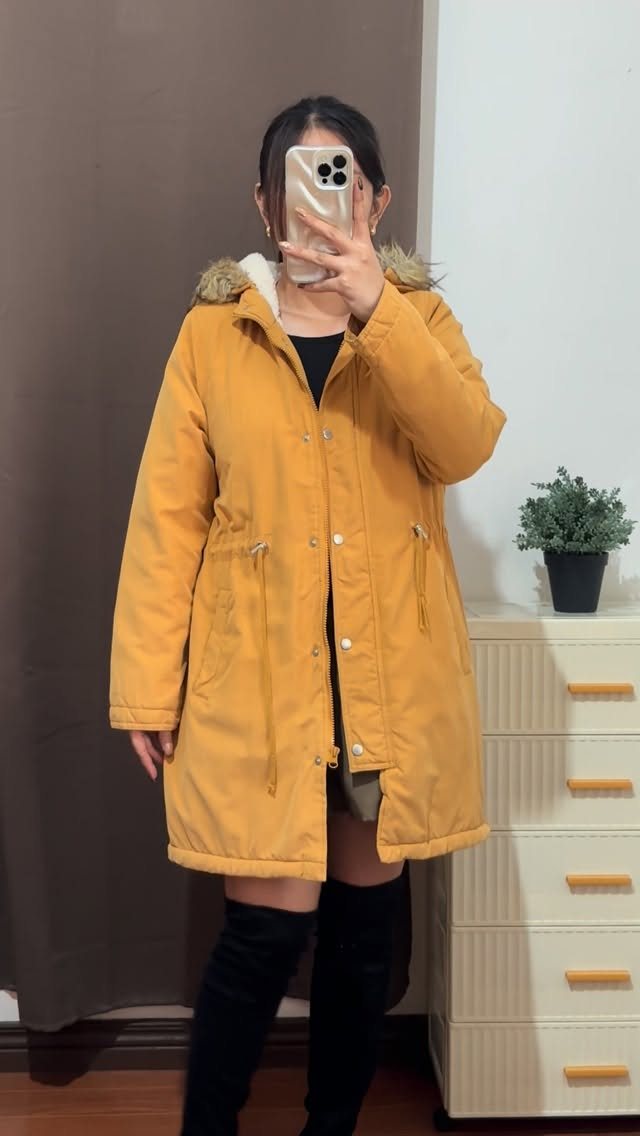
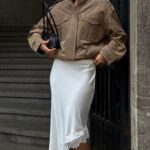
A mustard parka sits at the practical extreme of winter dressing: a hood trimmed in faux fur, a drawstring waist to keep wind out, and enough length to cover a suit or jeans equally.
That fur trim is not decorative; it breaks the wind across your face in a way a bare hood cannot manage.
Parkas and puffers often get lumped together, but the distinction matters. A parka runs longer, heavier, and more protective, built for hours outside rather than quick dashes.
The North Face Metropolis line has been my reliable choice for years, though J.Crew wins on color if you want something that does not look like expedition gear.
Reserve this for the coldest days or the longest errands. In milder climates, it overheats; in real winter, nothing else suffices.
3. Trench Coat

A trench in camel or tan works the way a white button-down does: it elevates whatever sits underneath without competing.
The belted waist keeps it from reading as a rain slicker, and the length lets it layer over a blazer for the office or a sweater and jeans on Saturday.
The classic color is the safe buy, but blush pink or olive drab can anchor a wardrobe just as well if those shades already dominate your closet.
ASOS and similar retailers have made this an accessible piece rather than an investment-only purchase, though a Burberry-level trench will outlast a decade of trends.
For travel, this is the coat I pack; it weighs nothing, resists wrinkles, and covers a range of temperatures once you land. It suits the reader who needs one piece to bridge three seasons and multiple dress codes.
4. The Wrap Coat
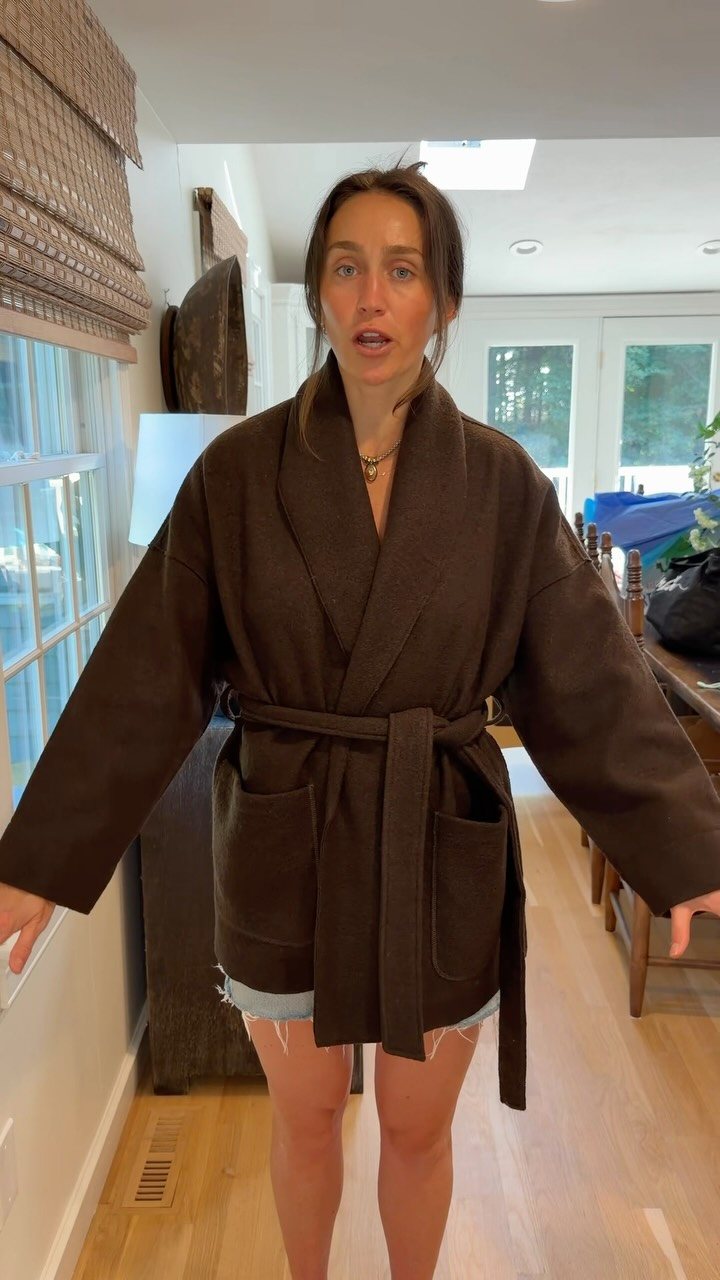
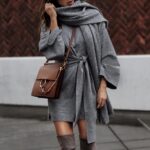
A wrap coat uses its own fabric belt to create shape where bulk usually hides it. No buttons means no gaping or pulling across the hips; the coat adjusts to your body rather than demanding the reverse.
Toteme and similar brands have refined this into a silhouette that works over a slip dress for dinner or denim shorts and boots for errands.
The wide sleeves need consideration; they swallow narrow handbag straps and can tangle in car doors. I own several in neutral wool and wear them from October through April, swapping the underlayers beneath.
This suits anyone whose winter wardrobe leans toward the feminine or who wants waist definition without the stiffness of a tailored coat. Wind protection is the weakness; the wrap can gape open in a gust.
5. The Double-Breasted Coat
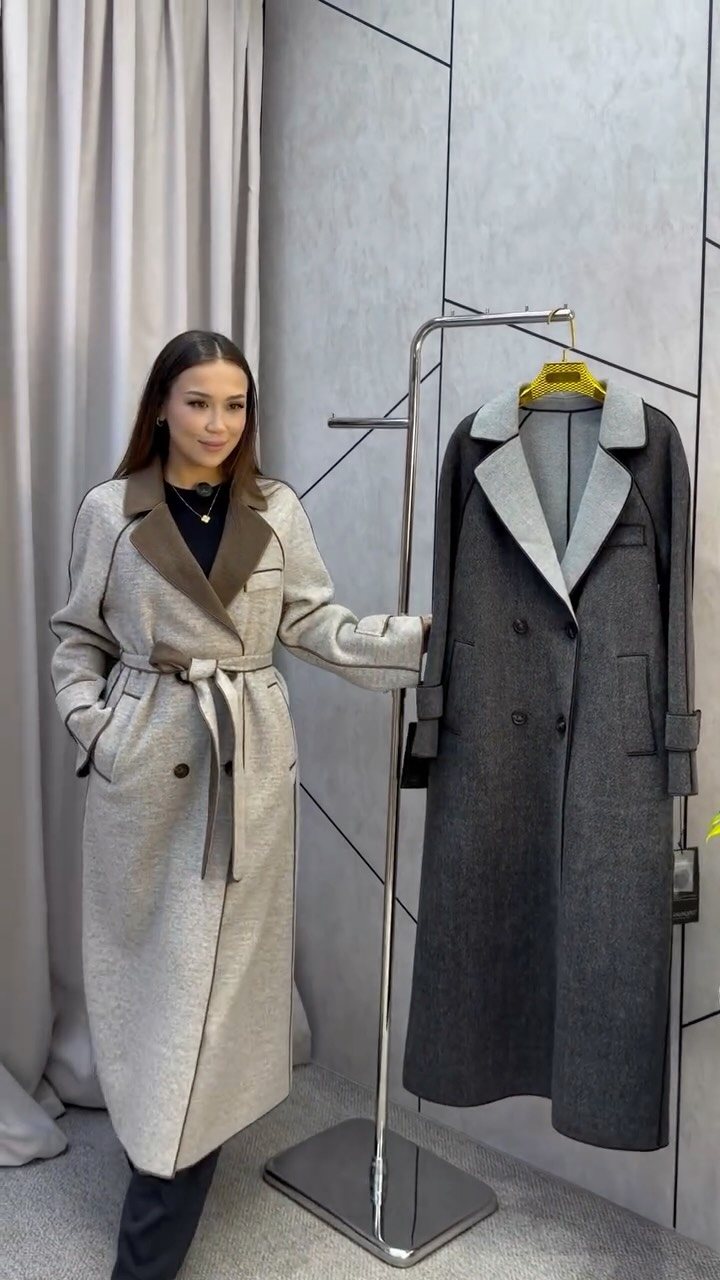
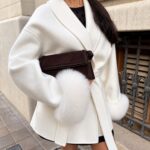
Double-breasted coats carry the structure of military tailoring into civilian dressing.
The overlapping front panels add warmth at the chest without the quilted bulk of a puffer, and the decorative buttons draw the eye upward, which helps if you are petite.
J.Crew makes the version I return to, in both gray and camel; the cut is sharp enough for client meetings but not so formal that it looks wrong with sneakers.
Contrast lapel detail separates a coat like this from plainer single-breasted options.
Wear this when you need to look dressed but do not want to think hard. It is less warm than a parka, less casual than a puffer, and more present than a trench.
The ideal reader owns one good blazer and wants that same effect in outerwear.
6. The Cape Coat
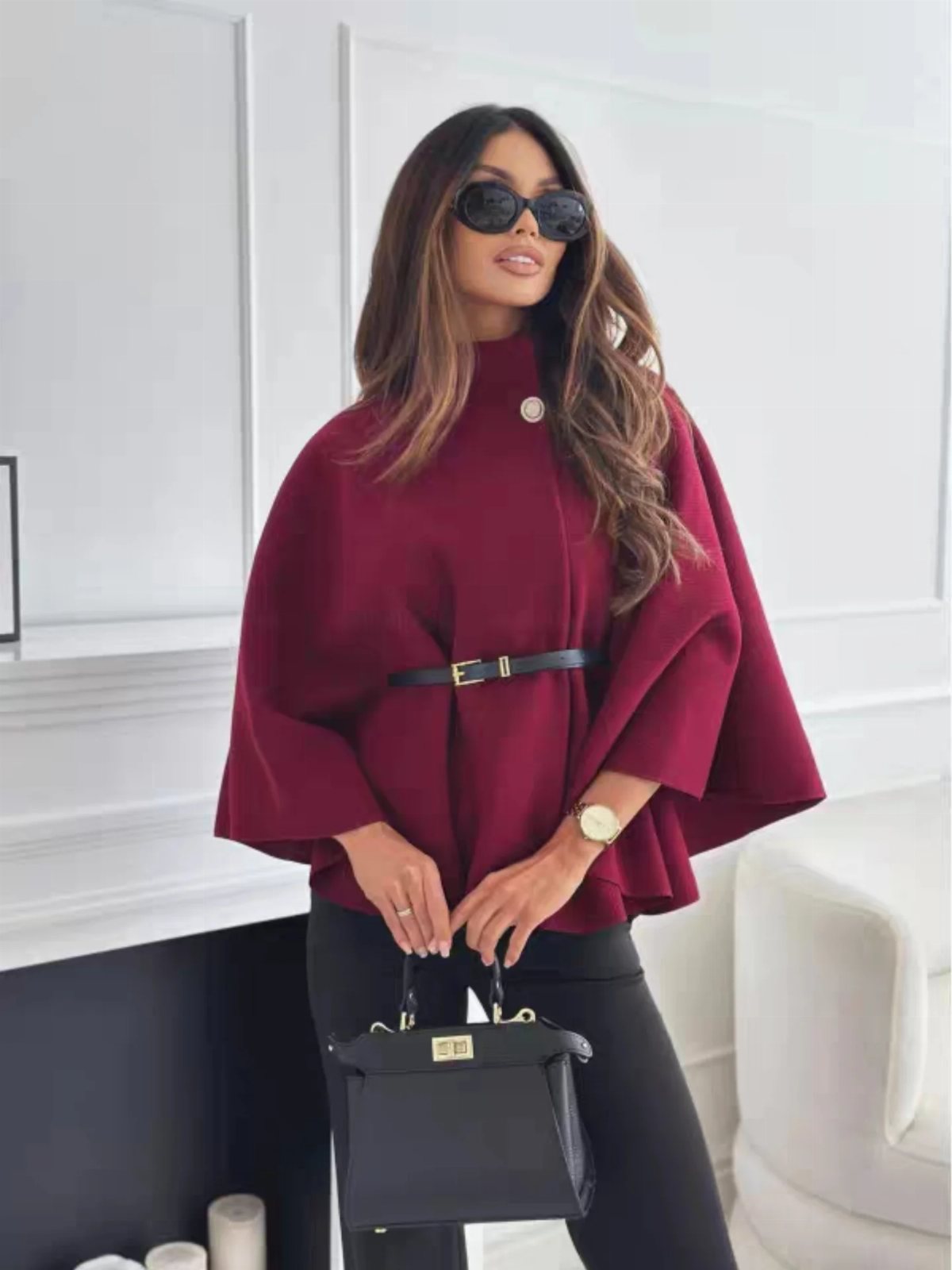
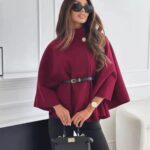
A cape coat functions like wearing a very deliberate blanket: a burgundy version belts at the waist to keep the volume from overwhelming the frame, and the absence of sleeves means you can layer thick knits underneath without arm constriction.
Emmanuelle’s styling, with tailored trousers and a structured bag, shows how to ground the drama so it does not read costume.
I reach for mine on days between forty and fifty-five degrees, when a full coat overheats but leaving the house bare-armed feels wrong.
Jeans or a mid-length dress work equally well beneath; the proportion to avoid is anything too short or too long below, which fights the hemline.
This is for the reader bored by standard coat shapes and willing to trade some practicality, the sleeves especially, for distinction. Do not choose it as your only winter coat; choose it as the interesting one.
7. Faux Fur Coat

A faux fur coat reads as effort the moment you put it on.
The texture does the styling for you, which makes it a solid choice for someone who wants one piece that carries both a grocery run and a dinner reservation.
A brown faux fur coat works with denim and pointed heels, and that pairing is worth copying: the casual base keeps the fur from looking like costume.
Leopard print sits in the same category if you want more pattern, though a cream or white base goes with more than the traditional tan-and-black version.
One is enough. Pick the color you’ll actually grab, not the one that photographs best.
8. Relaxed Go-To Coat
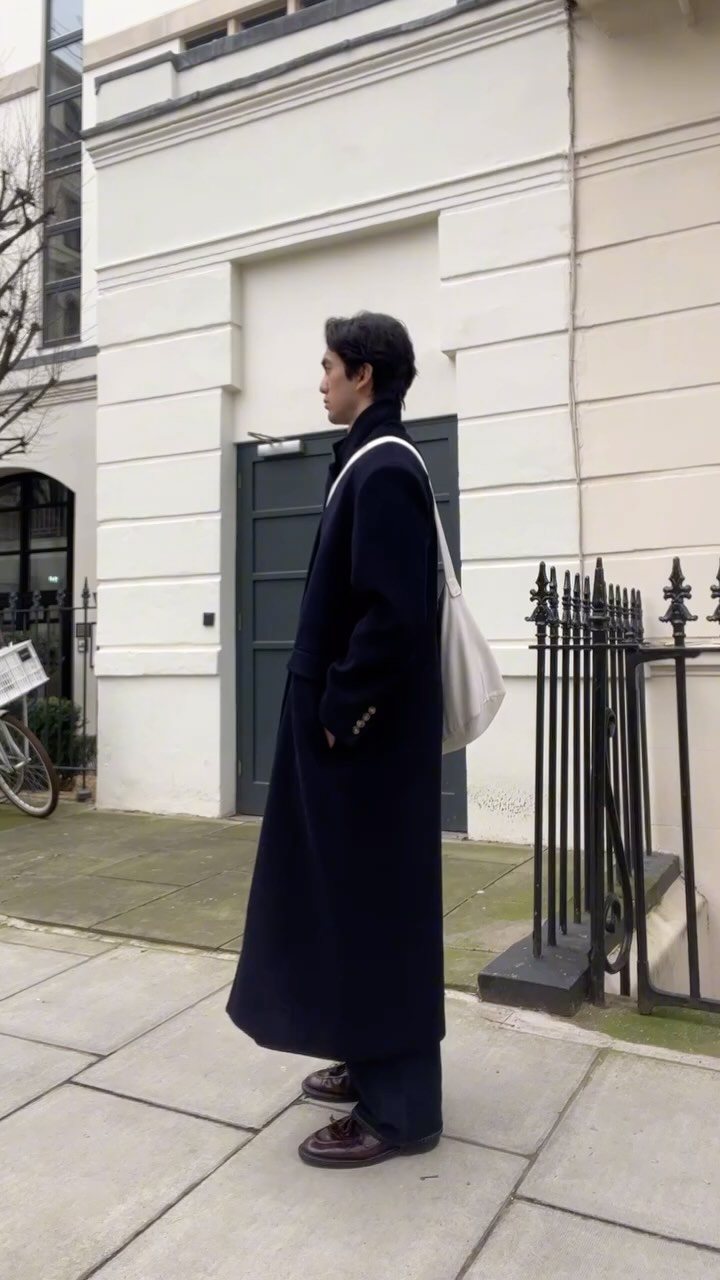
The coat you reach for when the destination is an office, a lunch table, or a parking spot three blocks away needs a specific length: past the hip, above the knee.
Shorter than that reads as outerwear for play; longer turns every errand into an occasion.
A navy relaxed coat hits that middle ground. It is not padded like a puffer, not structured like a dress coat, which means it works for the walk between car and door without making you sweat indoors.
A scarf adds color if the coat itself is quiet; a bold necklace dresses up the same shell underneath.
Best for climates where winter means forty degrees, not four.
Choosing the Right Coat
Fabric matters more than silhouette for longevity. A coat in 100% wool, a cashmere blend, or responsibly sourced down keeps its shape through seasons of wear; cheaper mixes pill at the cuffs and lose body at the shoulders within two winters.
Black, navy, camel, ivory, or gray earns its cost per wear. A red coat photographs well but sits in the closet; make the neutral your first purchase, then add color once the foundation holds.
The fit question splits on climate and body. A tailored coat with a nipped waist and structured shoulders avoids bulk, which helps if you carry weight through your middle.
An oversized cut works better for layering thick knits underneath. Try the coat on over your heaviest sweater before you buy.
Function follows zip code. A light trench handles California winters; the Northeast needs real down fill.
Buy for the coldest day you actually walk through, not the average.
Investing in Winter Coats
A good winter coat costs enough that replacing it stings, but the math favors buying once.
A coat that costs more but holds up through years of heavy wear runs cheaper in the end than one that looks tired after a season or two.
The materials that last, wool and cashmere blends and quality down, cost more up front because they perform longer. They also maintain resale value if you tire of the cut.
My own rule: one investment coat in a neutral, bought in late February when last season’s stock goes on deep discount.
Then a second piece, perhaps the fun color or the experimental shape, only after the first proves its worth through a full winter.
The variety helps. A puffer for the brutal days, a tailored wool for everything else, and a trench for the in-between stretches a wardrobe without stretching the budget on any single item.
Layering with Winter Coats
Layering fails when the coat was bought to fit over a thin blouse. Before you commit, button the coat over your thickest sweater and raise your arms; if the back pulls, size up or choose a different cut.
Silk or fine wool sits flat under a tailored collar; a bulky knit needs a coat with enough room that the neck does not strain. I keep one narrow scarf for fitted coats and one oversized for my relaxed shapes.
The wrap coat and the cape demand planning. Their open fronts let wind through, so a warm base layer matters more than with a buttoned style.
A thin puffer vest underneath, hidden by the outer shape, solves this without adding visible bulk.
For the double-breasted or any fitted style, stick to thin turtlenecks and sleek knits. A chunky cardigan underneath distorts the line you paid for.
Frequently Asked Questions
What winter coats are in style now?
Wrap coats, double-breasted wool coats, and puffer jackets are the shapes that keep showing up.
A wrap coat with its own fabric belt creates waist definition without buttons that gap; a double-breasted coat carries military tailoring into everyday wear and draws the eye upward; a long brown puffer with narrow quilting reads polished rather than sporty.
Versions from The North Face, Mackage, and J.Crew manage to keep you warm without making you look like you just came off a ski lift.
What are the coat trends for 2026?
Puffer jackets, cape coats, and leopard-print or patterned faux fur are the directions worth noting. One faux fur coat in a color you’ll actually grab, not just photograph, covers everything from grocery runs to dinner reservations.
What are some trendy winter outfits for 2026?
A brown faux fur coat with denim and pointed heels pairs casual base with dressed-up texture, and that specific combination keeps the fur from reading costume.
A cape coat over a mid-length dress with a structured bag grounds the drama, while a navy relaxed coat past the hip but above the knee works for office or lunch with a scarf for color or a bold necklace for dressiness.
The rule is proportion: avoid anything too short or too long beneath a cape, and let the coat’s own texture or structure do the styling work.