The coat dresses ahead run from a naval-sharp navy wool-blend to a pink bouclé with enough texture to read as the outfit itself, and the question is whether you will keep it on at your desk or check it at the door.
Thick wool with enough body to keep an A-line crisp gets you through a Boston February without adding bulk; thinner weaves end up looking like a coat that wishes it were a dress.
The six below sort by how much statement the outerwear makes, from cream structured minimalism to white heavy fabric with silver floral embroidery at the hem.
1. Cream Midi-length Structured Coat Dress

A cream structured coat dress in heavy wool reads as outerwear that happens to close like a dress, which is exactly the winter coat dress idea at its cleanest.
The high collar and button front give it coat logic; the flared A-line skirt keeps it from looking like you forgot your trousers.
Gold embroidery or a leather belt upgrades it for an evening out without needing to shed layers at the door.
Check that the fabric weight matches your climate. A heavy smooth wool that holds the A-line on its own works in Northeast winters; lighter versions need layering and read more as indoor dresses with ambitions.
Best for: someone who wants one piece that carries from a daytime appointment to dinner without a change of shoes.
2. Navy Blue Wool-blend Midi Coat Dress

Navy blue with cream trim and gold buttons carries a naval formality that winter outerwear rarely attempts.
The wool-blend construction matters here. Pure wool holds shape longer but costs more and demands dry cleaning; a blend softens the price and the hand-feel, though it pills faster under a seatbelt.
Check the button stance: double-breasted cuts add bulk at the hip that a single-breasted version avoids.
Best for: office holiday events, or any winter gathering where you will keep the coat on indoors.
3. Dark Green Wool Flared Coat Dress

Dark green tweed with gold buttons and a cinched waist is the most overtly feminine shape here, and the one that most needs the black turtleneck and tights underneath to ground it.
Without that contrast, the flared skirt and structured lapels can read costume; with it, the look becomes polished rather than performative.
The waist cinch is the variable. Some versions belt, some seam it in.
A belt gives you room to adjust; seaming gives a cleaner line but demands the fit be right from the purchase. Sheer tights keep the leg line light; opaque ones push it toward school-uniform territory.
Best for: hourglass and pear shapes where waist definition is the goal, or anyone whose winter social life runs to daytime events with some formality.
4. Pink Textured Boucle Coat Dress

Pink boucle with faux fur collar and cuffs is the statement piece of the group, and the one that asks most clearly: do you want to be noticed?
The texture does half the work; a matching beret completes the effect, though a bare head tones it down for daily wear.
Faux fur trim adds warmth at the throat and wrist, the two places a coat dress most often fails. The cuffs in particular matter if you will wear this without gloves.
Boucle sheds and catches; check the weave density before buying, as loose knits pill within a season.
Best for: someone whose winter wardrobe runs dark and needs one piece that photographs well for events, or anyone who genuinely enjoys the full coordinated look.
5. Long Pale Yellow Wool Coat

Pale yellow in winter reads as deliberate optimism, the color choice of someone who refuses to disappear into the season’s usual navy and charcoal. The wide lapels and double-breasted gold buttons add a princess-line reference that flatters without clinging.
Pearl buttons or gold ones change the register. Pearls soften the military edge of the double-breasting; gold sharpens it.
The flared skirt needs room to move; check the hem width against your usual stride, as a too-narrow flare turns into a hobble on stairs.
Best for: fair complexions where cream washes out, or anyone building a winter wardrobe around one light piece to break up darker coats.
6. White Heavy Fabric Coat

A white heavy fabric coat with cream faux fur collar and cuffs sits at the outer edge of what a coat dress can claim.
The belted waist and flared skirt keep it in the category, but the fur scale pushes it toward full statement outerwear.
Silver floral embroidery on the skirt, where present, is the detail that decides whether this reads vintage-inspired or merely vintage.
Subtle embroidery at the hem adds texture; dense embroidery at the collar and cuffs competes with the fur and usually loses.
The oversized cuffs need checking against your glove situation: they swallow slim gloves and demand gauntlet styles or bare hands.
Best for: formal winter occasions where the coat stays on, or anyone whose climate demands maximum throat coverage and enjoys the drama of it.
Winter Outfit Inspiration
A coat dress needs the right accessories to finish the job, not compete with it. Pearl buttons on a cream wool A-line call for slim leather gloves, not bulky knit ones that fight the line.
Tulle under the skirt, where the structure allows it, adds volume without weight; the hem needs to clear your boot tops or the silhouette collapses into bunching.
How to Wear a Coat Dress
Layering starts at the neck.
Boot height matters with midi lengths. Black leather ankle boots work with the flared skirt if the hem clears them; anything longer and the eye stutters at the break.
Gloves should relate to the hardware. Gold buttons on navy or dark green call for gold-tone accessories; pearl buttons want something quieter.
Statement white coats with oversized cuffs leave little room at the wrist; gauntlet gloves or bare hands are the practical choices.
Best Coats for Winter Dresses
Wool blend versus pure wool is a trade I have made both ways.
Structured silhouettes need fabric weight to back them up.
Button stance changes the whole fit.
Vintage Coat Dress Styles
The military reference runs through these designs more than current fashion usually attempts.
Gold buttons, high collars, and structured lapels on the dark green piece carry a formality that needs the black turtleneck and boots underneath to keep it wearable today.
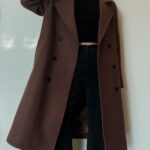
The brown textured wool with wide collar and full A-line skirt pulls from mid-century outerwear shapes. The cinch at the waist, whether by belt or seaming, is the detail that separates vintage-inspired from merely vintage.
Cream wool with faux fur trim and pearl bows walks the same line. The cape attachment and hooded option are the details that decide whether this reads as reference or reproduction.
Frequently Asked Questions
What are those coat dresses called?
Coat dresses go by several names depending on their construction. Outer dresses and winter coat dresses are common terms.
A true coat dress closes like a dress but reads as outerwear, with coat logic in the collar, buttons, and fabric weight rather than dress styling.
How do you wear a coat dress?
A coat dress carries its own outfit.
A black turtleneck and opaque tights underneath keep the silhouette clean when the coat dress itself runs toward ruffles or a cinched waist; swap in sheer hose if you want the look to feel less heavy from the knee down.
The coat stays on indoors at formal events, so check that the button stance and hem width work for sitting and standing.
What kind of coats are best to wear with dresses in winter?
Structured wool blends and heavy smooth wools hold shape and warmth together. The blend softens price and hand-feel but pills faster under a seatbelt; pure wool lasts longer and demands dry cleaning.
A flared A-line skirt that moves on its own needs enough hem width for your stride, and the collar and cuff coverage matter more than the length for actual warmth.
How to wear a dress in cold winter?
Layering starts at the skin. A black turtleneck and tights underneath a coat dress add warmth without adding visible bulk.
The collar and sleeve openings are where cold air actually gets in on these styles, so a wrap of faux fur at the neck or a cuff that extends past the coat sleeve fixes the gap without adding bulk through the middle.
Check the fabric weight against your climate; lighter versions need more layering and read as indoor pieces with outerwear ambitions.